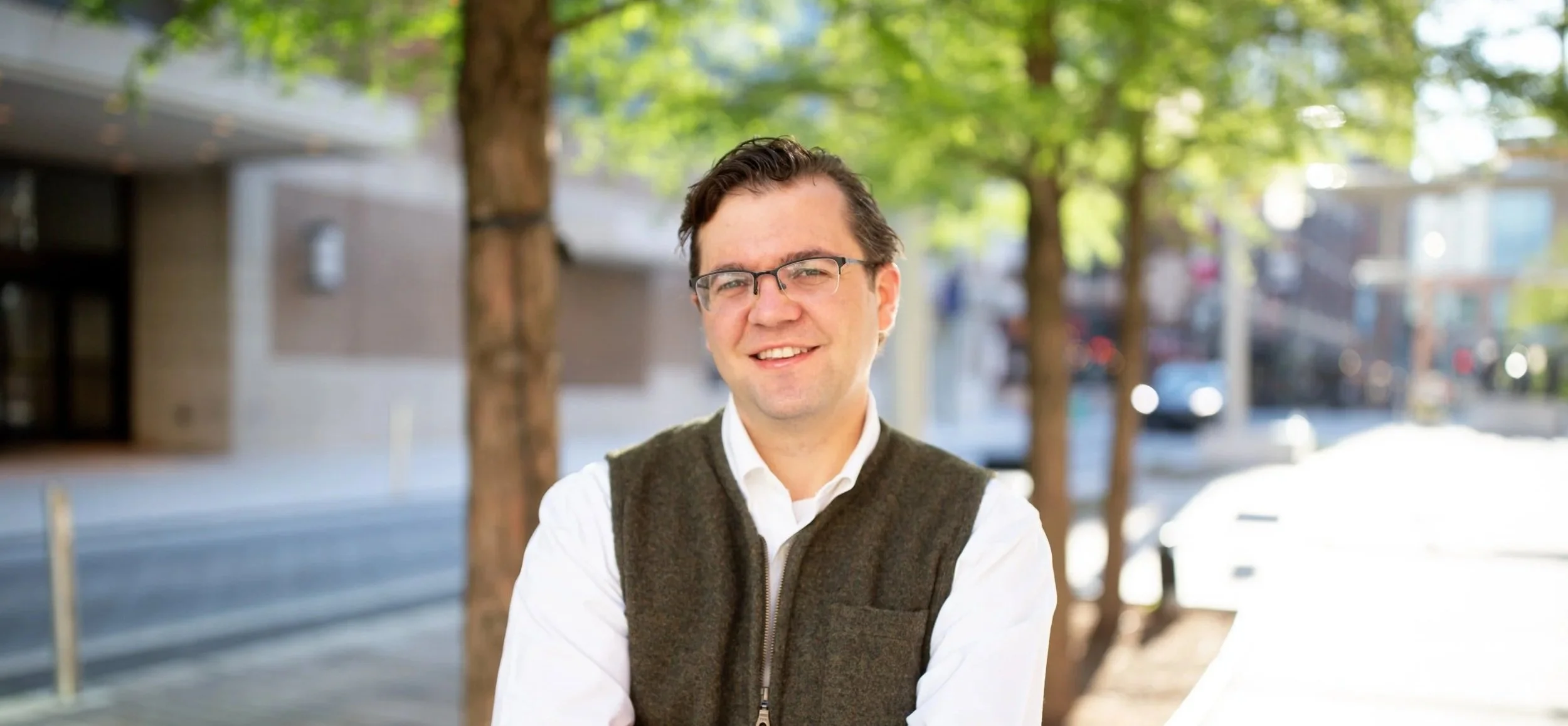
Five Minutes with Aaron Kowalski
We sat down with Associate Principal and Planner, Aaron Kowalski, to learn about what inspires him and his unique planning approach.
What drives your approach to planning?
Early in my career, a mentor told me “planners are psychiatrists for communities.” That stuck. At MKSK, that idea shows up in how we work, not just what we produce. We take the time to understand what’s really going on beneath the surface, then identify the moves that unlock a place’s full potential.
What keeps me going are communities that are ready to act. Sometimes they just need a nudge. Sometimes they need a vision and a roadmap. Either way, I’m motivated by helping people get from “we should” to “we did.”
How did you get here?
I started in landscape architecture with undergraduate and graduate degrees from Ball State University and found my way into planning during the 2008 recession, when options were limited. A professor once told me landscape architects make great planners. Debatable, but I ran with it.
Graduate school in urban design sharpened my thinking around design-based planning, while my first job in a growing suburb threw me straight into the deep end. I was the first planner. That meant everything: comprehensive planning, parks and trails, grant writing, and plenty of public meetings.
Private practice came next, where I learned from tough mentors who pushed me hard, and still push me hard. I always take constructive criticism to heart – something I mentor others to do also. It paid off. That foundation, equal parts design, policy, and real-world implementation, still shapes how I work today.
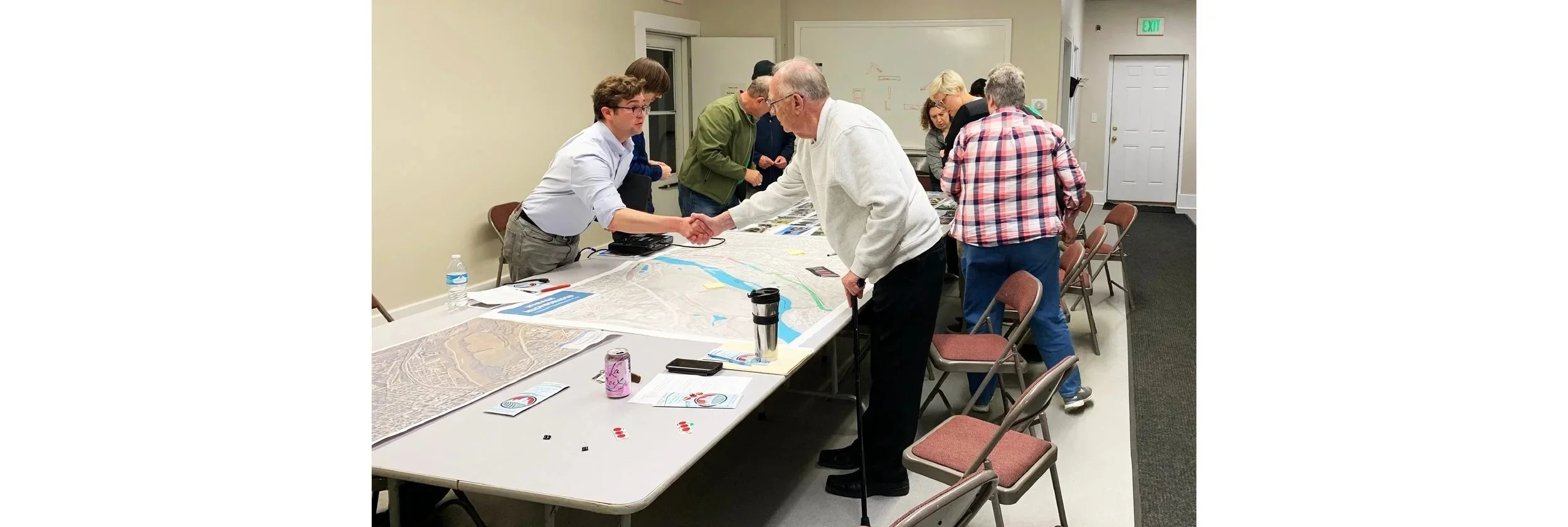
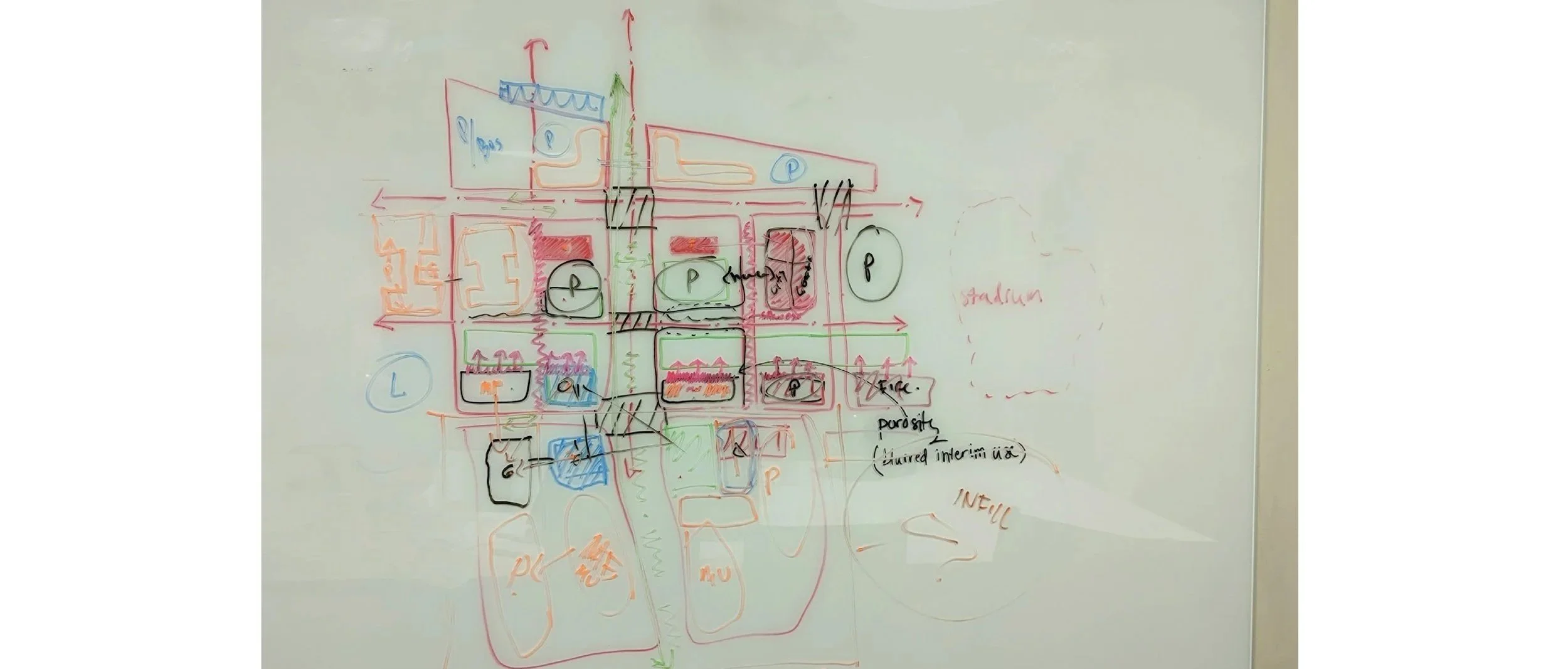
Above: Development planning process
What are you focused on now—and why does it matter?
Fifteen years in, now as an Associate Principal, my work centers on transit- and trail-oriented development, redevelopment, strategic planning, and finding the funding to make projects real. Lately, that means leaning deep into grant writing and implementation. I also have been hanging out with a lot of economists and learning what they do. Ideas are great but seeing them built is better.
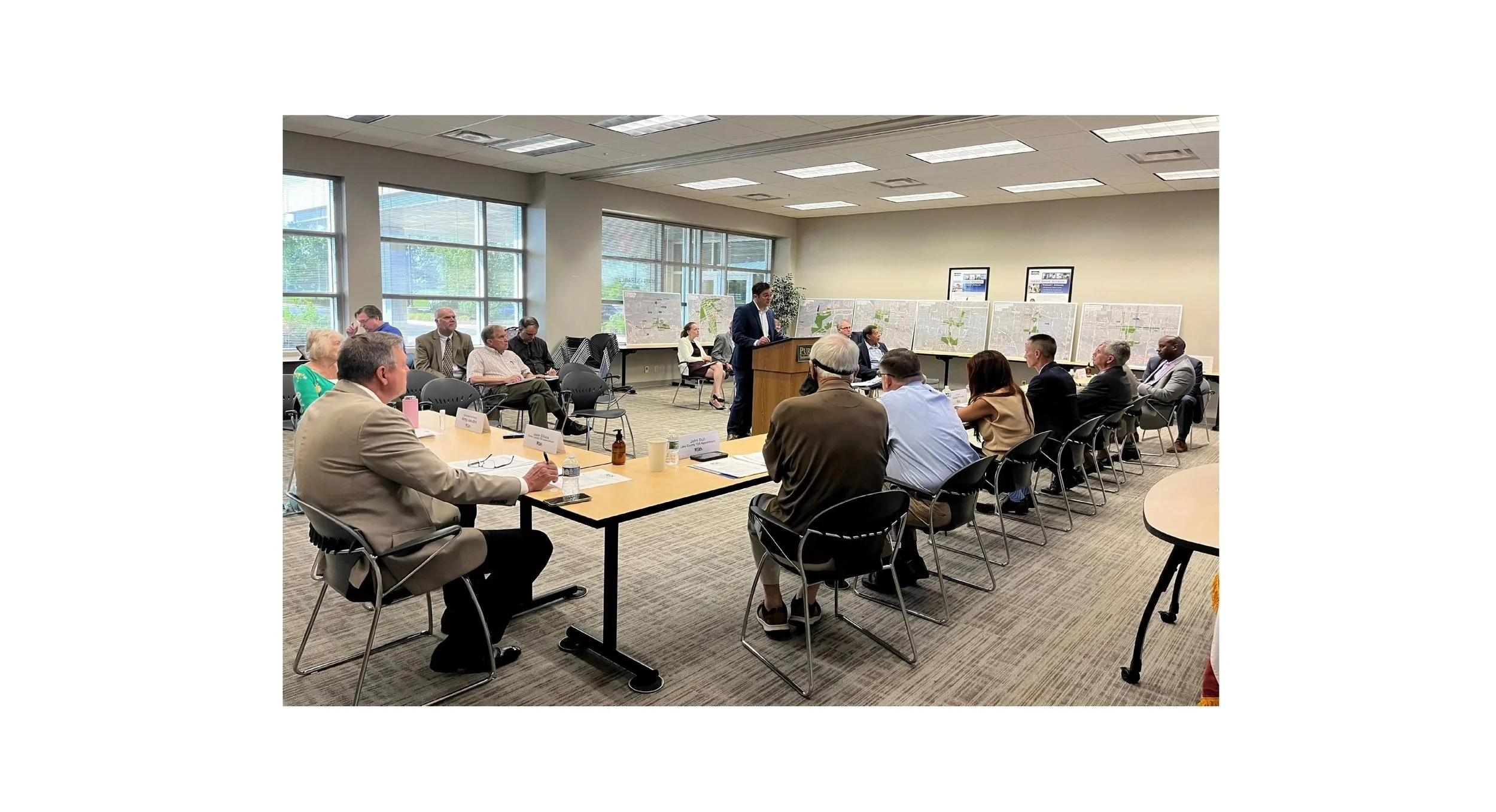
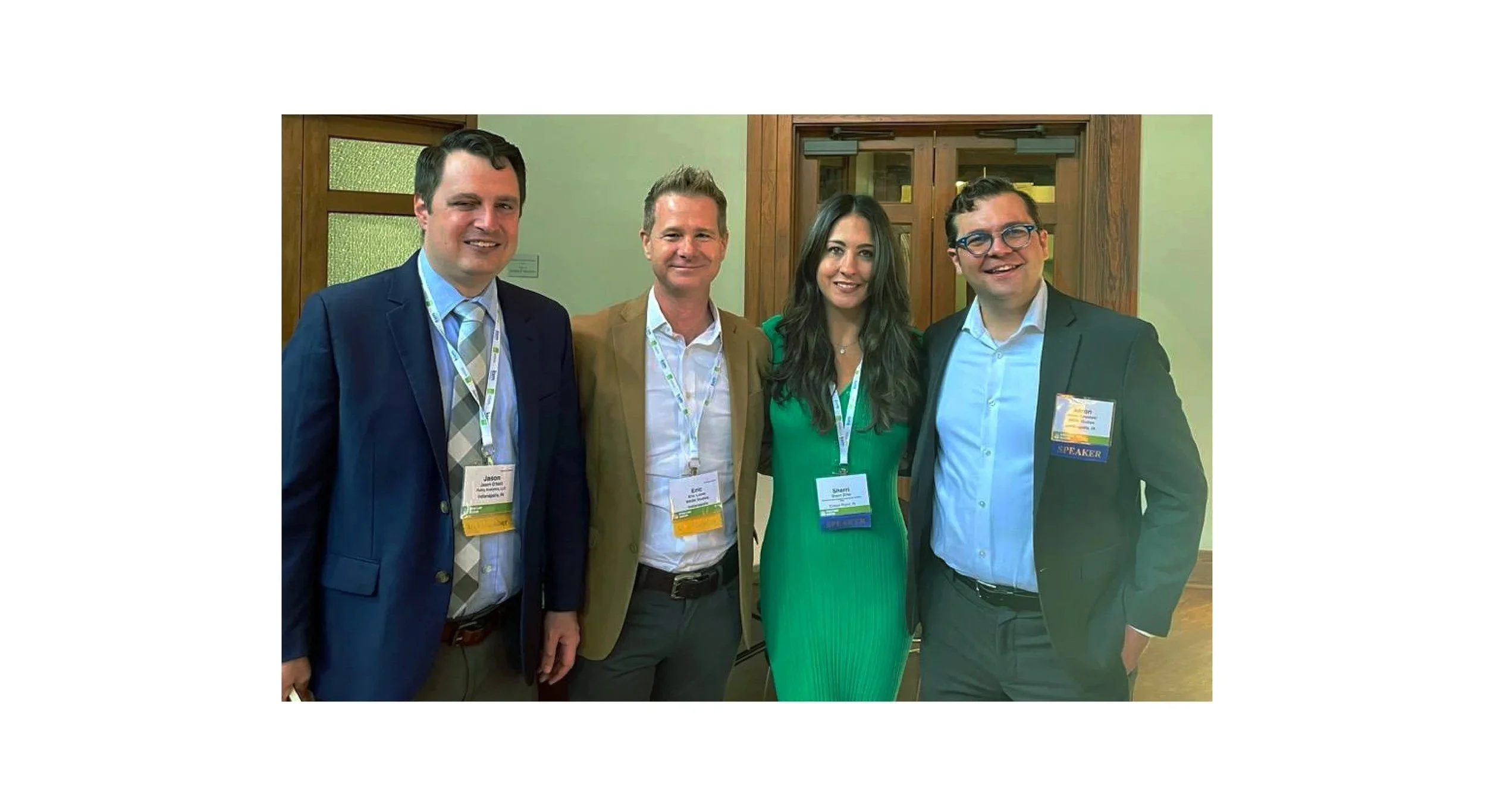
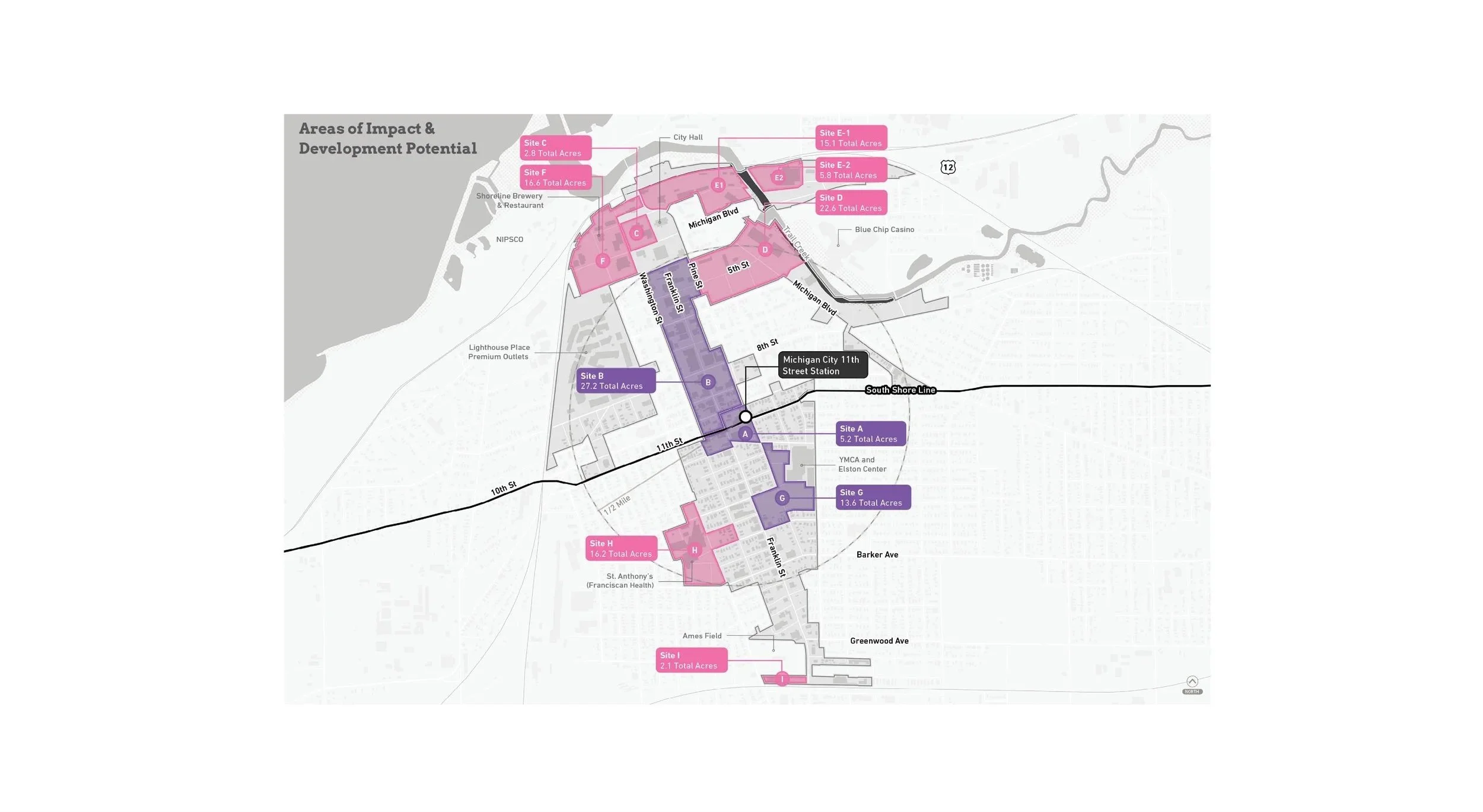
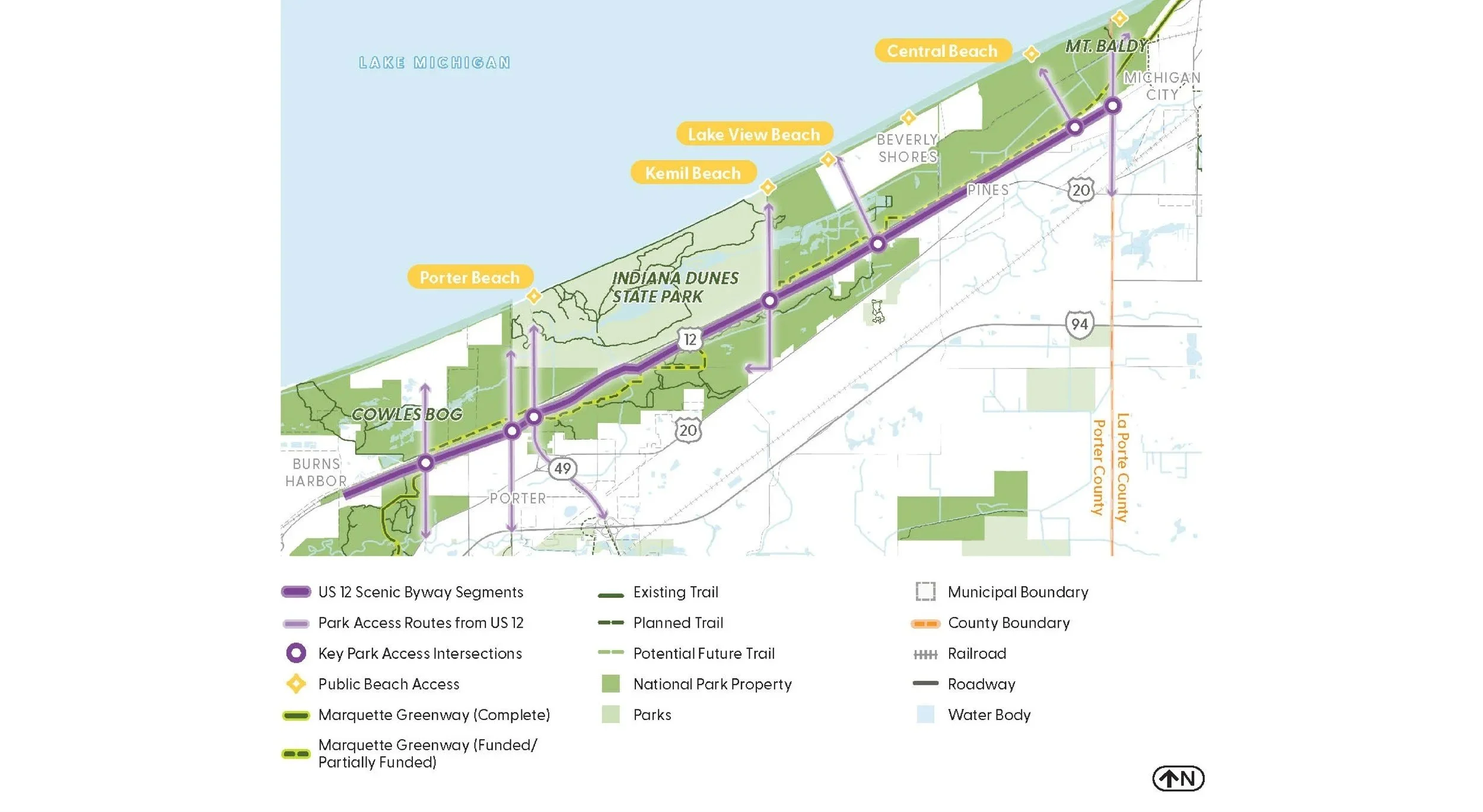
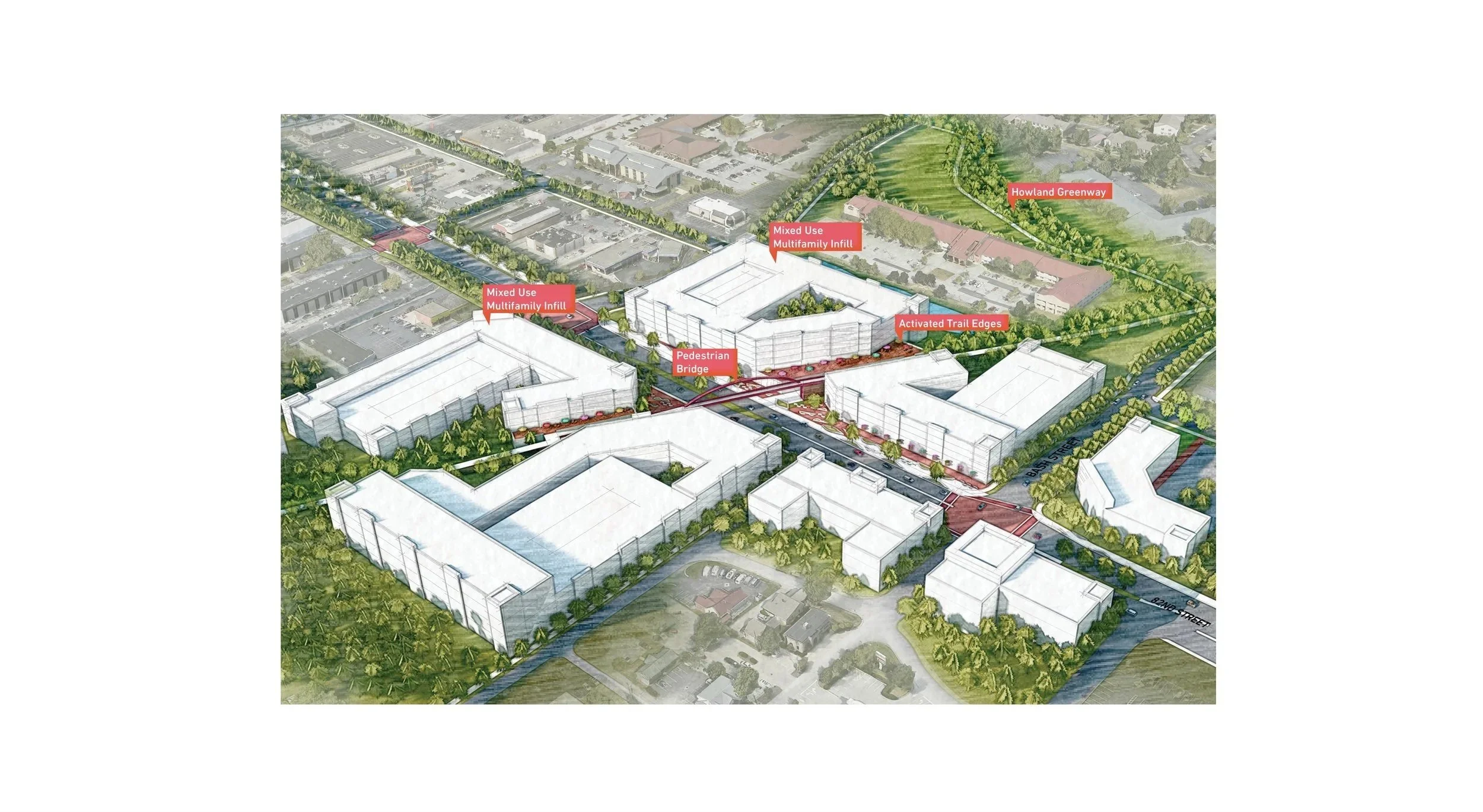
In order: 1.) Northwest Indiana RDA Board - District Boundaries Hearing 2.) Left to right: Eric Lucas, Principal & CEO, MKSK; Sherri Ziller, President & CEO, Northwest Indiana RDA; Aaron Kowalski, Associate Principal, MKSK 3.) TDD Planning for Michigan City, IN 4.) RDA TDD Planning for US-12 Scenic Byway 5.) Castleton Strategic Revitalization Plan & Nickle Plate Trail Study for the City of Indianapolis
And personally, I’ve come full circle. I live in Indianapolis, but I’m deeply engaged in Northwest Indiana, where I grew up. Planning has always been part of my life. My dad still serves on our local plan commission and board of zoning, and my family’s roots in the Region go back generations to the 1800s, when one of my great-great-grandfathers founded the Town of Porter, formerly called Hageman. I even have the original plat. I remember riding the South Shore Line into Chicago as a teenager to visit the Art Institute of Chicago, experience the Dan Kiley landscape, and explore the Garfield Park Conservatory, including the remarkable fern room designed by Jens Jensen. Back home, places like Indiana Dunes National Park reflect that same legacy, preserved through the work of Jensen and the Prairie Club. I’m also struck by the original plat for Beverly Shores, which once proposed roads through the heart of one of the country’s largest migratory bird sanctuaries. That tension is a call to action for what I do. I once read an after-study to the Burnham Plan of Chicago that referred to Northwest Indiana as the “sacrificial lamb of Chicago.” That still sticks with me.
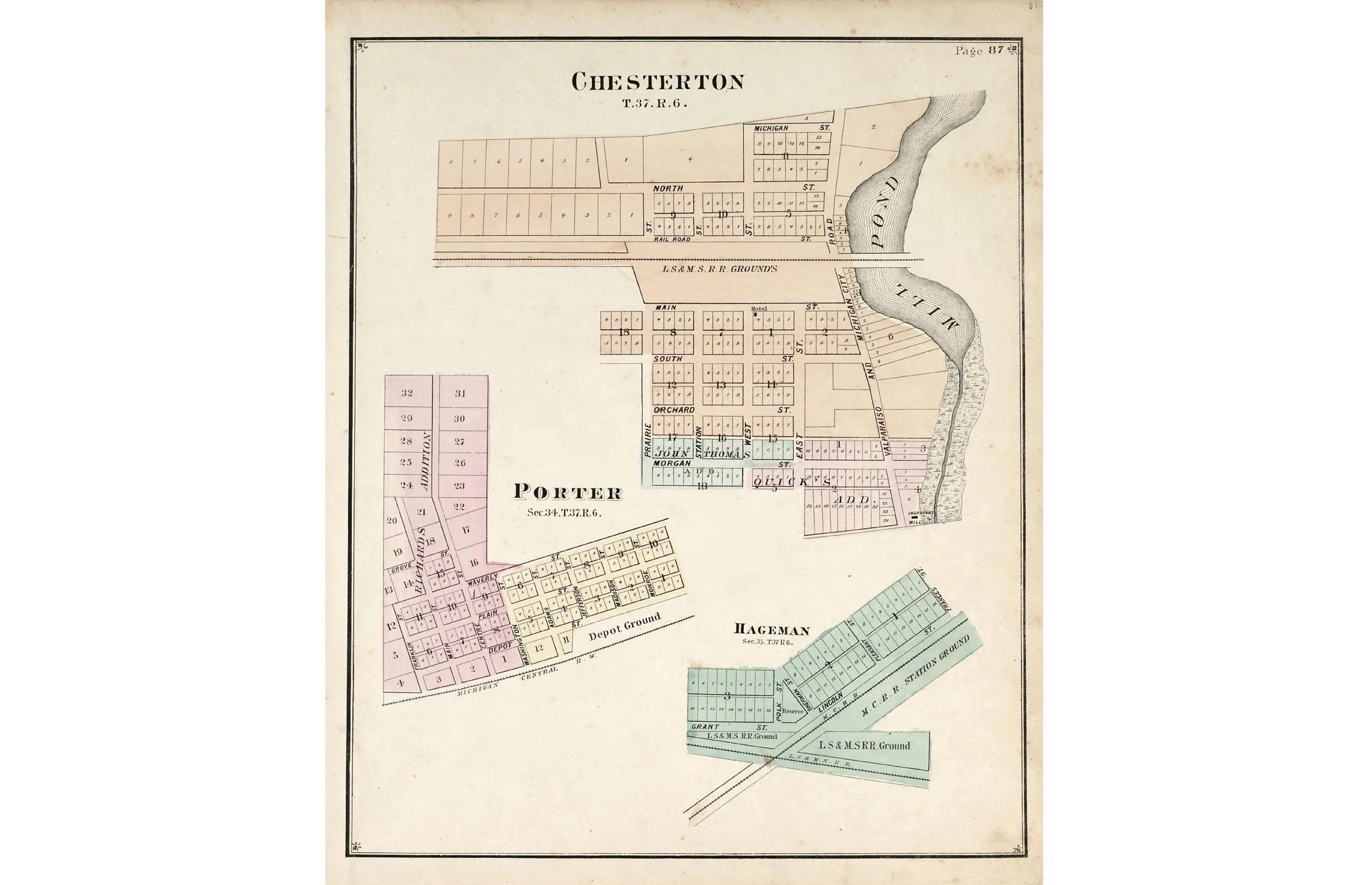
Above: Hageman Plat
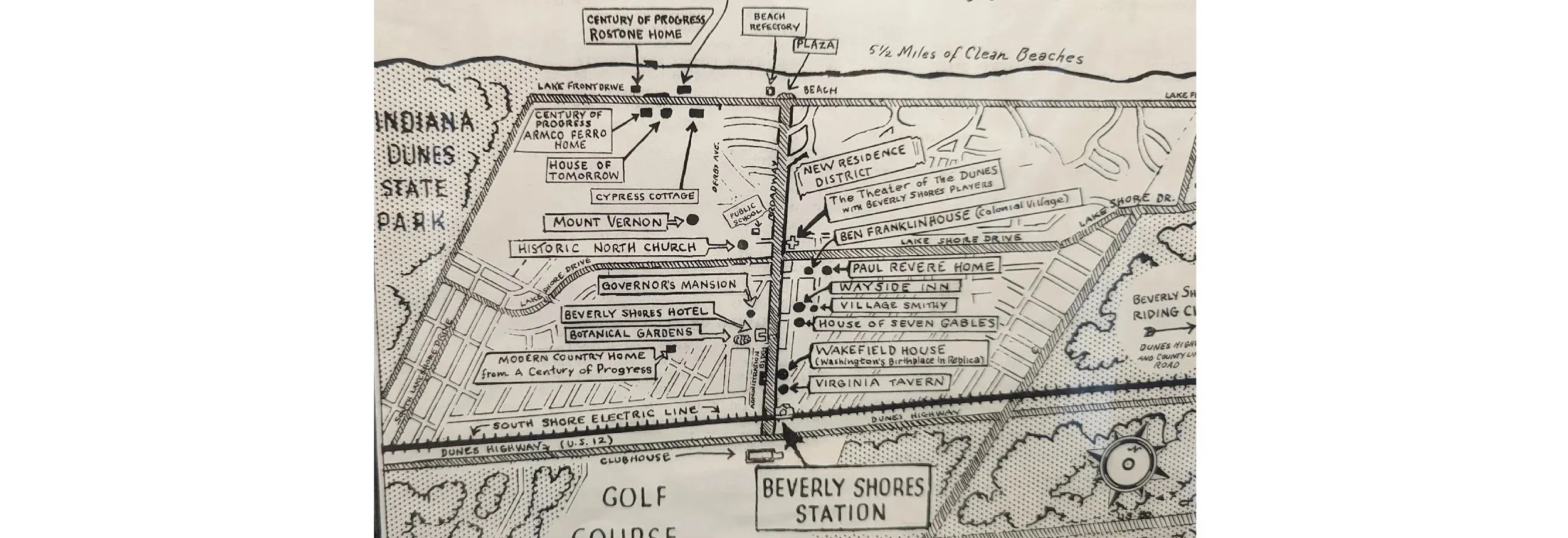
Above: Beverly Shores Plat
I'd be remiss, like all planners, not to mention my love of travel. My favorite place in the world is Place des Vosges in the 4th arrondissement of Paris; my plan eventually is to go yearly.
That connection to place, both here and abroad, grounds my work.
At the end of the day, my approach is simple: Leave a place better than you found it. That’s the job.
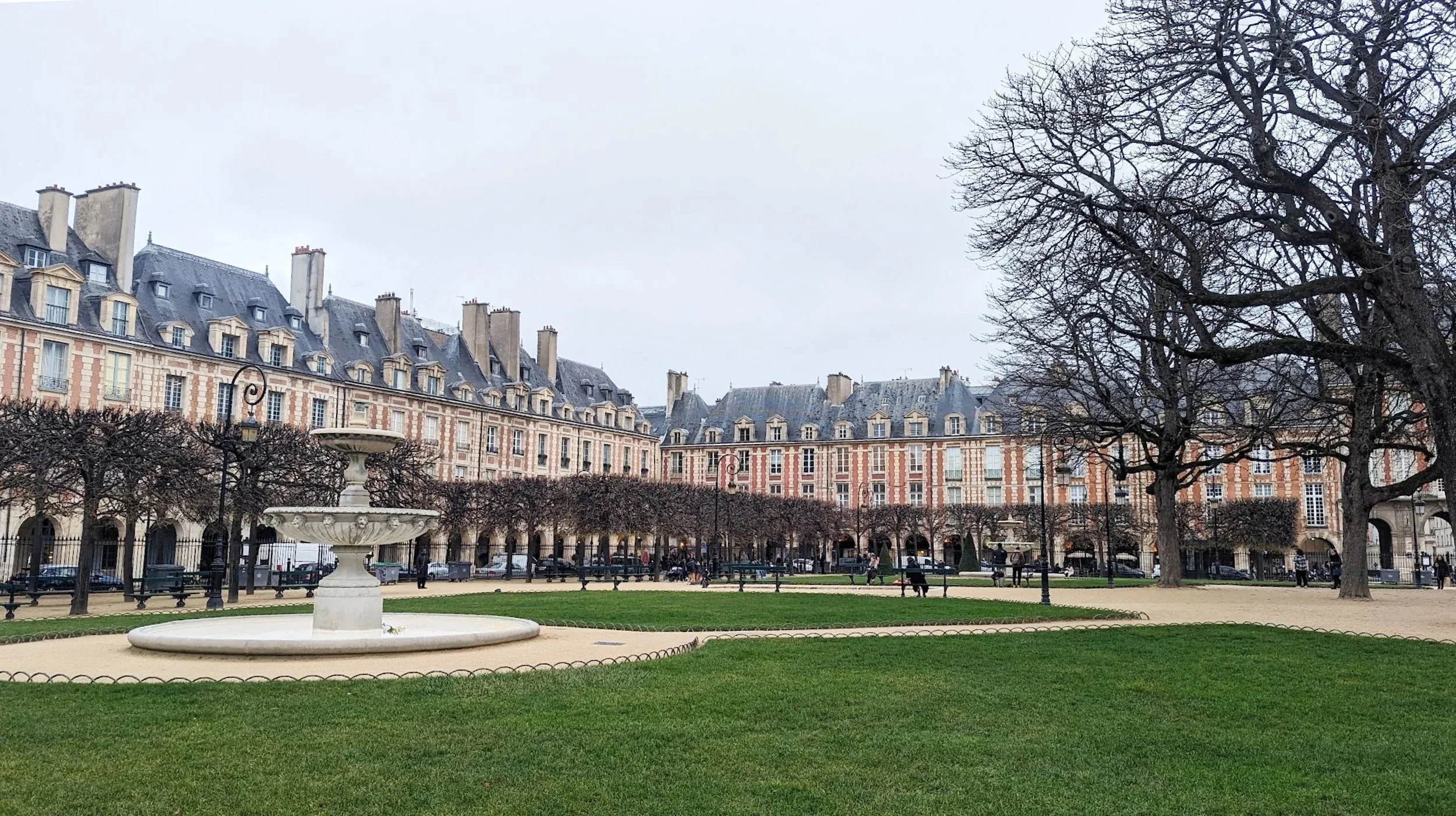
Above: Place des Vosges, Paris, France
Aaron Kowalski, AICP, Associate Principal, specializes in transit- and trail-oriented development (TOD/TrOD), leading projects that integrate land use, mobility, infrastructure, and economic development to create investment-ready, equitable communities. His approach combines design-based planning, market analysis, and development feasibility to identify opportunities and deliver actionable strategies that move projects from concept to construction. He has led multidisciplinary teams nationwide, developing TOD readiness analyses, zoning and policy frameworks, and public-private implementation strategies that align community goals with real-world development outcomes.
At home, he lives with his partner Annie in a cottage in historic Windsor Park, along with their two cats. He enjoys tending an ever-expanding garden filled with native plants, with a particular interest in spring ephemerals, as well as cooking and traveling.