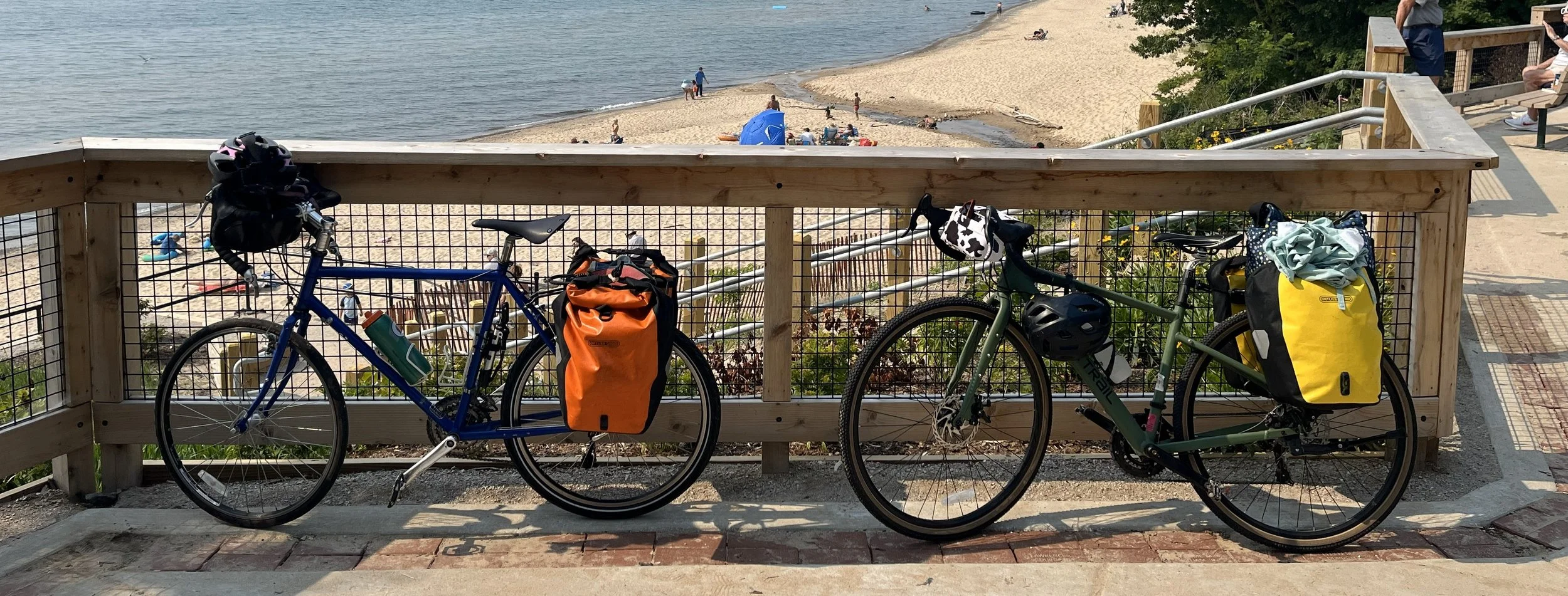
The Great Lake Michigan Trail Loop
Travel with MKSK Trek Fellowship recipient Donny Donoghue as he navigates the Great Lake Michigan Trail Loop.
The MKSK Trek Fellowship is a funded travel and research program open to MKSK professionals to explore critical issues in design, landscape, planning, and urbanism.
The Idea
There should be a trail that circumnavigates around Lake Michigan. Or so believes MKSK Associate and Planner Donny Donoghue, who spent eight days biking around Lake Michigan to explore the trails and trail towns of the region.
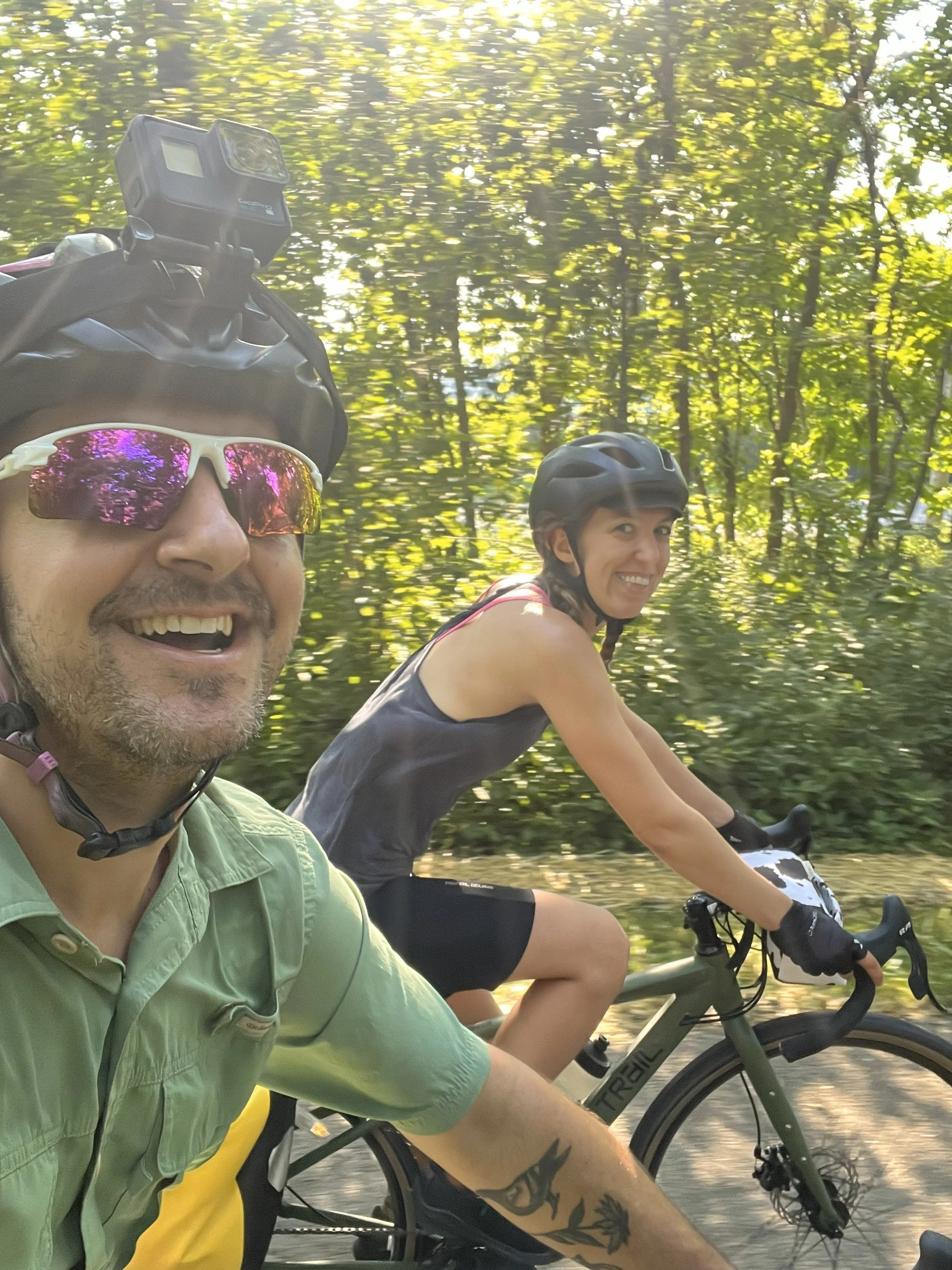
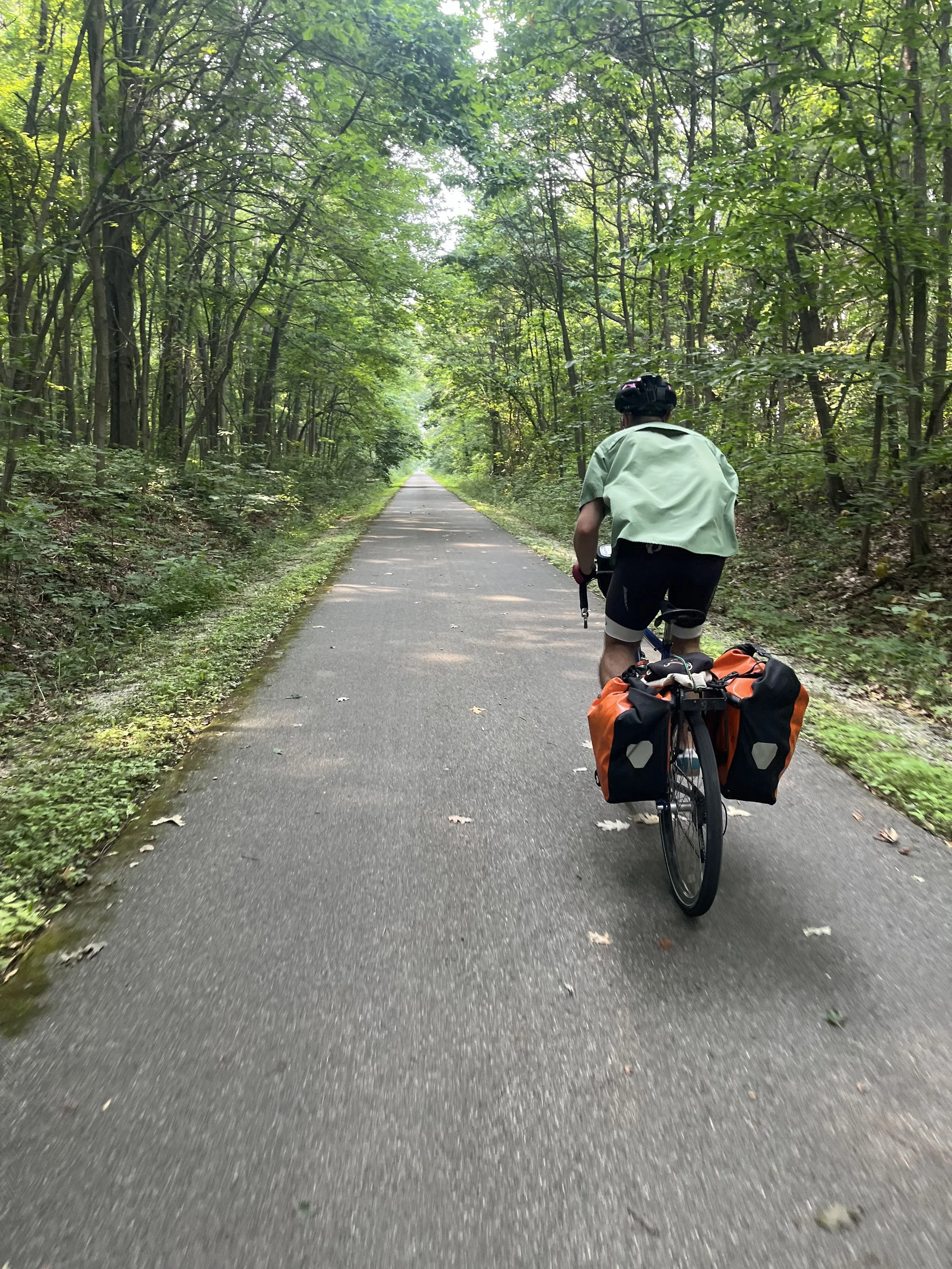
The Trek
The slower you go the more you can see. The research was as much about the journey as the destinations. No cars, planes, or trains were involved: The Trek was a bike ride around the southern half of Lake Michigan (defined as south of the Manitowoc-Ludington Passenger Ferry that traverses the lake east-west) staying as close to the lake as possible, while using as many trails as possible. In total, the journey consisted of 8 Days, 450 miles, 4 states, 1 ferry ride, 2 major American cities, and a whole bunch of smaller ones.
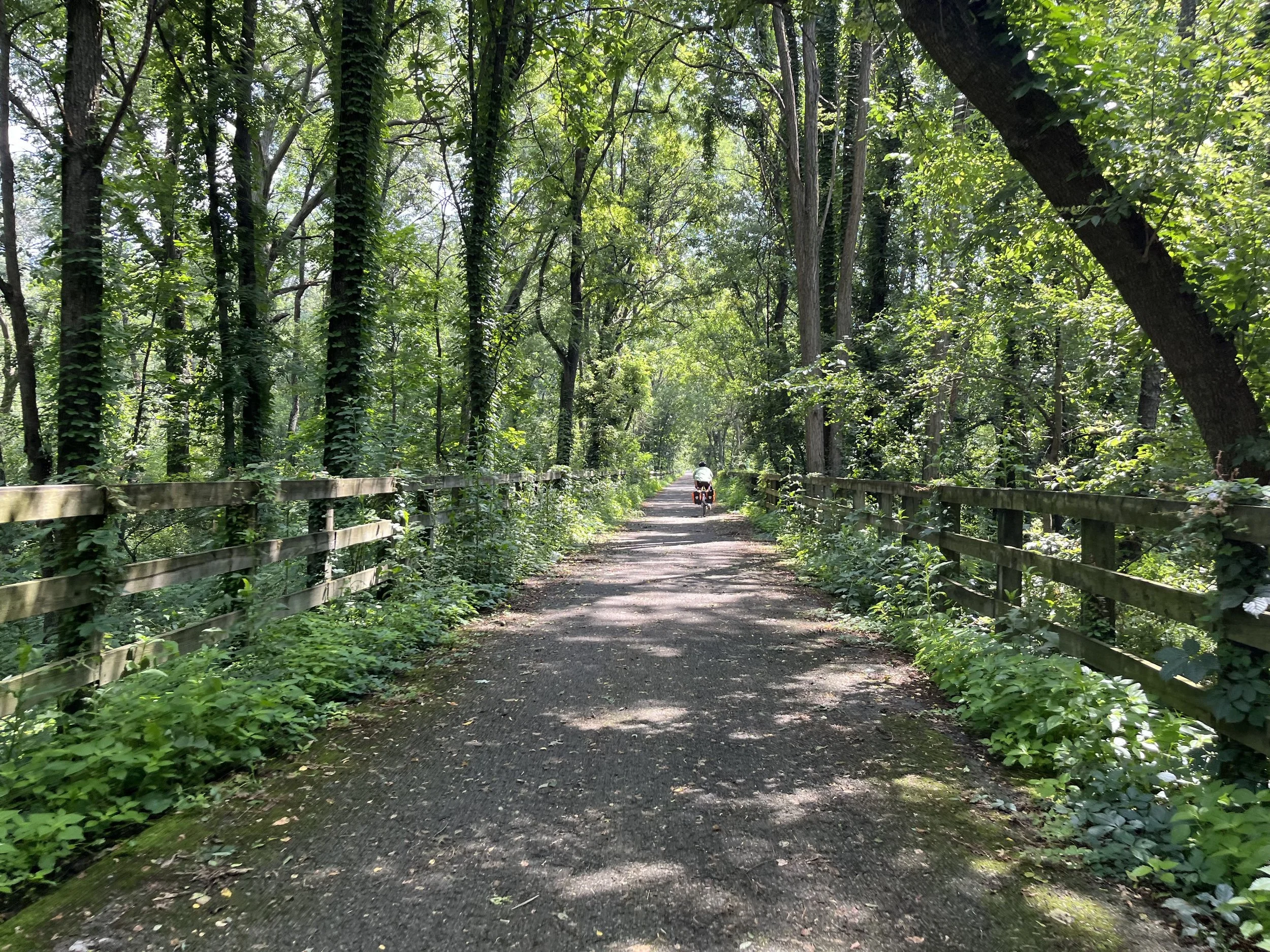
Ecological corridor linking national, state, and local park lands along the Oak Savannah Trail, Hobart, IN
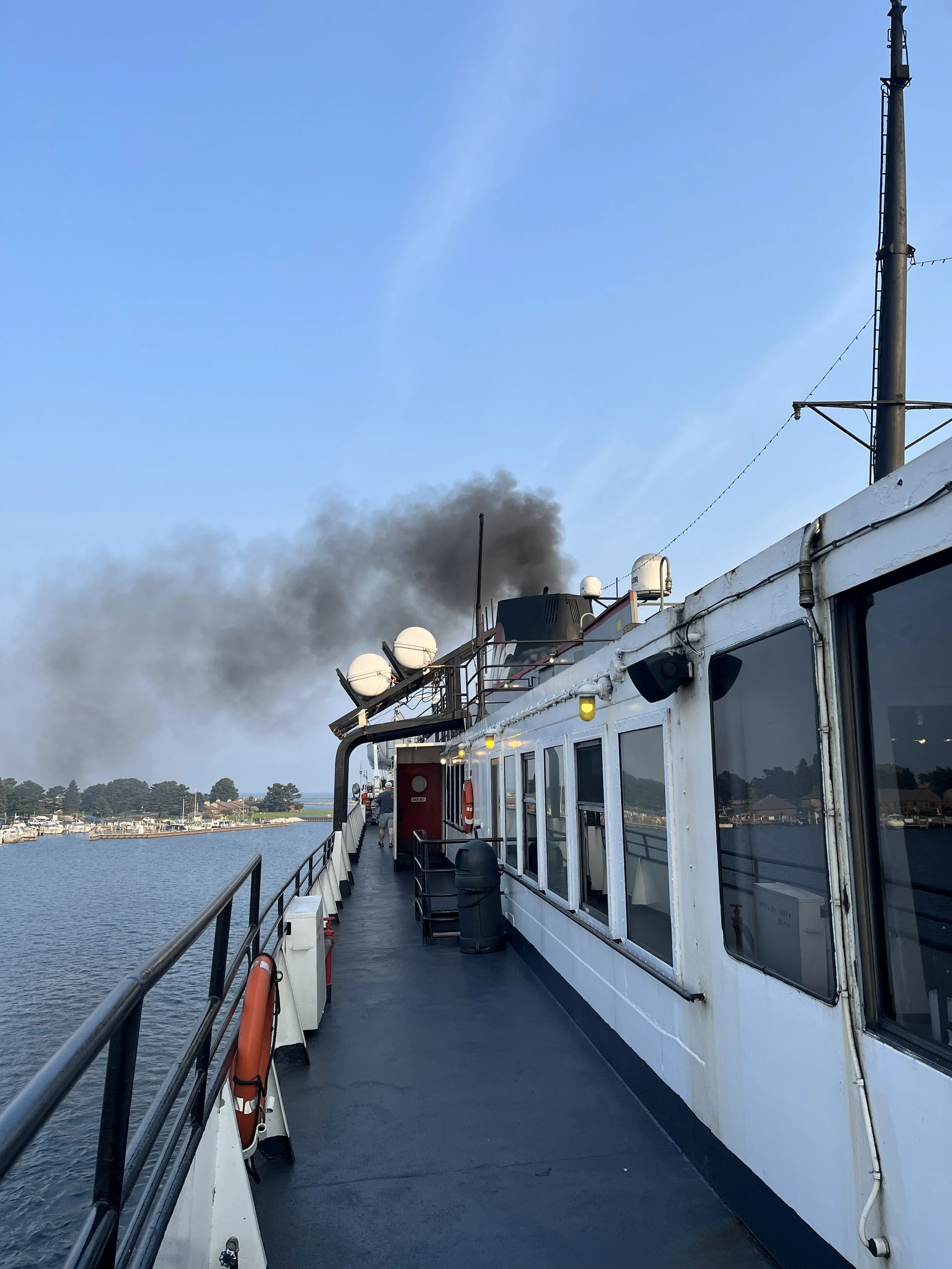
Aboard the S.S. Badger Passenger Ferry, one of two mobile National Historic Landmarks
The Lessons Learned
Lesson #1: The Search for the Great Lake Michigan Loop Trail
The journey served as field exploration and documentation of existing trails and potential routes for future trails to create a continuous trail loop around the southern half of Lake Michigan. In total, 55% of the southern half of Lake Michigan features a multi-use path oriented parallel to and within a few miles of the lake. Using an ArcGIS Storymap, the research documents the potential trail route and gaps.
Gaps in the trail vary by state, although many are in progress.
In Wisconsin, urban trail gaps exist through south Milwaukee, Racine, and Kenosha.
In Illinois, 82% of a continuous route exists, with smaller trail gaps at highly constrained areas within the Chicagoland region.
In Indiana, the Marquette Greenway is partially constructed and actively pursuing funding and implementation to connect from the Illinois to Michigan border.
In Michigan, the planned Red Arrow Trail and Blue Star Trails have the potential to link from Holland to the Indiana Border.
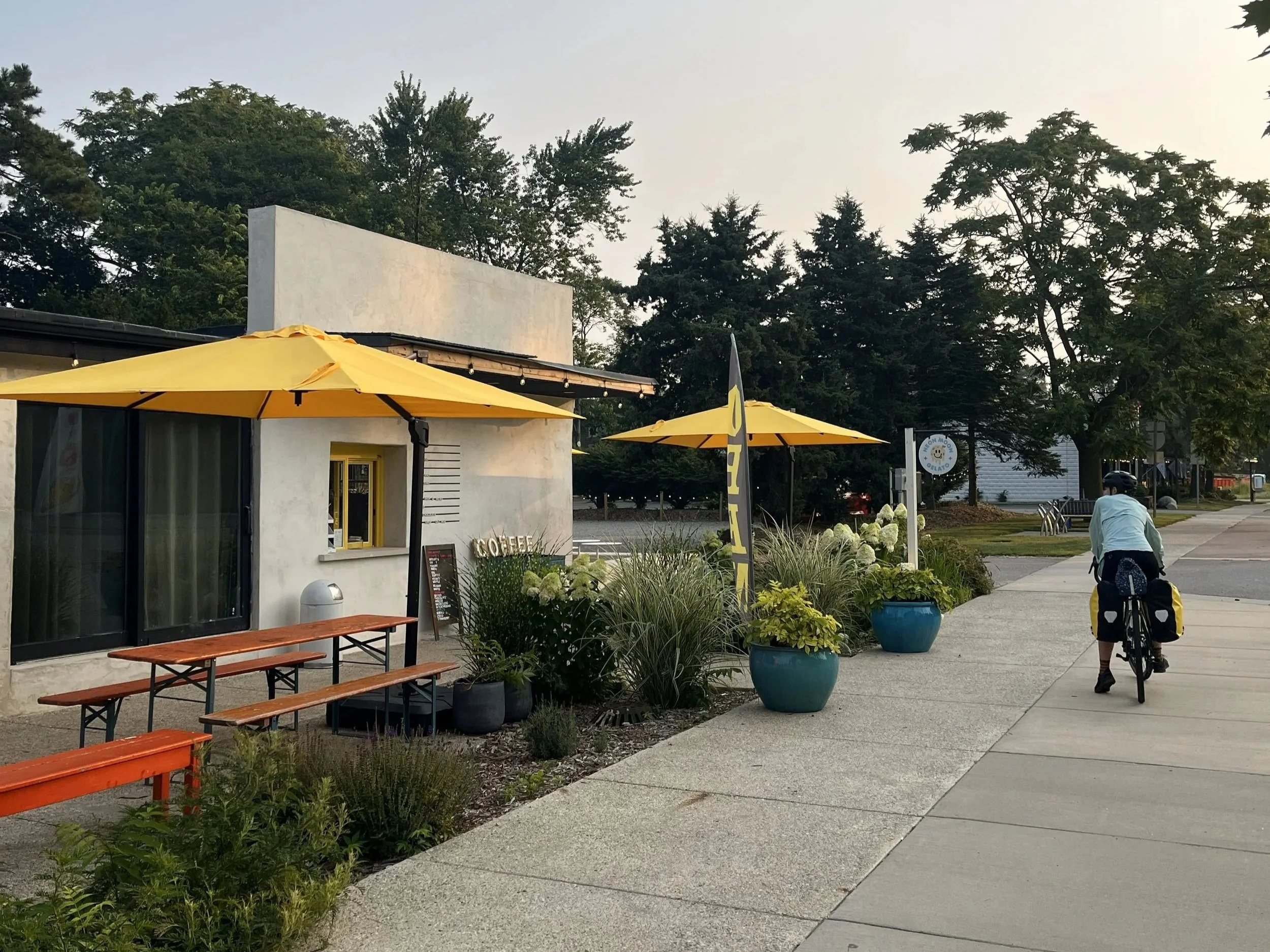
Activated business frontage along the Red Arrow Trail, Union Pier, MI
Lession #2: Trail-building 101
The route showcases the rich diversity of trail building practices along rail corridors, waterways, and roadways. The region has a rich legacy of large-scale trail-building dating back to the 1980’s.
Waterfront & Park Trails. South Shore Line in Milwaukee is a rare example of a waterfront trail along Lake Michigan, as most shoreline areas lack continuous public access due to private property. This trail manages to link urban and suburban areas while maintaining a natural aesthetic.
Rail with Trails. The Interurban Trail through Brown County and Ozaukee Counties in Wisconsin serves as a contemporary example of trail-oriented development in smaller/suburban communities, with newer developments including the Mequon Town Center anchoring and branding around the trail.
Rail to Trails. Hart-Montague Trail State Park in central Michigan is the oldest rail-trail in Michigan and features a 25+ miles of continuous environmental corridor 100 feet wide or greater. The corridor links small towns and agricultural areas, and is a shining example of preservation and old-growth forests.
Sidepath Trails along Roadways. The Red Arrow Trail in southern Michigan links a series of small and decentralized lake-side communities. The trail serves as a primary connective tissue for linking residents with shops and restaurants. Local businesses have embraced the trail, building out patio seating along the frontage.

Hart-Montague State Park Trail along working farms, Shelby, MI
Lesson #3: More Than Just a Trail
Across hundreds of miles, Lake Michigan communities are leveraging their trails in different ways:
For housing and development
For local businesses
For preservation
For community gathering and amenities
For transportation
For moments of reflection and culture
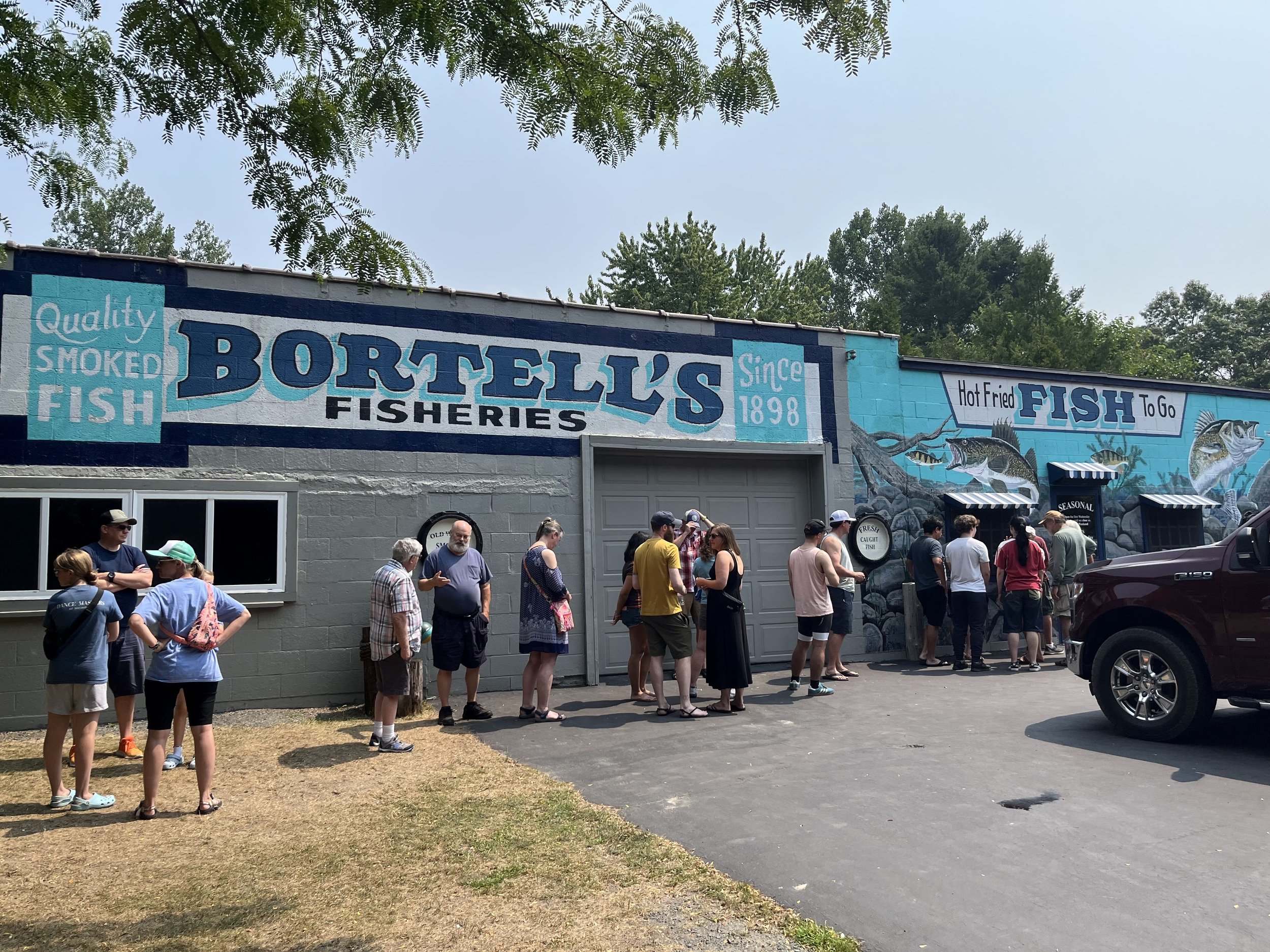
Bortell’s Fisheries, Shelby, MI
The Takeaway
Big Trails bring Big Joy: You cannot be sad when you're on a trail. Not physically possible. It's a place to reflect, smell wildflowers, build memories, contribute to the local economy, be happy, get places, and spend time with the people you love.
The Trail Loop is Well on its Way: Lake Michigan is well on its way to creating a continuous loop trail. Supporting inter-state connections, addressing key gaps in rural areas and small cities, and developing a holistic trail identity will be key to its success.
A Precedent for Itself: The region can serve as a precedent for trail building across the Midwest, a shining example of mixing and matching different trail building techniques. It also serves as a precedent for extending the existing trails and closing gaps along the Lake.
Benefits Beyond Recreation: The broader benefits of the loop trail include transportation, economic development, public health and safety, and community identity.
The Story of the Trail is all about People. More than miles, the trail is a legacy of the advocates, community leaders, diverse cultures, businesses, and residents that help to make the trails what they are today.
To view the full Trek presentation, click here.
Donny Donoghue is an Urban Planner based out of Chicago, IL, who believes that the journey is as important as the destination. Donny's professional passion is all about creating joyful and everyday outdoor experiences for communities. His expertise in greenway, streetscape, and public realm projects span from regional planning scales through concept design and implementation.