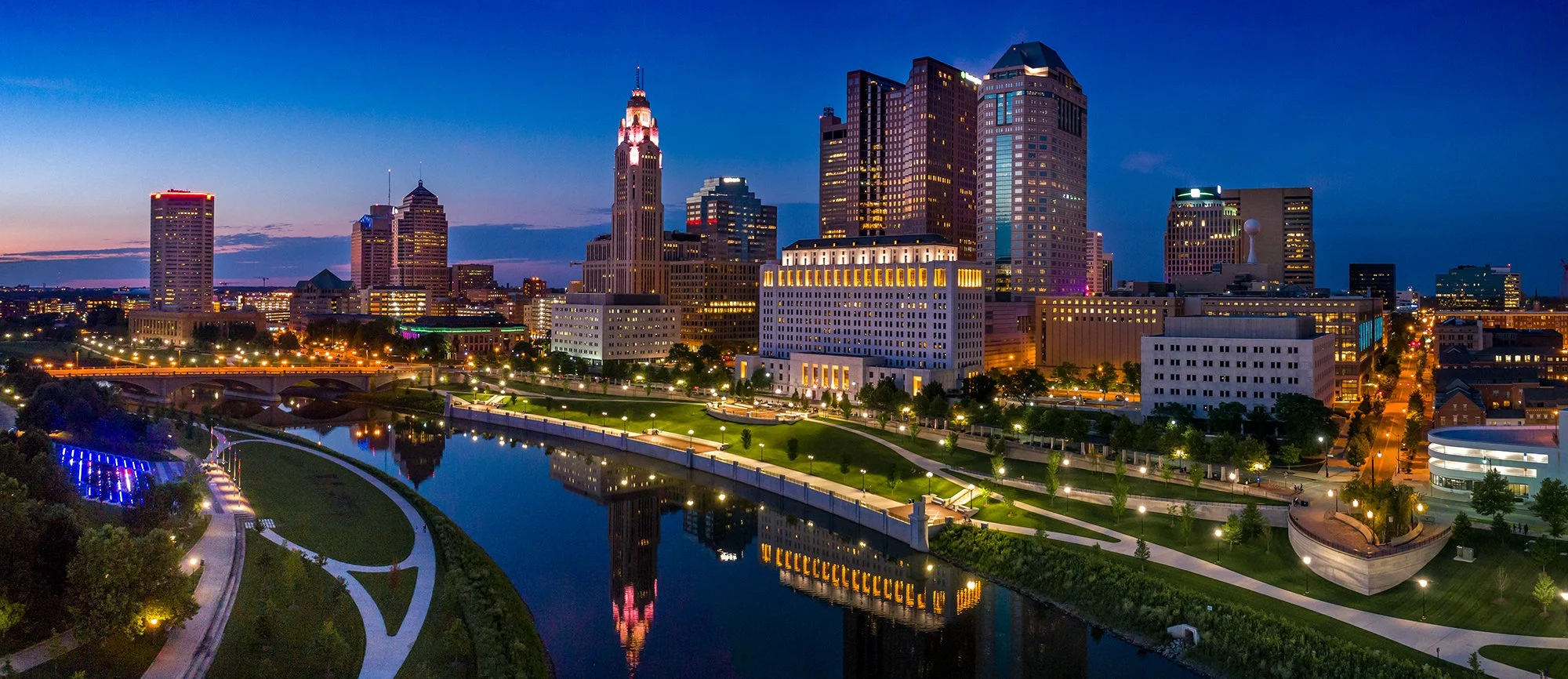
Shaping a Growing City: Lessons from Columbus Ohio's Transformation
Learn more about how Columbus became one of the Midwest’s fastest-growing and most dynamic cities
Columbus is not just growing, it is outpacing peers through affordability, quality of place, job creation, talent attraction, and strategic regional collaboration, making it one of America’s most compelling growth cities.
Its success has not happened by accident. Columbus’s rise reflects long-term planning, strategic public investment, public-private partnerships, bold placemaking, and a willingness to confront complex issues such as housing affordability, mobility, growth management, and neighborhood reinvestment.
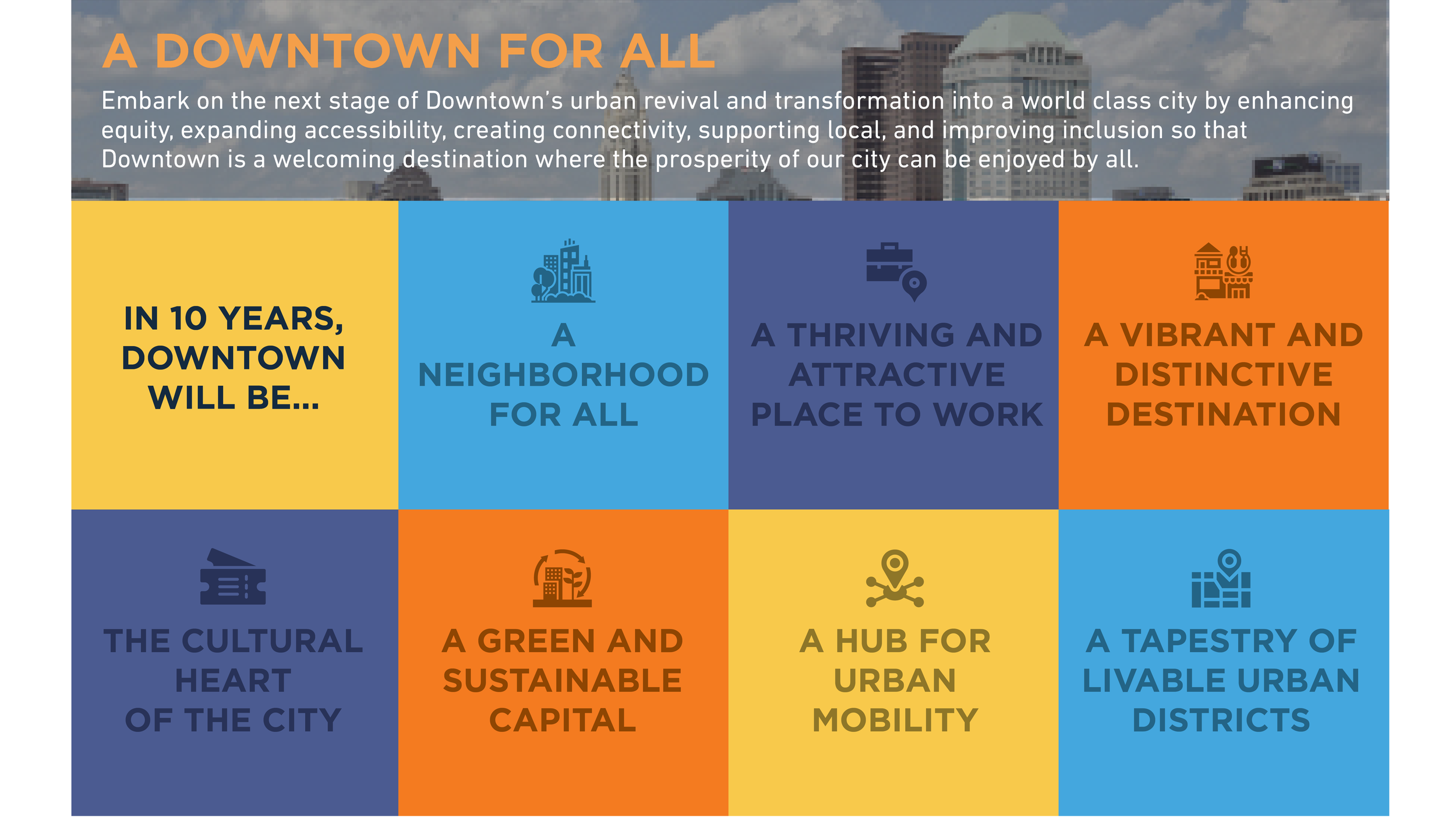
Over the last two decades, a series of strategic plans and targeted investments helped transform Downtown Columbus into a more vibrant mixed-use center with infill neighborhood development, better connectivity, expanded housing options, convention and sports district, and a renewed public realm. The 2022 Downtown Columbus Strategic Plan continued that momentum, positioning downtown as “everyone’s neighborhood” through a focus on equity, mobility, services, and inclusive growth. The 2022 plan builds on more than a decade of related downtown work, including the 2010 Downtown Columbus Strategic Plan, the Discovery District Placemaking Plan, and implementation-oriented planning for the Scioto Peninsula, the Scioto Mile, the Arena District expansion, and the Creative Campus.
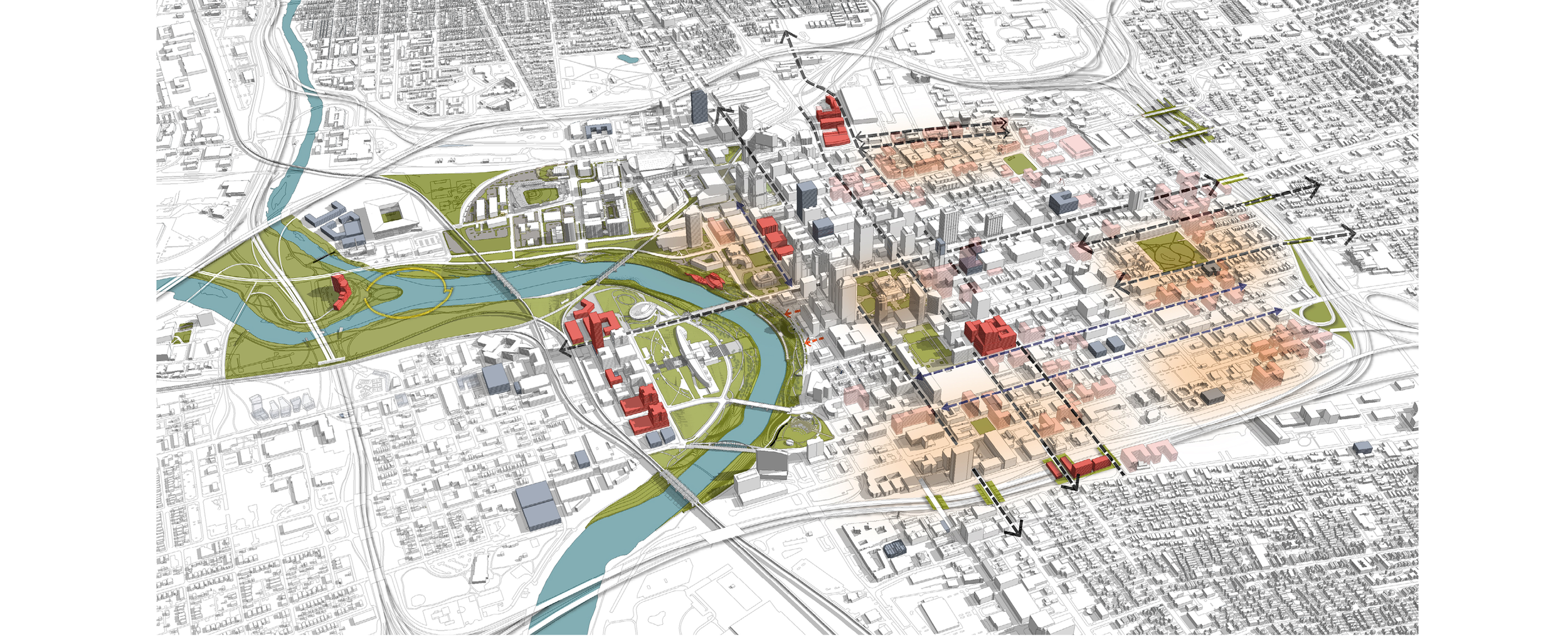
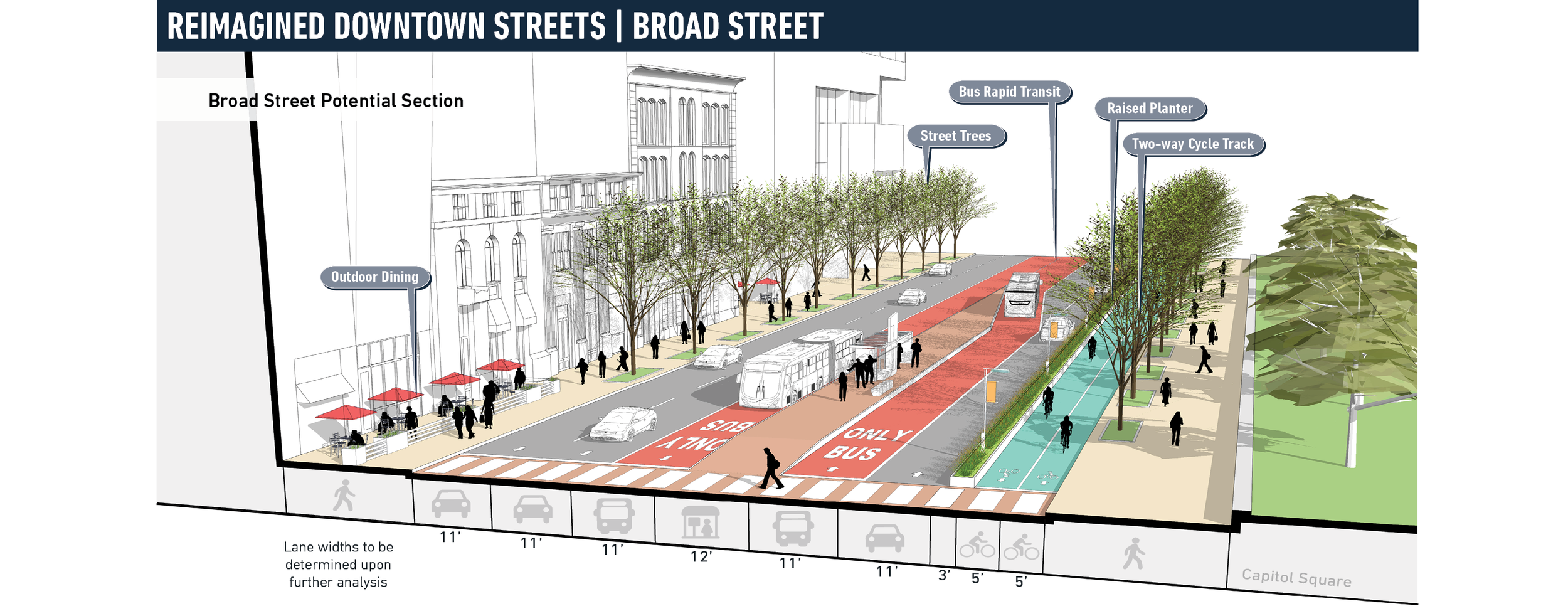
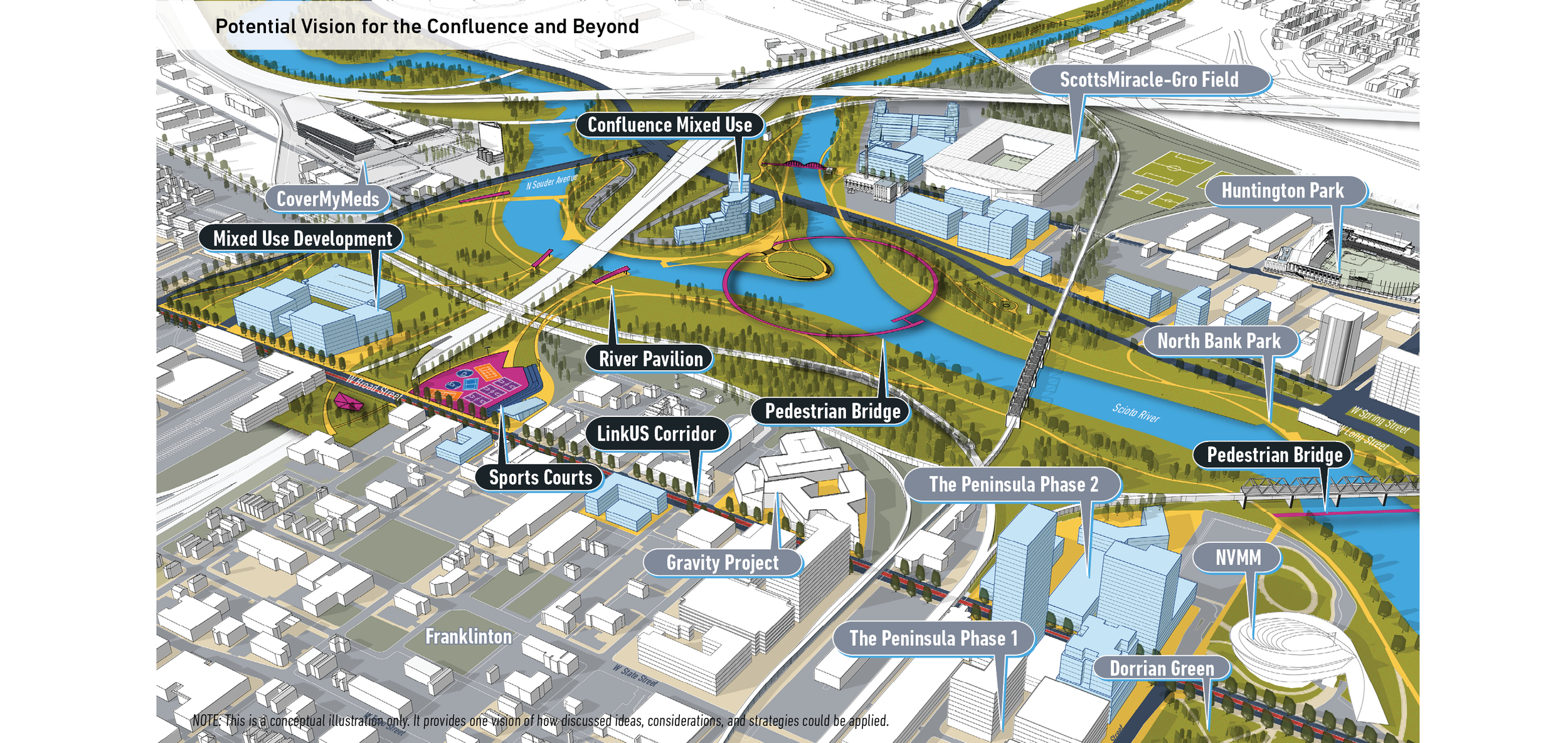
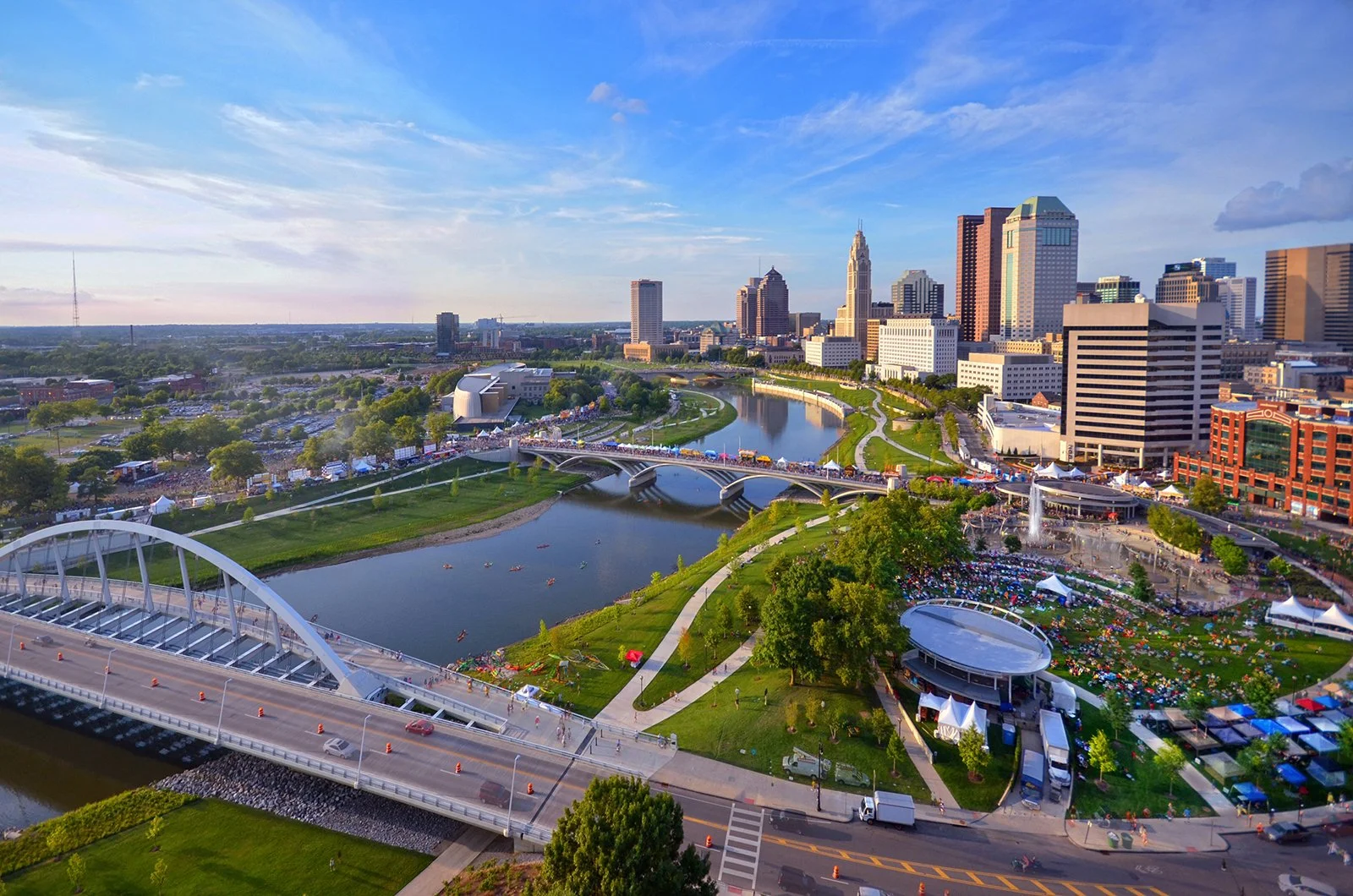
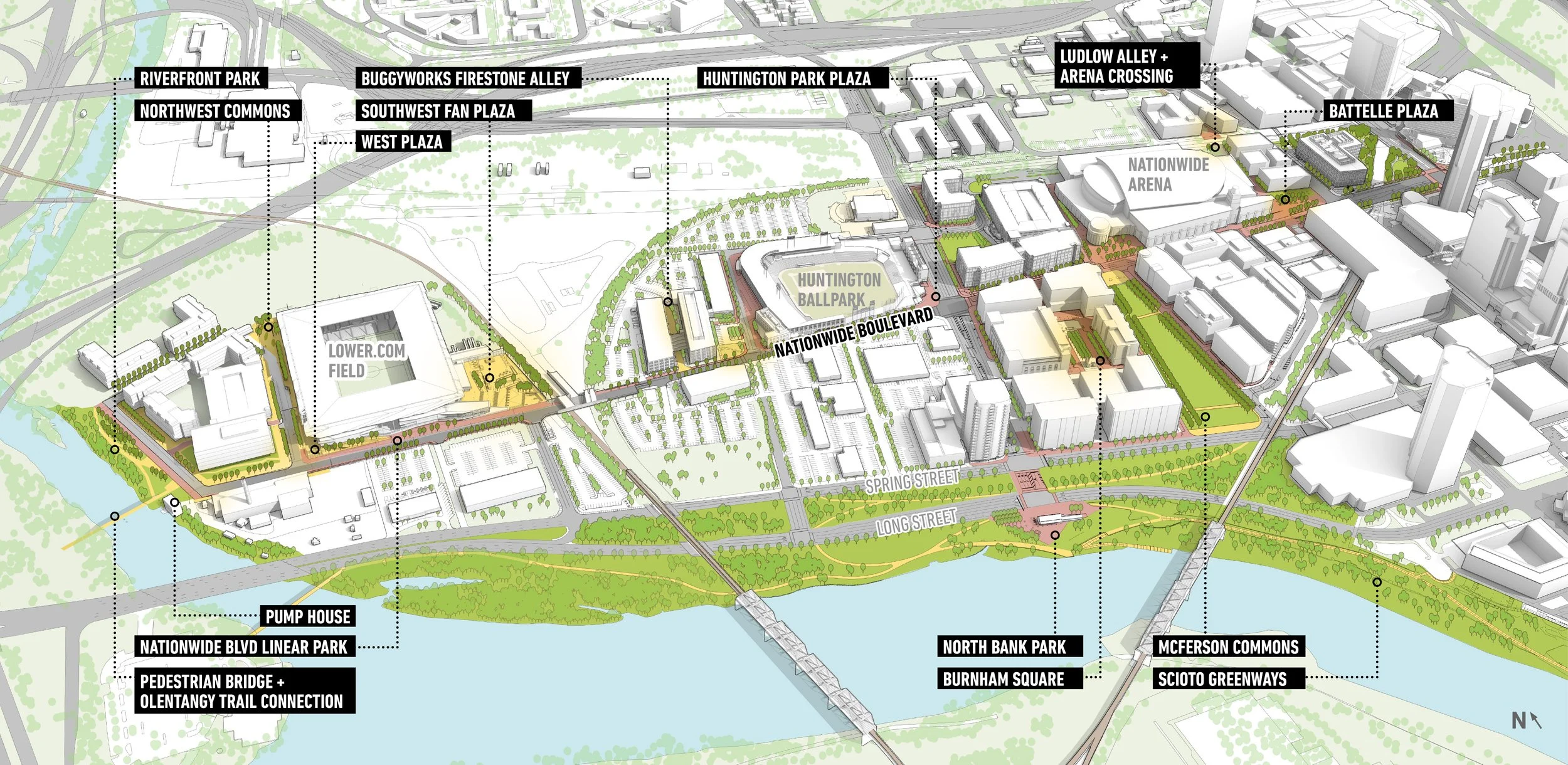
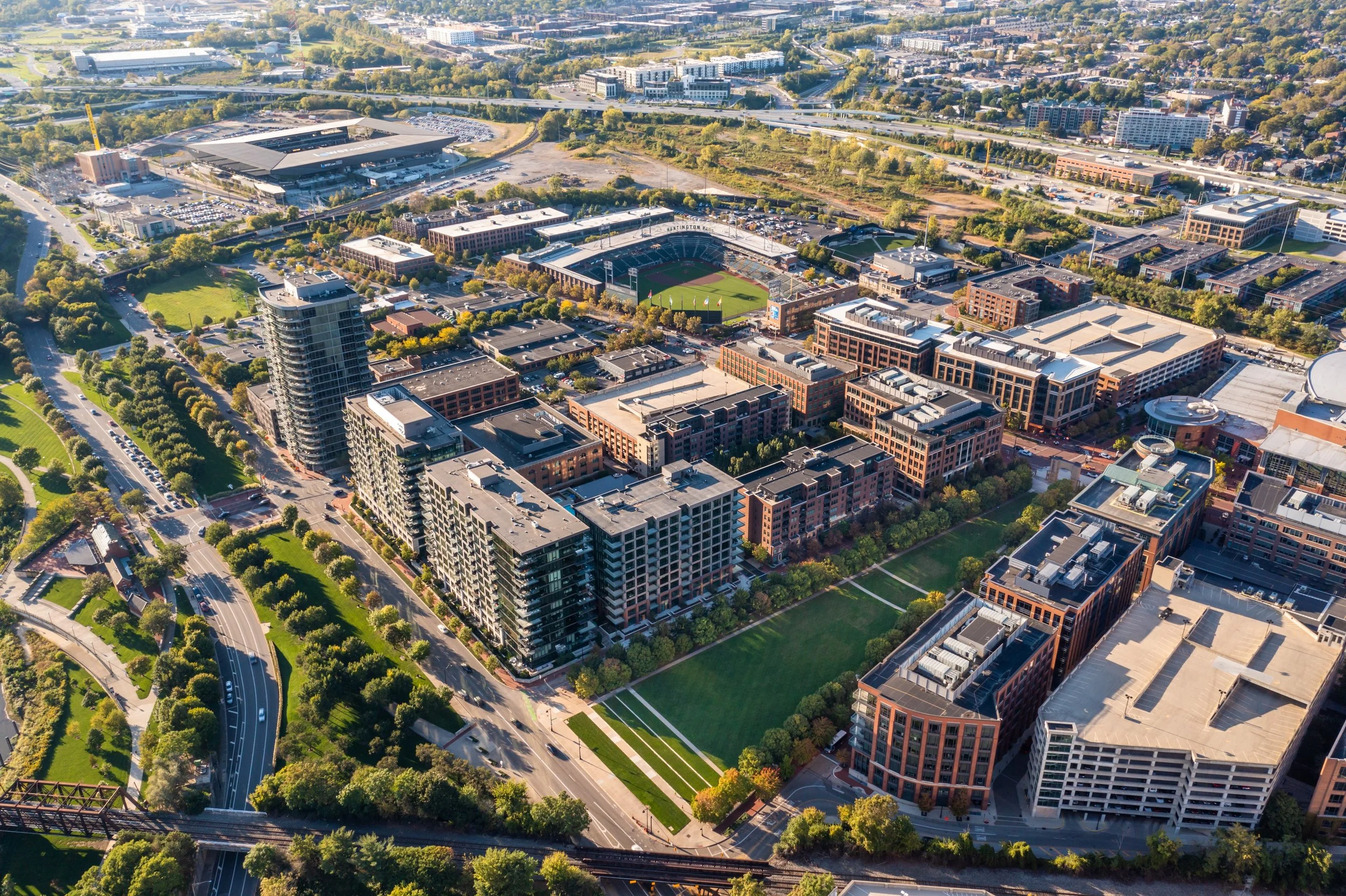
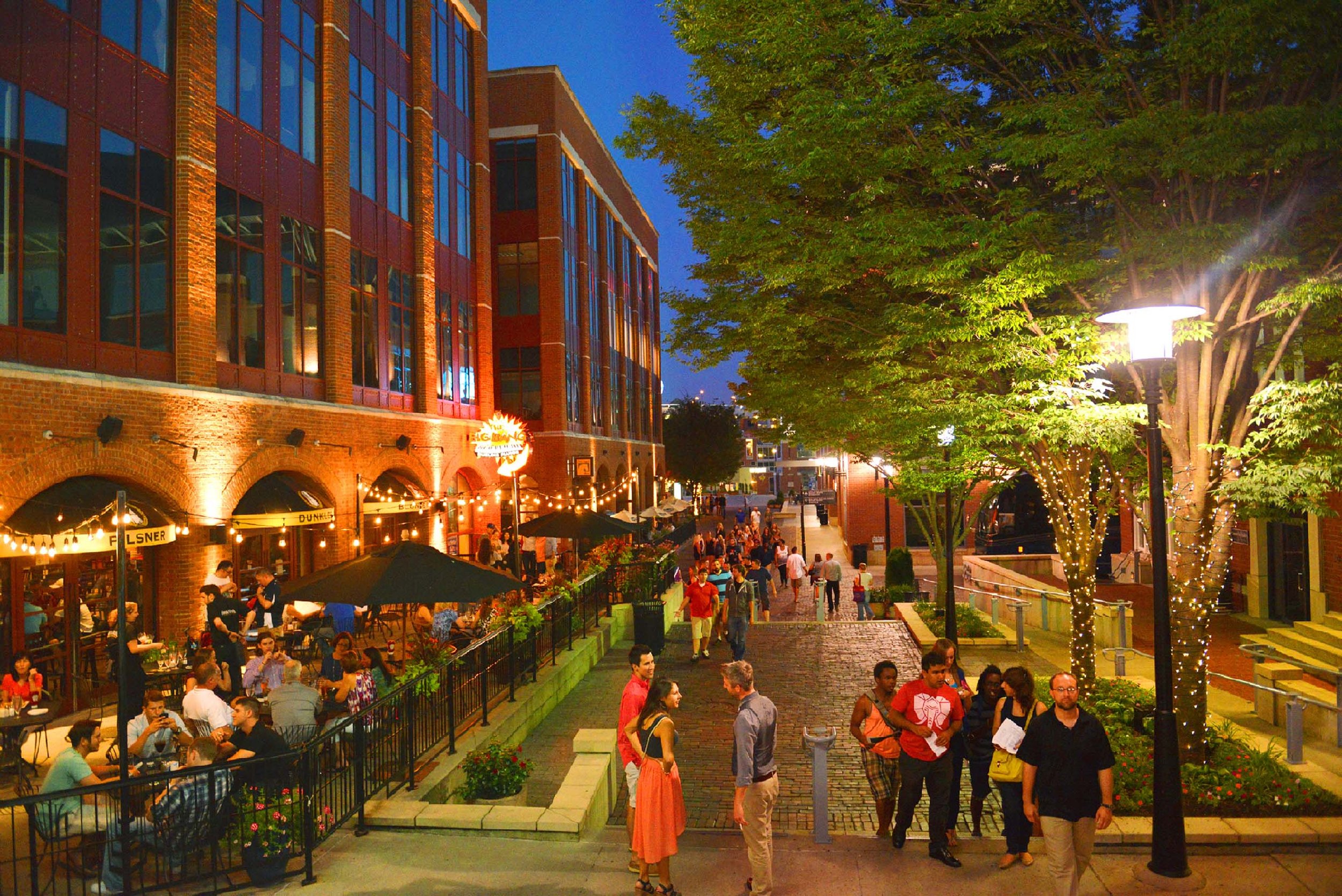
Perhaps nowhere is Columbus’s civic evolution and transformation more visible than along the riverfront, downtown, caps on the rebuilt innerbelt, and the Arena District development. Once underutilized edges and fragmented corridors have become signature civic assets that connect neighborhoods, attract investment, and improve quality of life. These design and implementation efforts including the Arena District Master Plan, the Scioto Mile and the Scioto Greenways, the Long Street Bridge Cap and Cultural Wall, and the emerging Capital Line. Together, these projects illustrate downtown reinvestment, public-private partnership, and the design of signature civic places that reshape how people experience the city.
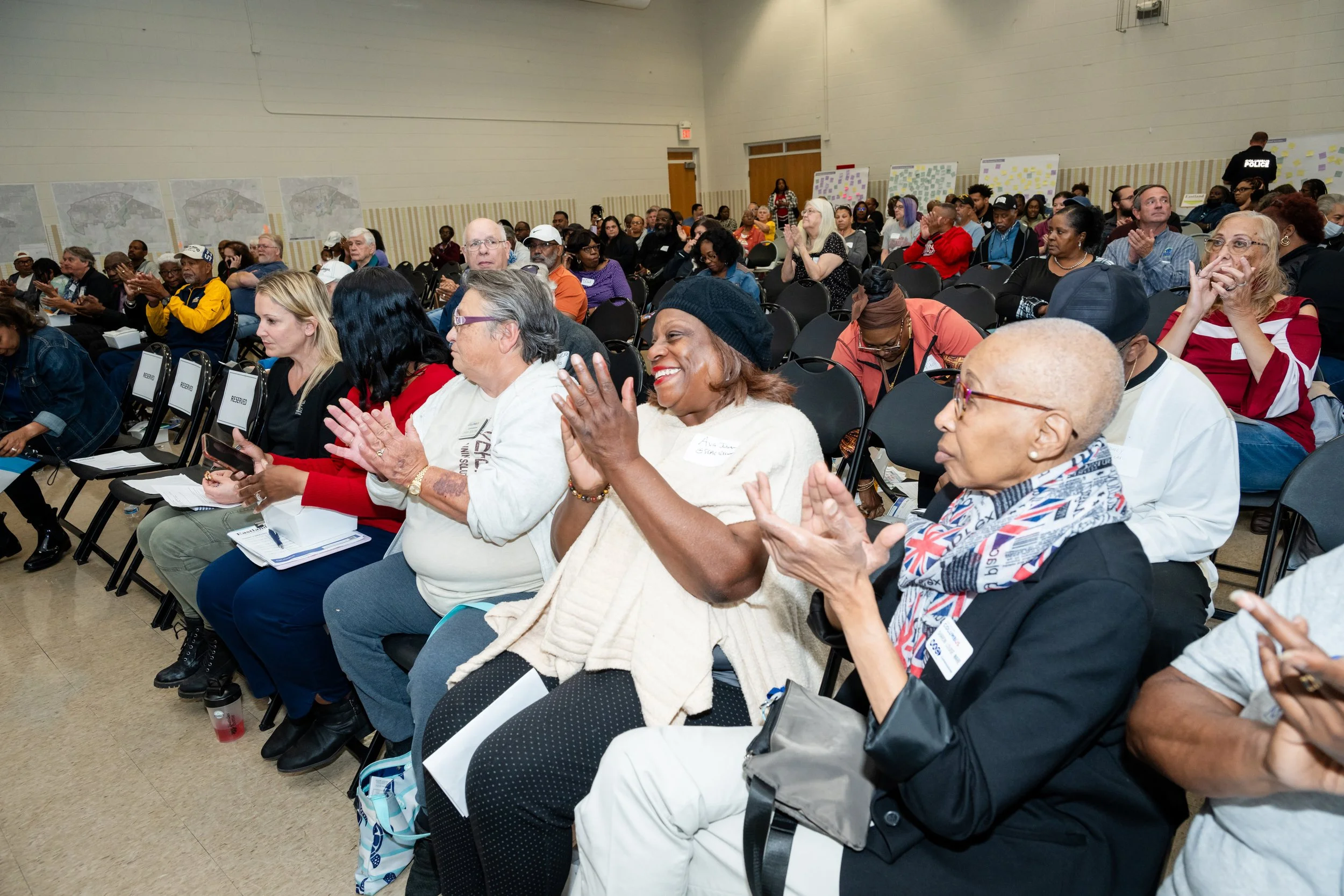
Growth has also required attention to equity and modernization. Community-driven initiatives such as Eastland for Everyone have focused reinvestment in historically underserved areas, while LinkUS transit planning, equitable transit-oriented development (TOD) strategies, and the Zone In Columbus zoning update are helping align land use, mobility, and housing policy for the next generation.
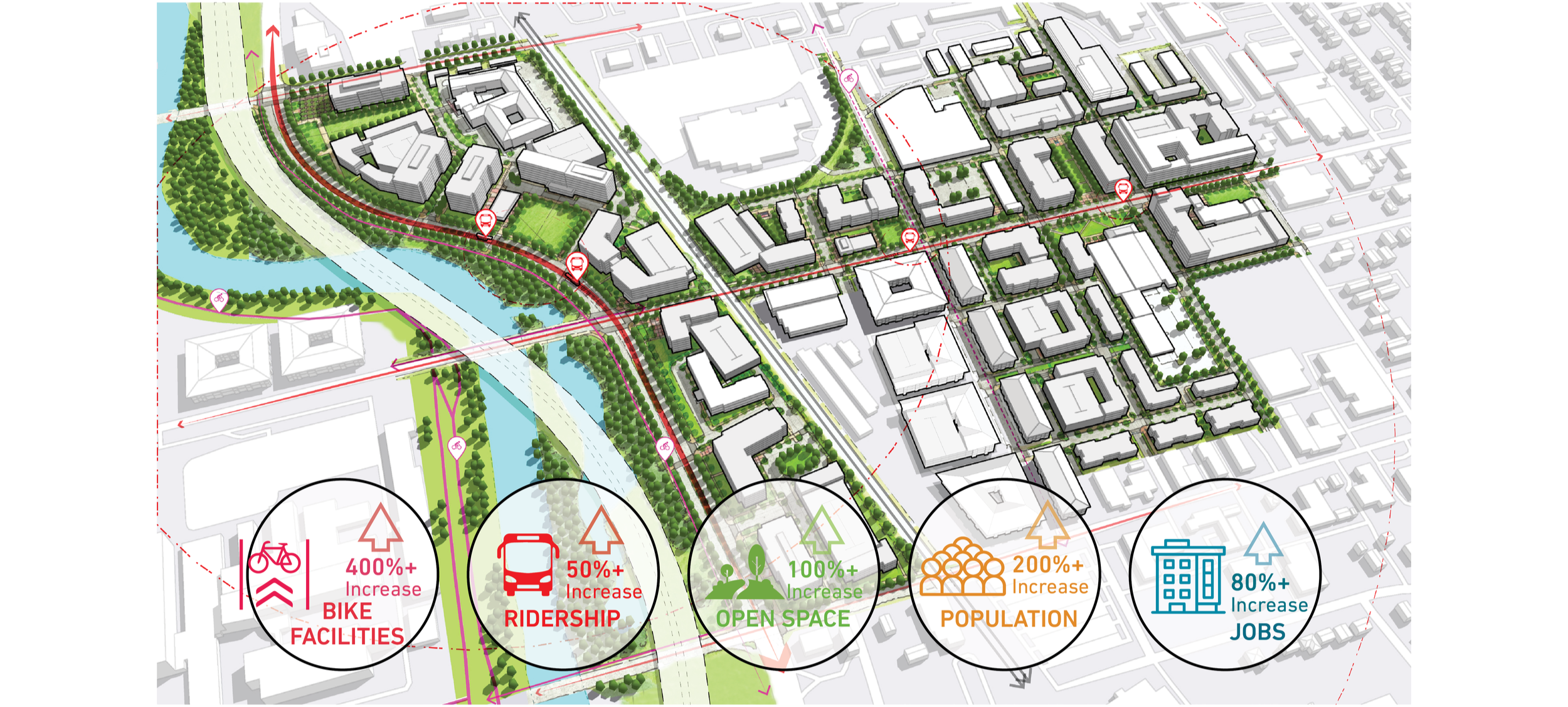
At the regional scale, leaders recognized early that growth required coordination beyond city limits. The Central Ohio Regional Housing Study, Finding Home in the Heart of it All, connected housing affordability to health, education, and economic opportunity across a 15-county region. Similarly, the Big Darby Accord created a multi-jurisdictional framework balancing watershed protection, development pressure, and governance across western Franklin County. These efforts illustrate how regional collaboration can help fast-growing areas preserve resources while planning for the future.
Columbus’s story is ultimately one of intentional growth: a city using planning, design, and partnership to turn momentum into lasting public value.
Helping Shape Columbus: MKSK’s Role in Planning and Design
For decades, MKSK has played a meaningful role in the planning, design, and transformation of Columbus, contributing to many of the initiatives that have helped position the city as one of the Midwest’s most dynamic growth markets.
MKSK has led and contributed to major citywide and regional planning efforts, including the 2010 and 2022 Downtown Columbus Strategic Plan
Central Ohio Regional Housing Study, linking housing supply and affordability to long-term economic competitiveness.
Signature Civic Projects
MKSK has helped deliver some of Columbus’s most recognized public-realm investments, including roles in the Arena District, Scioto Mile, Scioto Greenways, Scioto Audubon Metropark, the I-70/71 Innerbelt and Caps projects, and the emerging Capital Line. These projects have redefined downtown living, enhanced activity and entertainment, expanded recreation, improved riverfront access, reconnected neighborhoods with downtown, and elevated the city’s national profile.
Neighborhood + Corridor Revitalization
Beyond downtown, MKSK has led district, corridor, and neighborhood strategies such as Eastland for Everyone, helping create reinvestment frameworks for historically underserved areas through community-centered planning and catalytic development strategies, and the High Street Short North/Ohio State University corridor planning and improvements
Transit + Mobility Innovation
MKSK has supported the engineer- led LinkUS, equitable transit-oriented development strategies, complete streets, and multimodal planning that connect land use, transit, trails, and walkability along Columbus’s major corridors.
Policy + Zoning Modernization
MKSK supported LWC (hot link) in Zone In Columbus phase 1, the city’s major zoning code modernization effort, helping align development regulations with current housing, mobility, transit, and urban design goals.
Lasting Impact
MKSK’s role in Columbus reflects more than isolated projects—it represents long-term partnership in shaping how a growing city evolves. From strategic plans to built outcomes, the firm has helped Columbus become more connected, inclusive, resilient, and vibrant.
About the Author:
Chris Hermann, FAICP is a MKSK principal and leader in planning and urban development known for helping communities translate vision into implementable strategies that drive long-term growth and public value. With deep experience in downtown revitalization, economic development, land use planning, and public-private collaboration, he has guided complex initiatives that strengthen neighborhoods, attract investment, and improve quality of life. Chris is recognized for combining strategic thinking with practical execution, bringing stakeholders together around clear priorities and measurable outcomes. His leadership style is grounded in collaboration, accountability, and a strong understanding of how cities grow, compete, and evolve.