From Dreaming to Designing to Destiny: Hands-On Community Planning in Downtown Lexington
Turning thousands of community ideas into a community-driven vision for Downtown Lexington.
Community engagement is a familiar part of any well-rounded planning process. Through meetings and events, residents are often asked to help shape ideas and recommendations for a plan. We find that the most meaningful community engagement happens when communities are asked to do more than react to ideas. Instead we ask the right questions and design the right activities to allow for true co-design and co-decision making. Giving people tangible decisions to make, places to draw, streets to design, priorities to fund, and concepts to refine enables community members to see themselves in the final product.
That approach guided the recently adopted Lexington Downtown Area Master Plan. Over the course of a year, more than 2,200 Lexingtonians participated through interactive workshops, online surveys, stakeholder roundtables, Advisory Committee meetings, neighborhood gatherings, community events, and targeted outreach. At each stage, the planning team looked for opportunities to put meaningful questions in front of the community. Lexingtonians drew their own maps defining downtown, built potential development scenarios, designed downtown streets, and allocated hypothetical budgets for parks and open spaces to establish priorities. Together, these activities helped translate thousands of individual ideas into a community-driven framework for downtown’s future.
Build an Engagement Strategy, Not Just Sequential Events
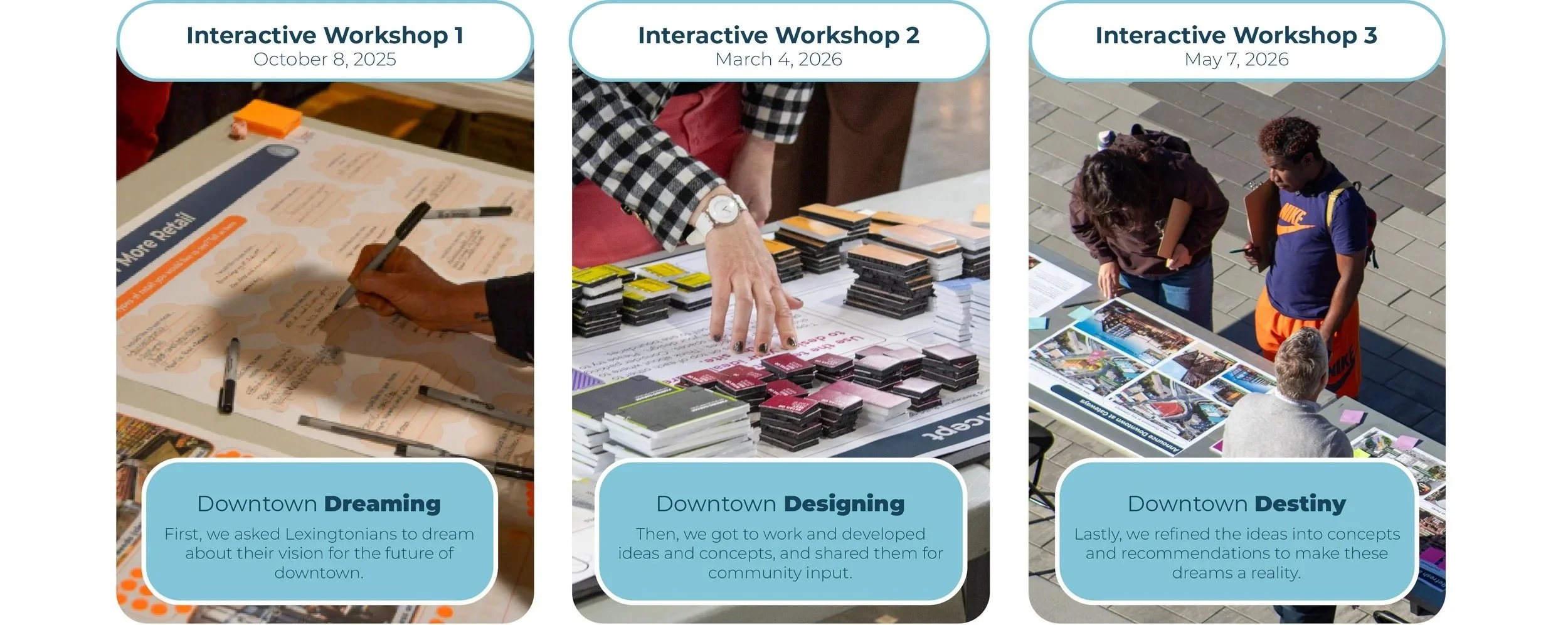
The Lexington Downtown Area Master Plan process was organized around three phases of engagement, each building on the lessons learned from the previous phase. As a result, rather than asking the community for broad input at the beginning and presenting a finished vision at the end, the process created multiple opportunities for participants to directly inform how ideas developed and later provide feedback to refine them.
Downtown Dreaming identified broad opportunities, challenges, and community priorities, including the plan’s definition of downtown.
Downtown Designing asked participants to test ideas and develop potential solutions through hands-on activities where residents take a central role in developing concepts.
Downtown Destiny presented more developed concepts and recommendations for refinement with a focus on implementation and action.
This structure created a direct relationship between engagement and the ideas and recommendations developed later. Early stakeholder conversations, community events, surveys, and the first workshop generated a series of recurring themes related to housing, transportation, business vitality, public spaces, affordability, safety, walkability, homelessness, and downtown identity.
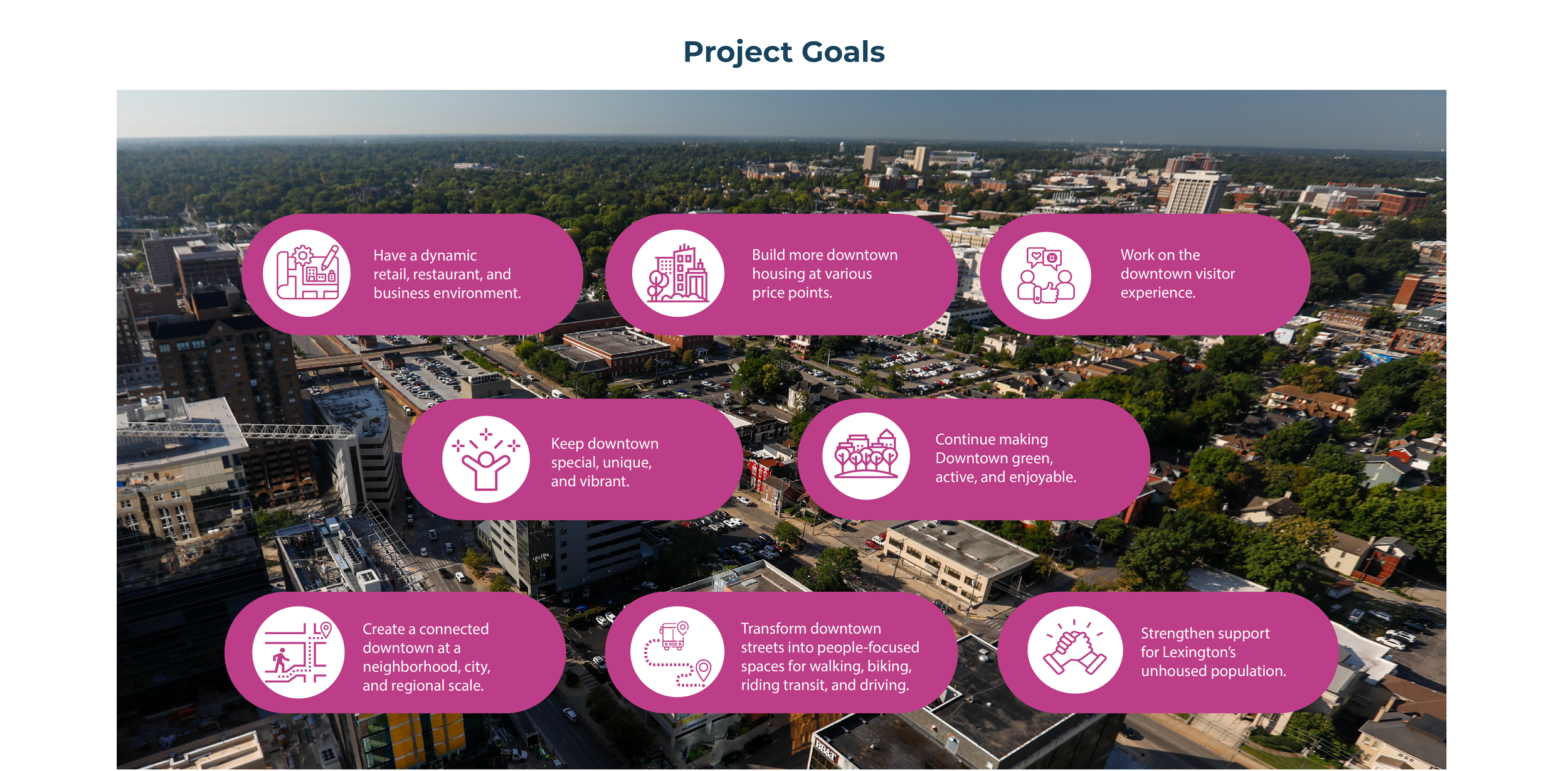
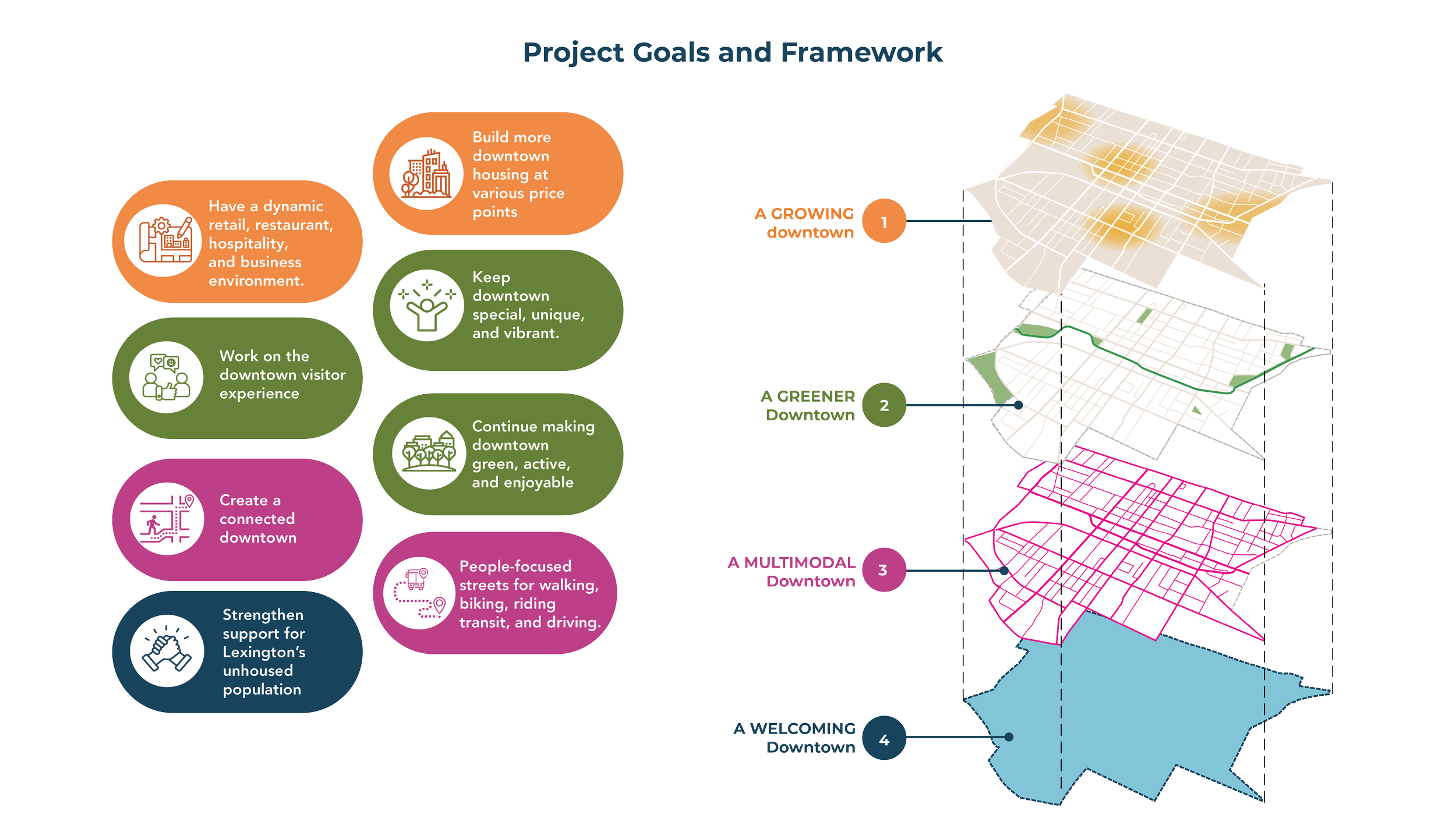
Those themes were brought back to participants during the Downtown Dreaming workshop, where they were summarized as eight project goals. Those goals then became the foundation for a four-part Downtown Framework that organized the plan’s ideas: A Growing Downtown, A Greener Downtown, A Multimodal Downtown, and A Welcoming Downtown.
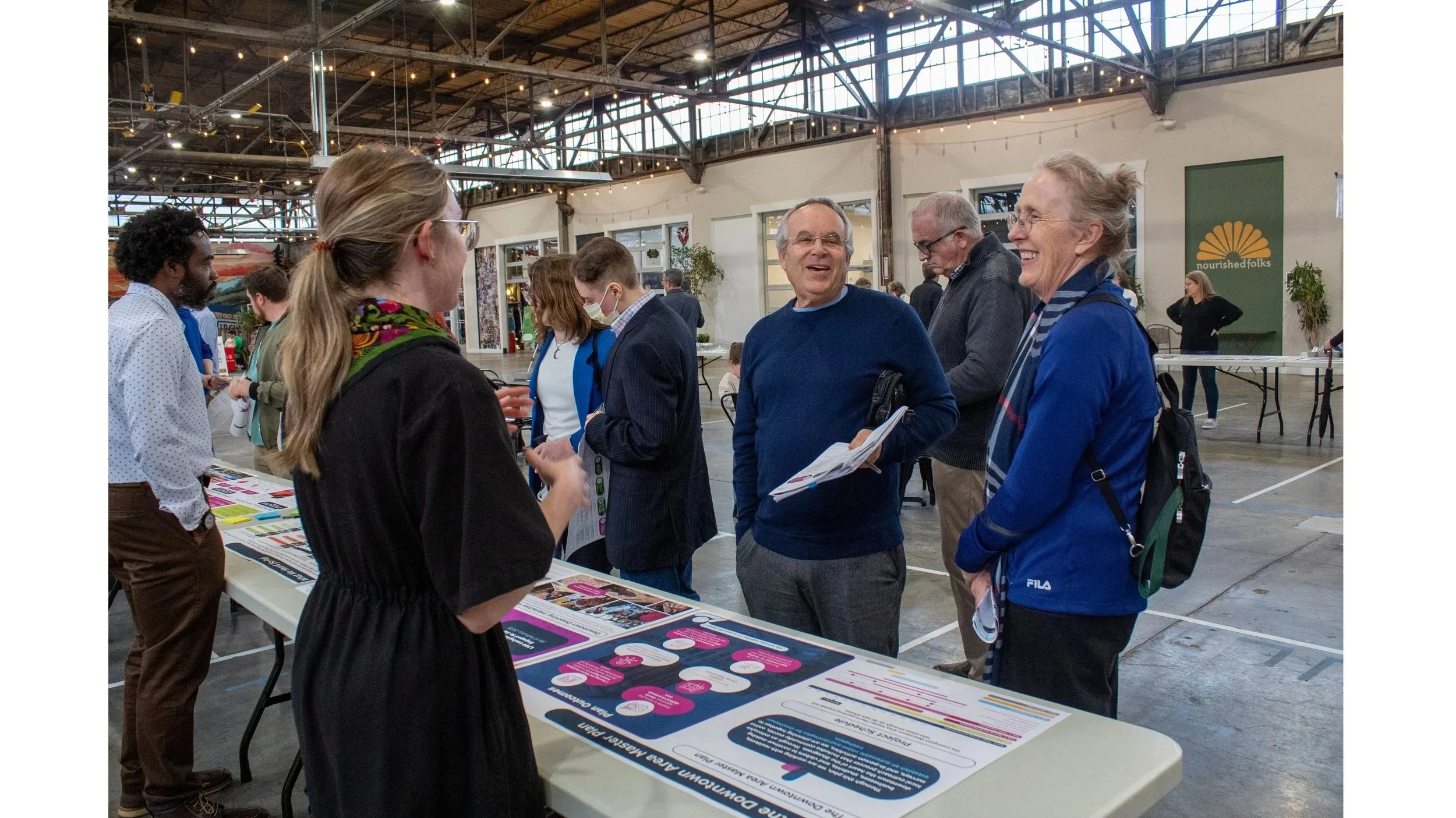
Get the Community to Define Downtown
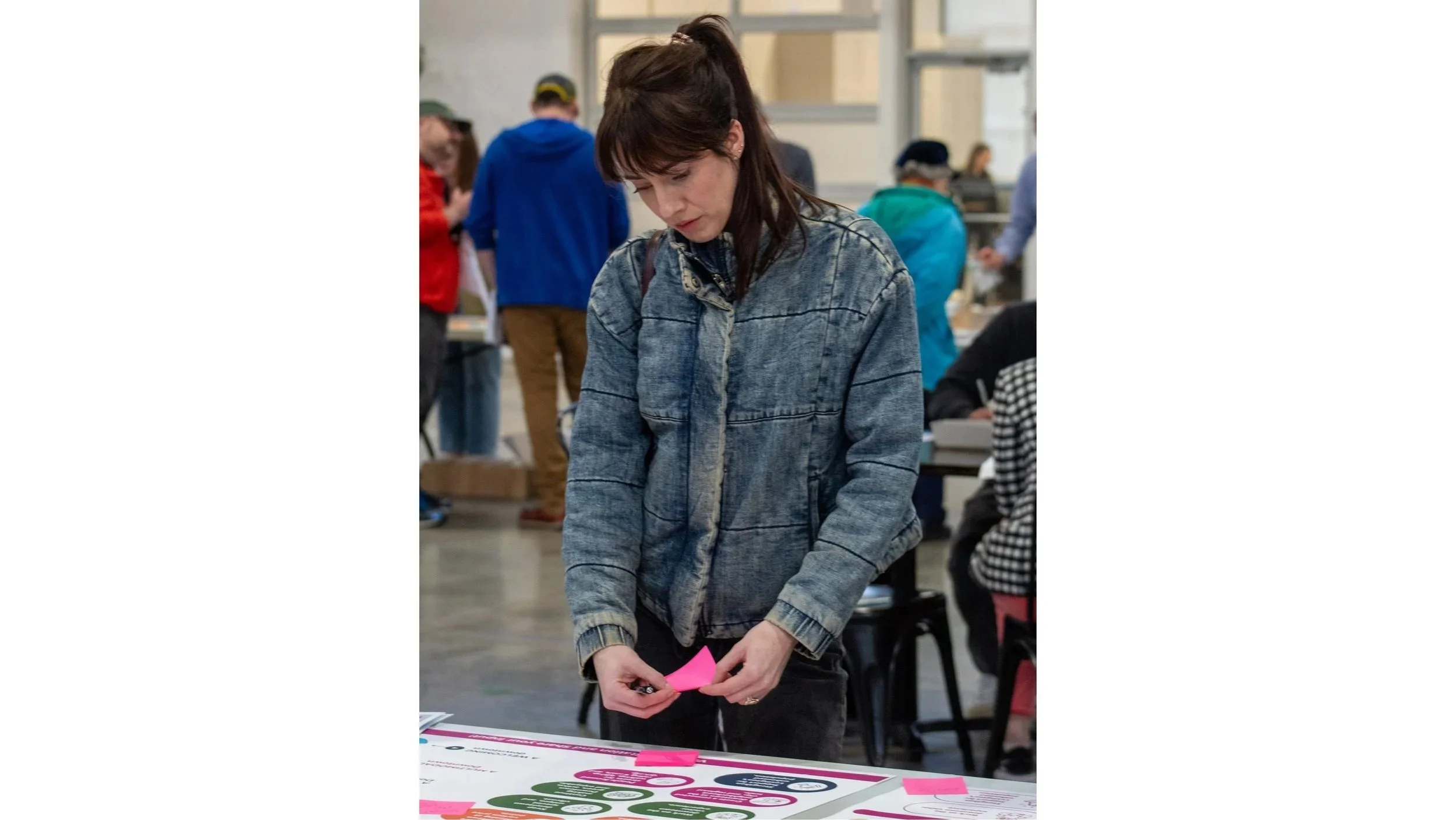
One of the first major engagement questions was also one of the simplest, yet most consequential: What defines downtown? Rather than beginning with a predetermined study area and assuming it reflected how Lexingtonians understood downtown, participants were asked to draw the boundaries of the area they personally considered downtown. More than 180 maps were completed by residents, stakeholders, workshop participants, and Advisory Committee members. When the maps were analyzed, they showed that there was no single community definition. Some people identified a compact Central Business District, while others understood downtown as a much larger area connected to surrounding neighborhoods, institutions, corridors, and destinations.
The exercise was simple, but the result was significant. Community input helped establish the geography around which much of the remainder of the plan was organized. Instead of establishing one boundary, the final plan defines three interconnected geographies: a Central Business District, a larger Downtown Core, and a broader Midtown area influenced by what happens downtown. Each serves a different planning purpose and helps guide decisions related to zoning, mobility, redevelopment, public improvements, and long-term connectivity.
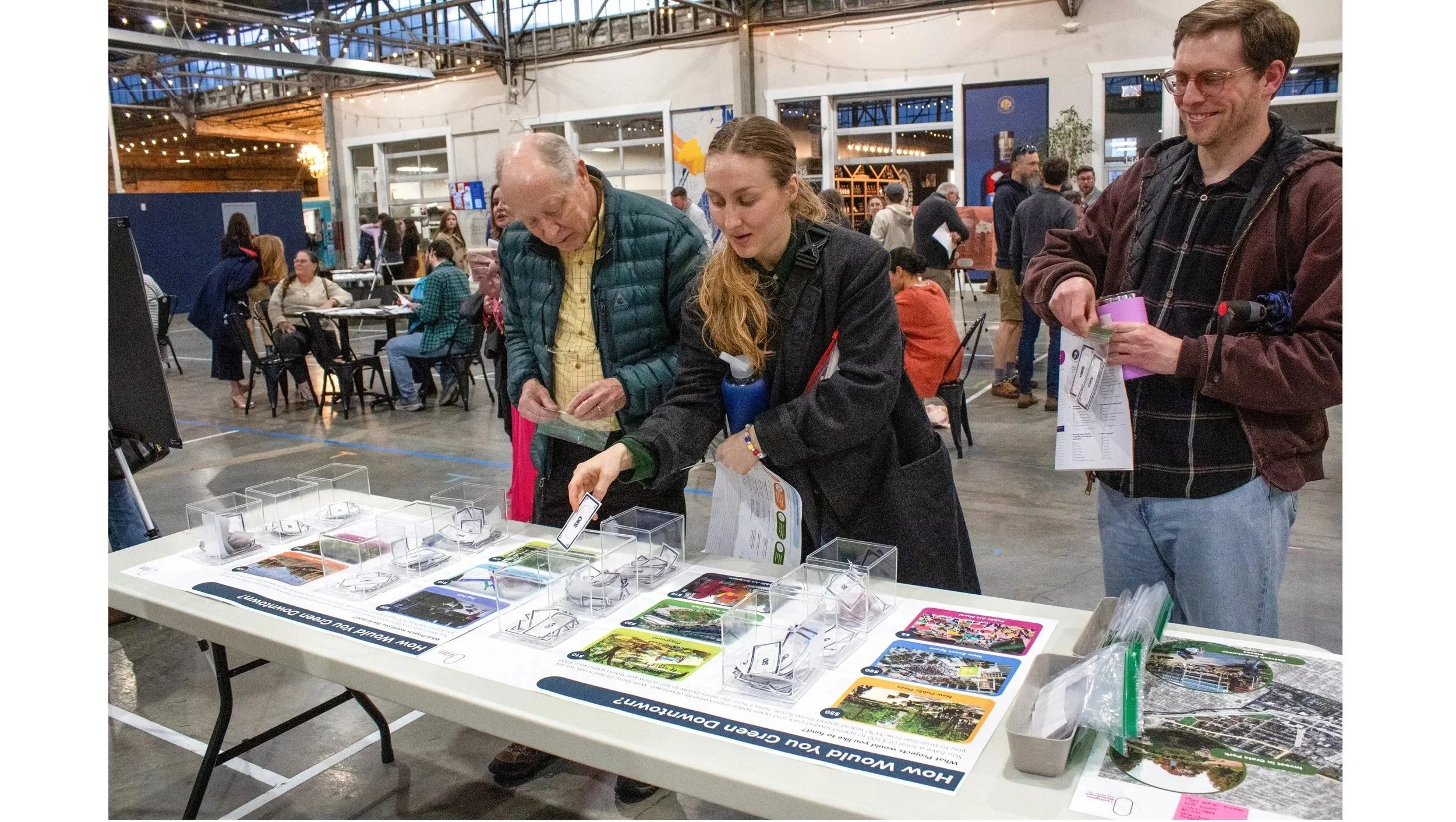
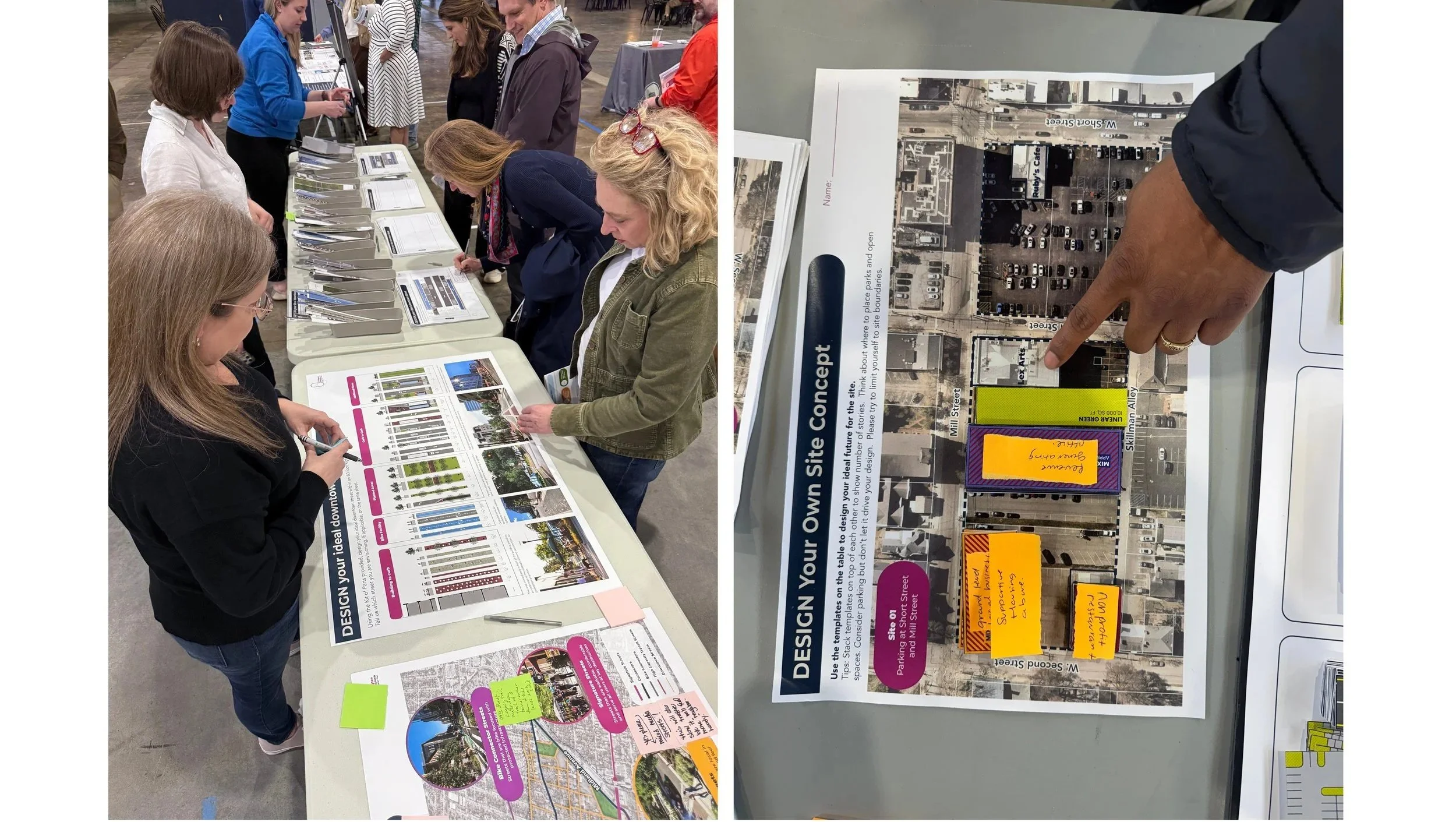
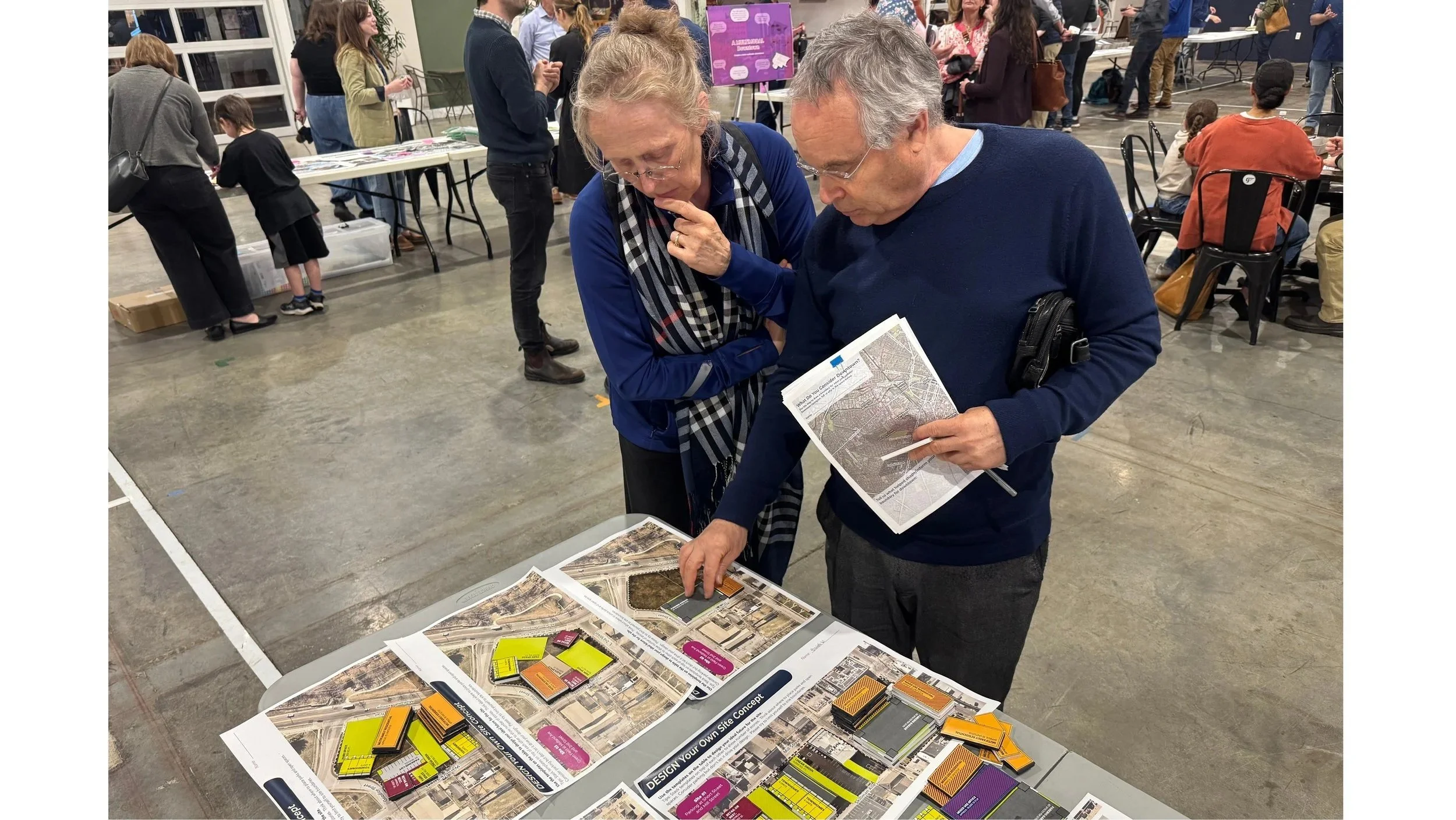
Co-Design Ideas for Downtown with Residents and Stakeholders
Engagement is more meaningful when residents co-design with planners rather than simply react to ideas developed by the planning team. Co-design is instrumental in helping residents see themselves reflected in the plan’s final ideas. It gives the community a more direct role in shaping ideas that the planning team can later test, develop, and ultimately incorporate into the plan.
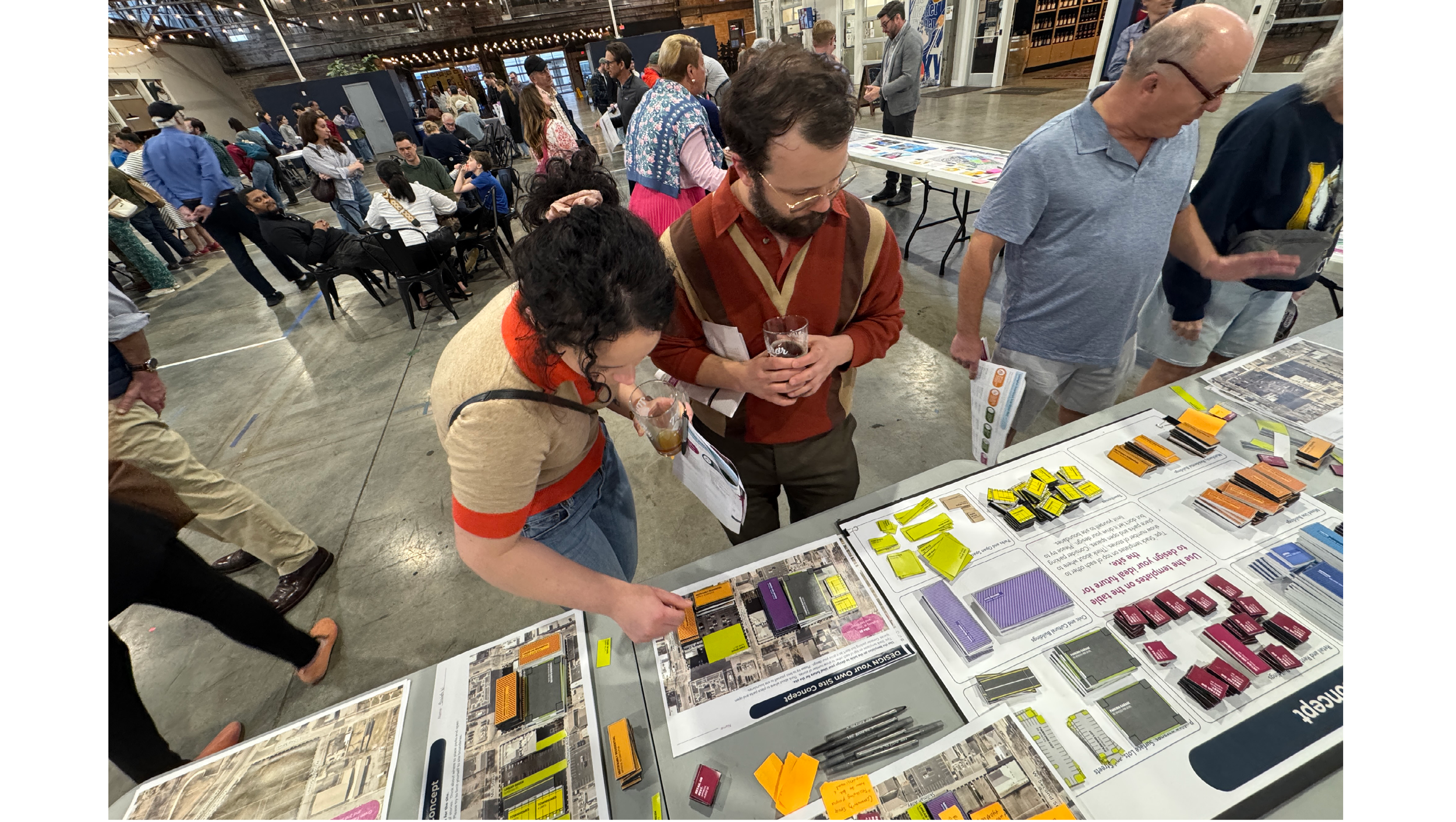
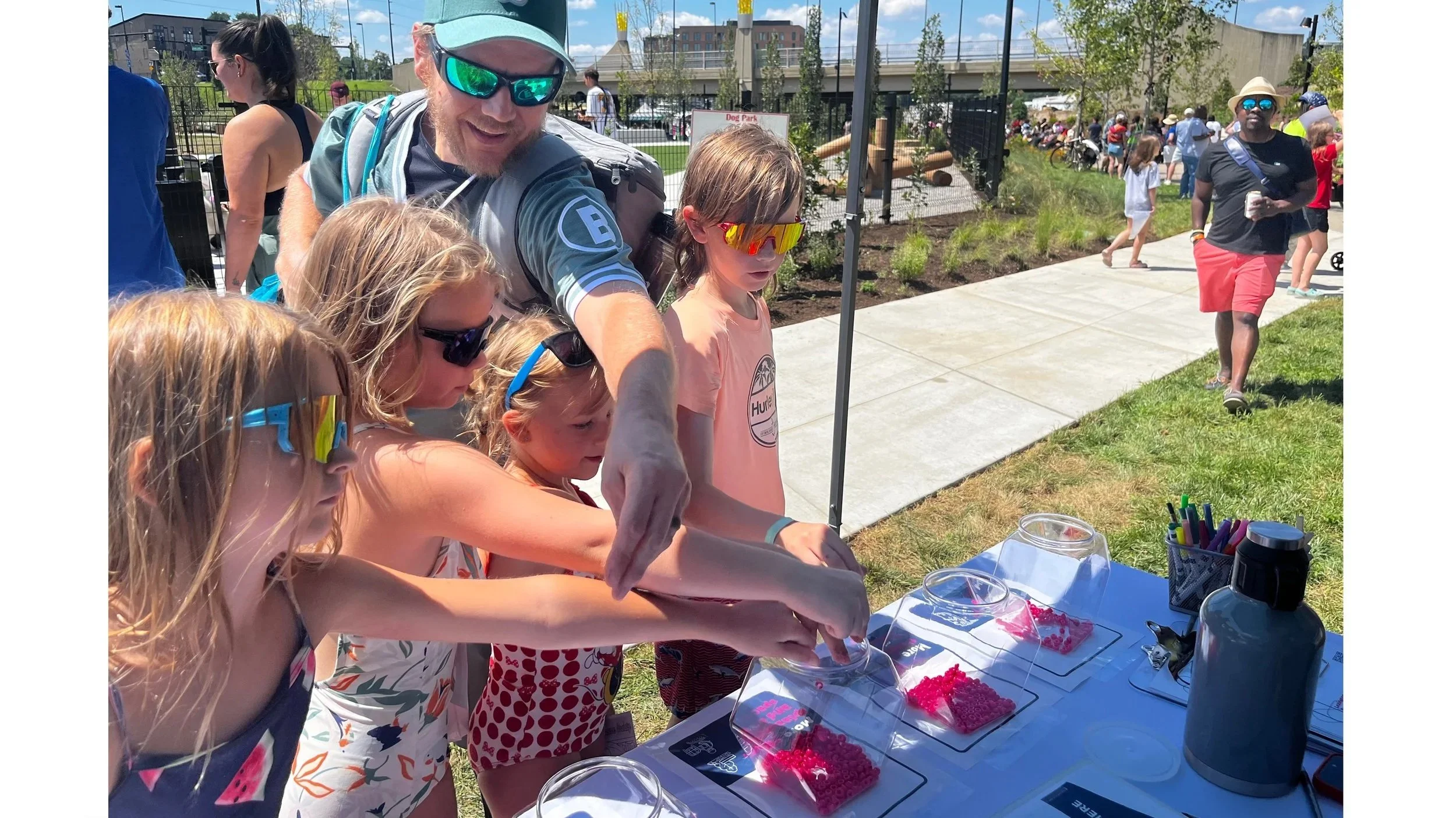
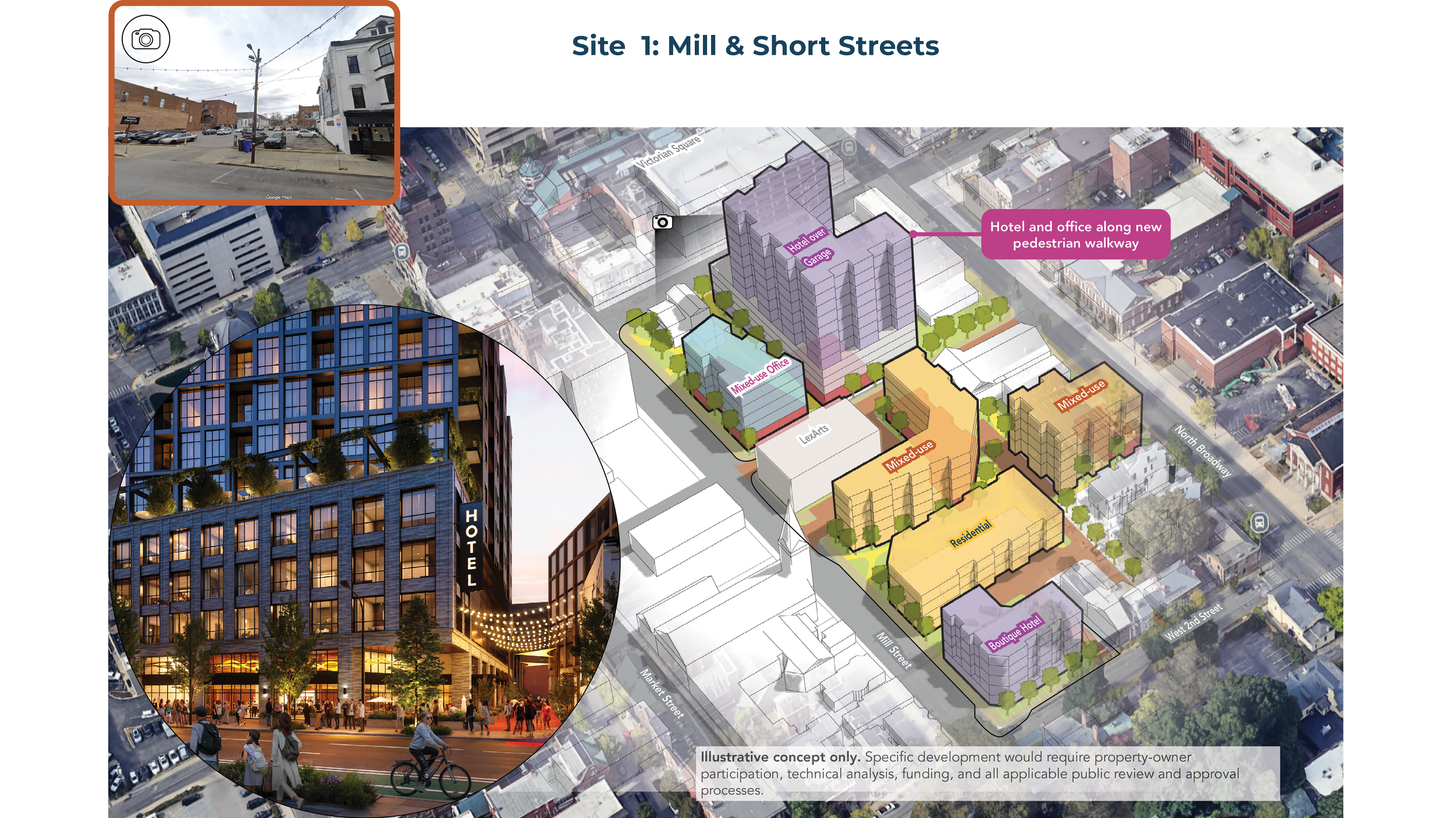
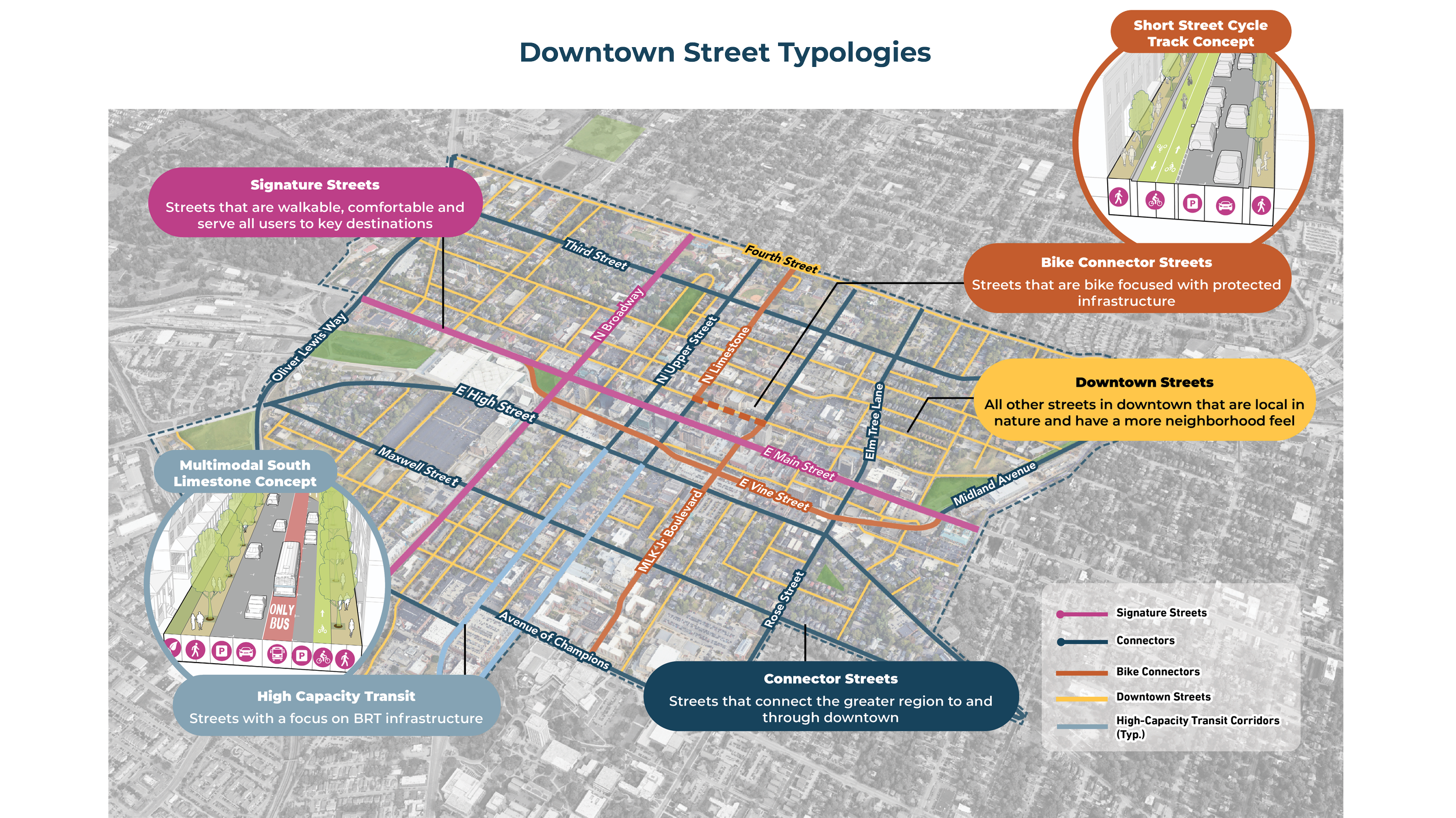
During the Downtown Designing phase, the Lexington process shifted from identifying priorities to actively developing potential solutions with the community. At the second interactive workshop, participants used kits of parts to design concepts for three catalyst sites and their ideal downtown street sections, developed policy ideas for supporting the unhoused, and allocated hypothetical budgets for park and open space improvements. These exercises gave participants a way to work through many of the same choices and tradeoffs the planning team was actively considering.
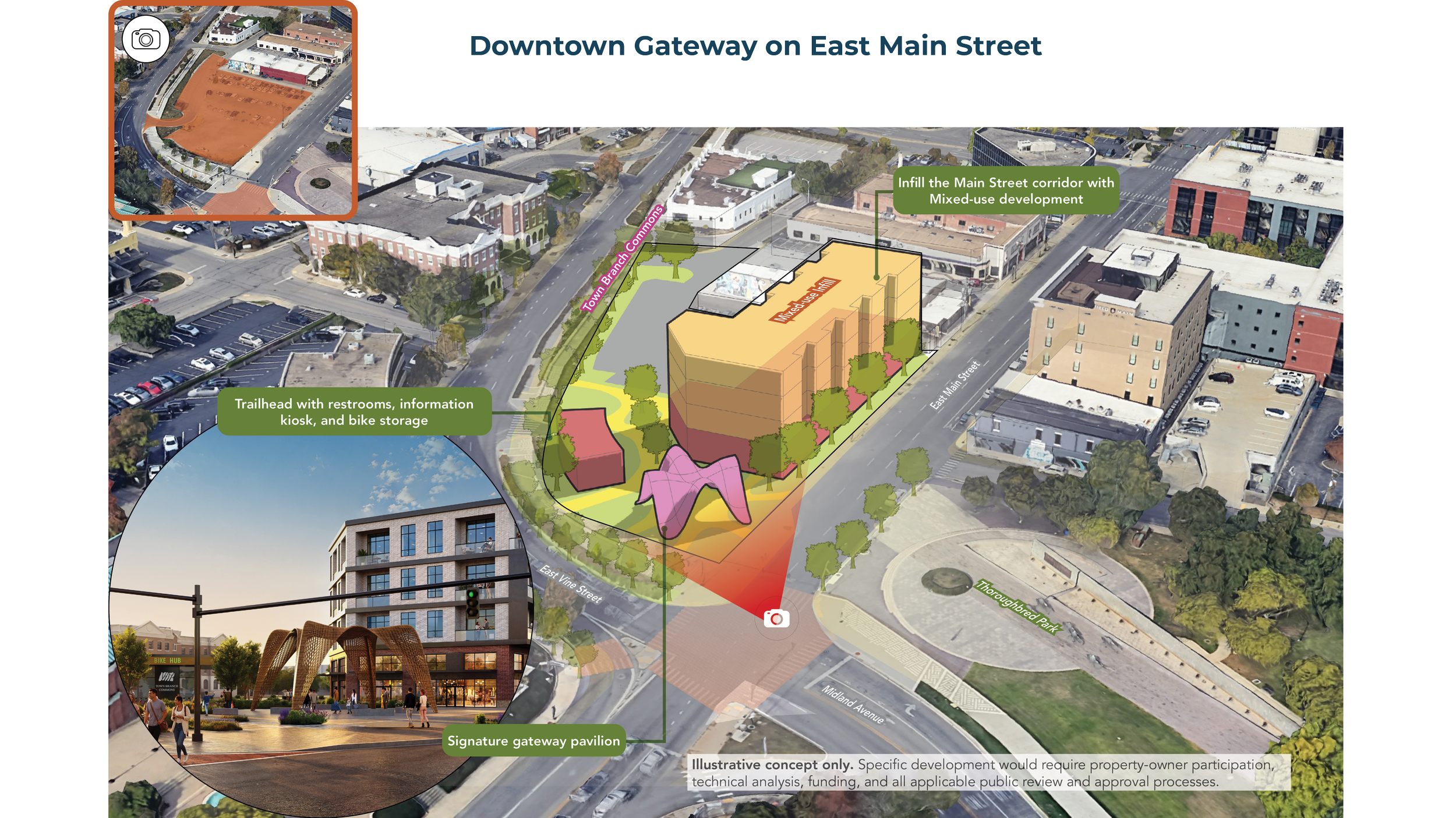
The purpose of these activities was not to turn individual community concepts into final designs, but to identify patterns across many participants and incorporate those priorities into more developed planning ideas informed by technical analysis. These community-created concepts helped clarify support for mixed-use infill, safer and more multimodal streets, additional trees and green space, pocket parks, and other improvements. The planning team paired those ideas with market, transportation, land use, and urban design analysis to develop feasible concepts and recommendations. For example, the final plan uses three catalyst sites to demonstrate how community-supported uses such as housing, retail, restaurants, improved connections, and gathering spaces could be incorporated into future redevelopment.
During the final Downtown Destiny phase, the planning team returned with more developed concepts for catalyst sites, open spaces, streets, and policy recommendations informed by the results of these activities. Participants were then asked whether those ideas reflected their priorities and what should be changed or improved before the plan was finalized. That feedback informed another round of refinement and shared critical implementation next steps, including actions that can be accomplished in the first 100 days after plan adoption.
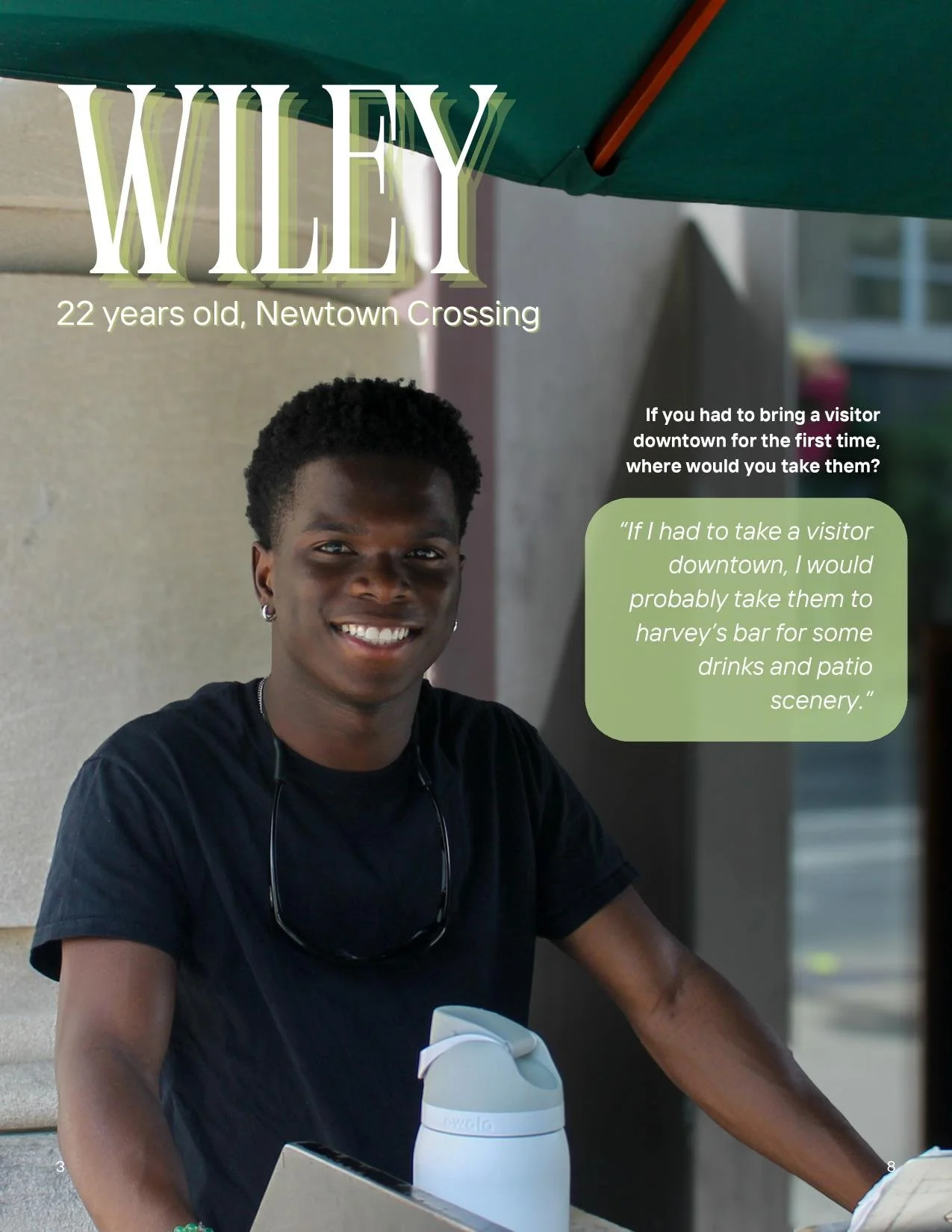
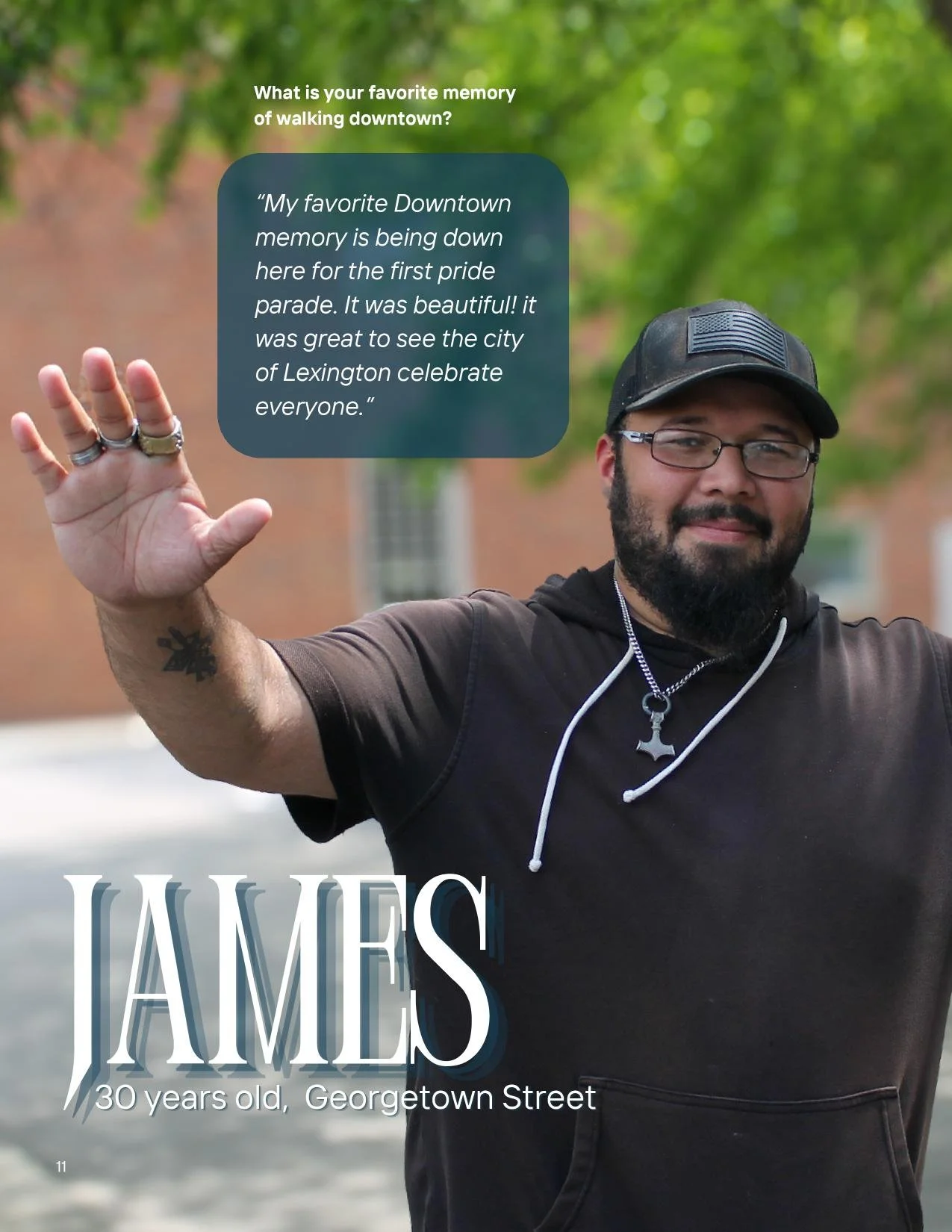
Above: Downtown Stories: The Stories Our Downtown From Every Day Lexingtonians, published June 2026
Meet People Where They Are
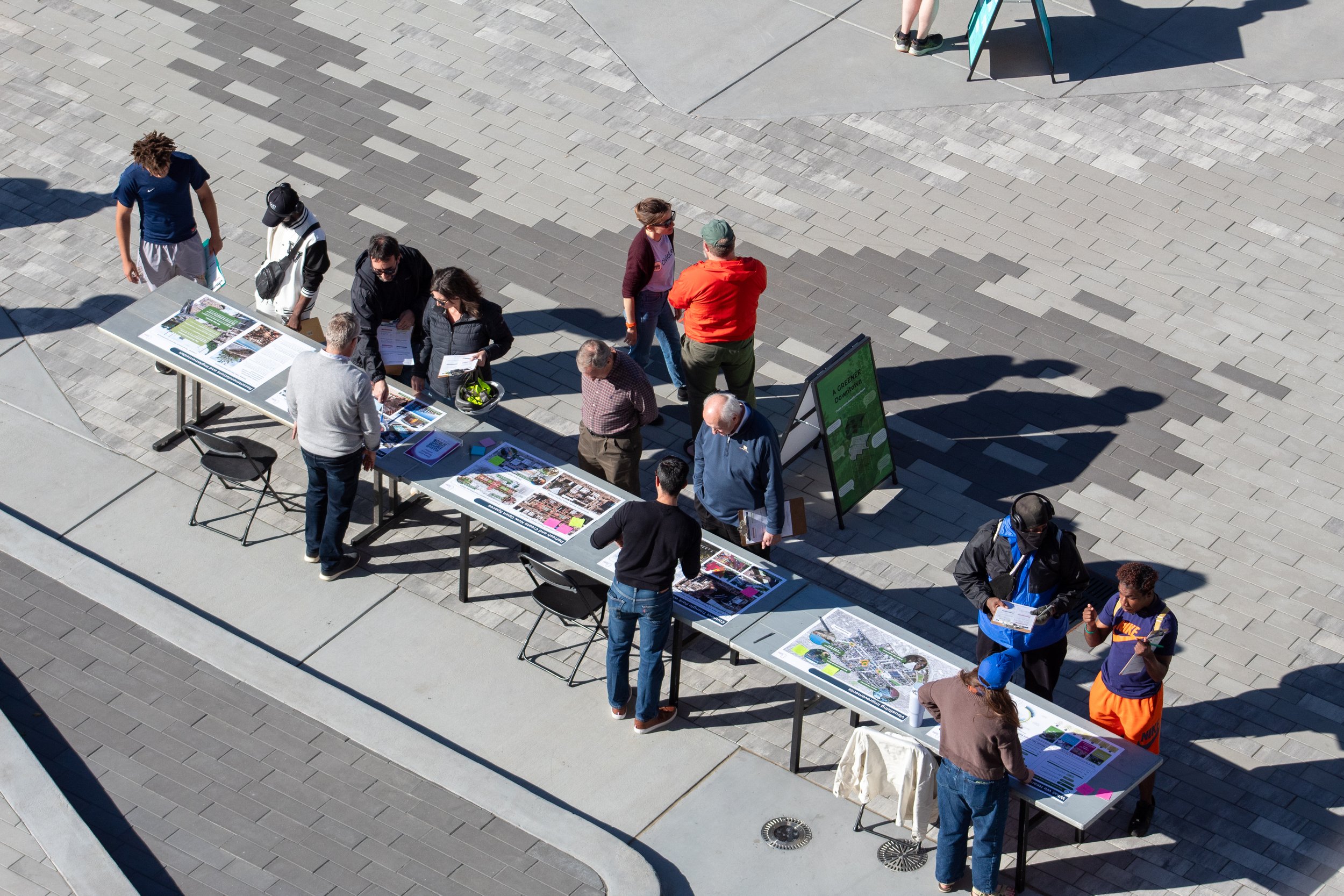
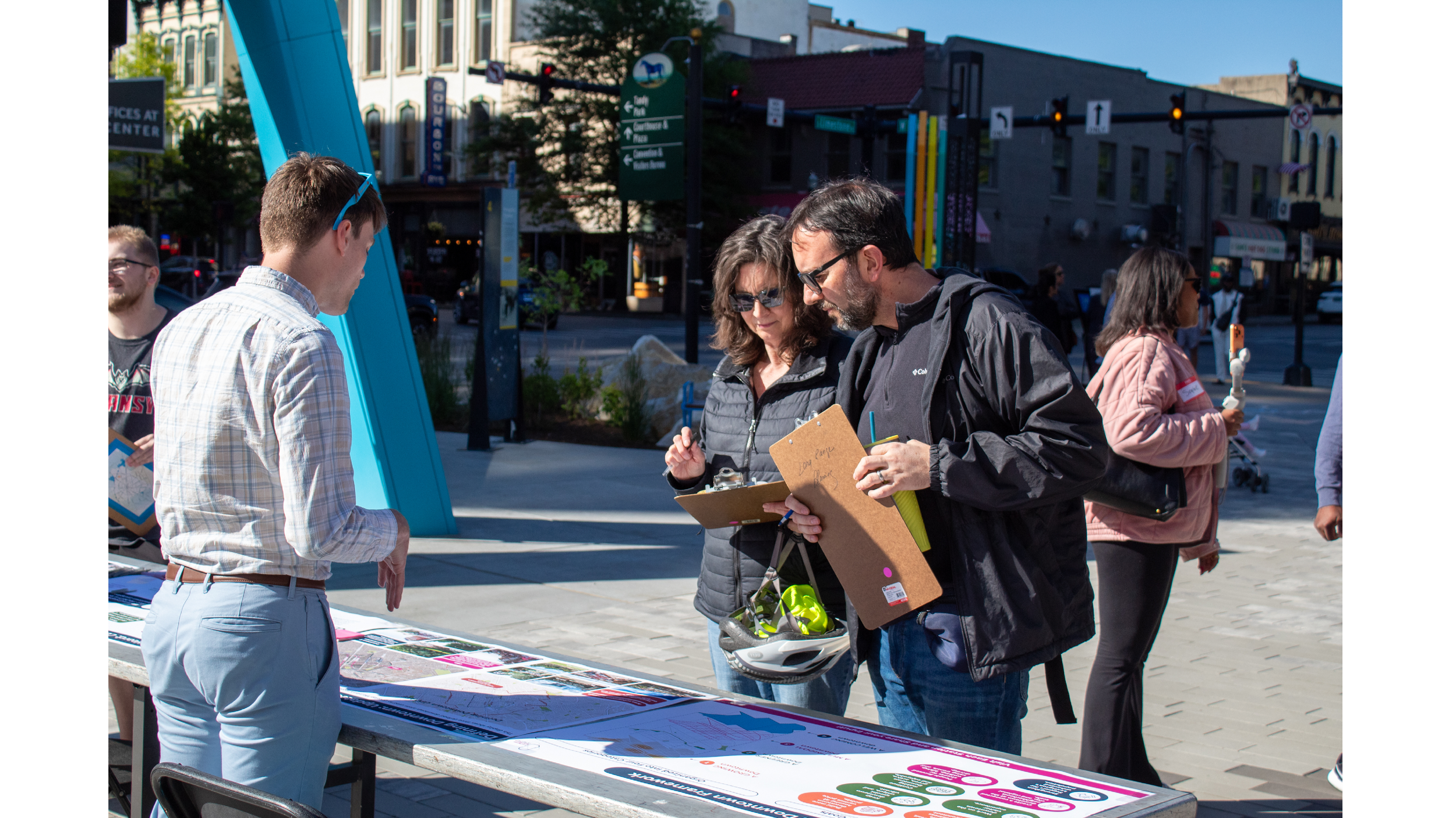
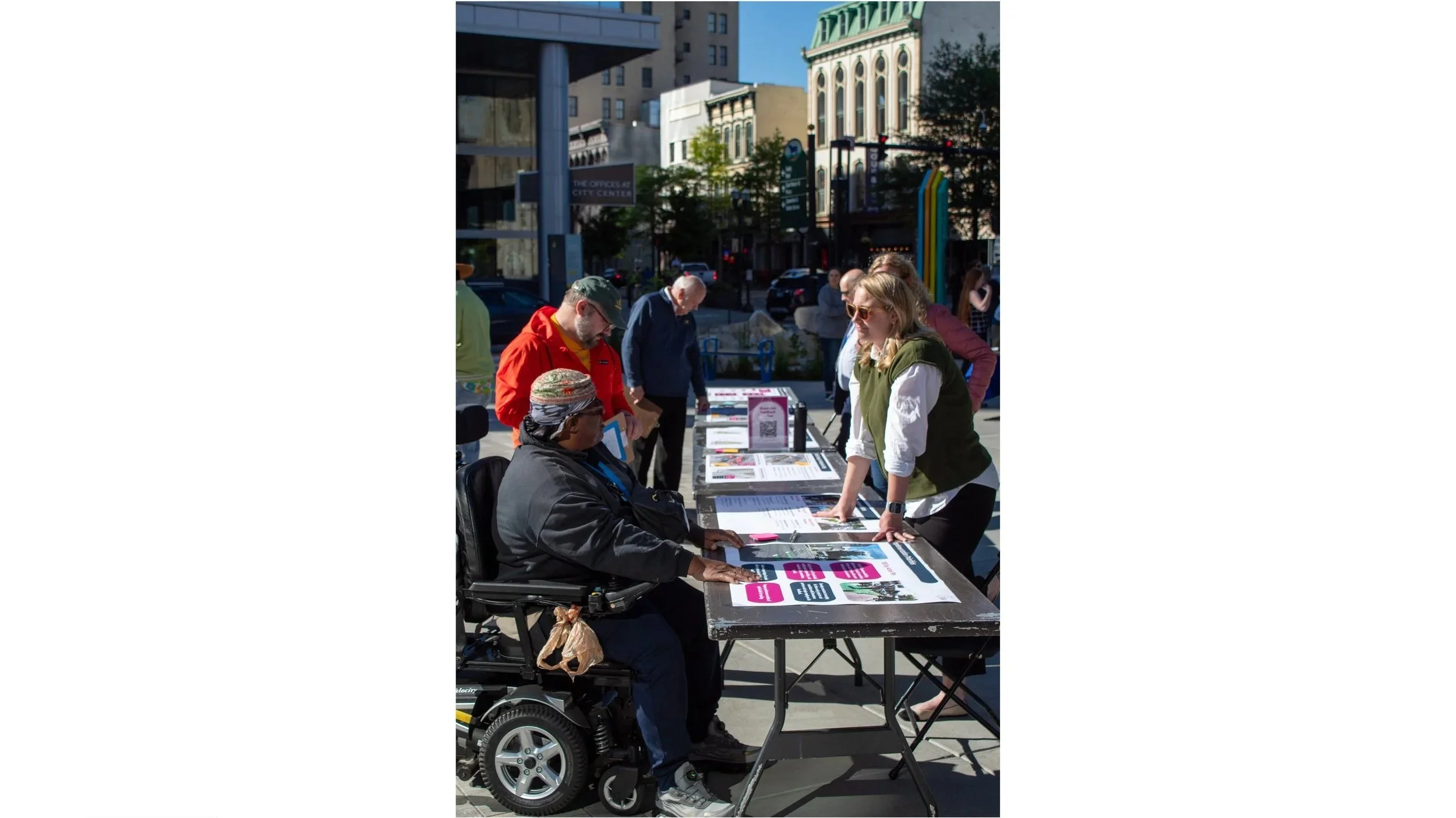
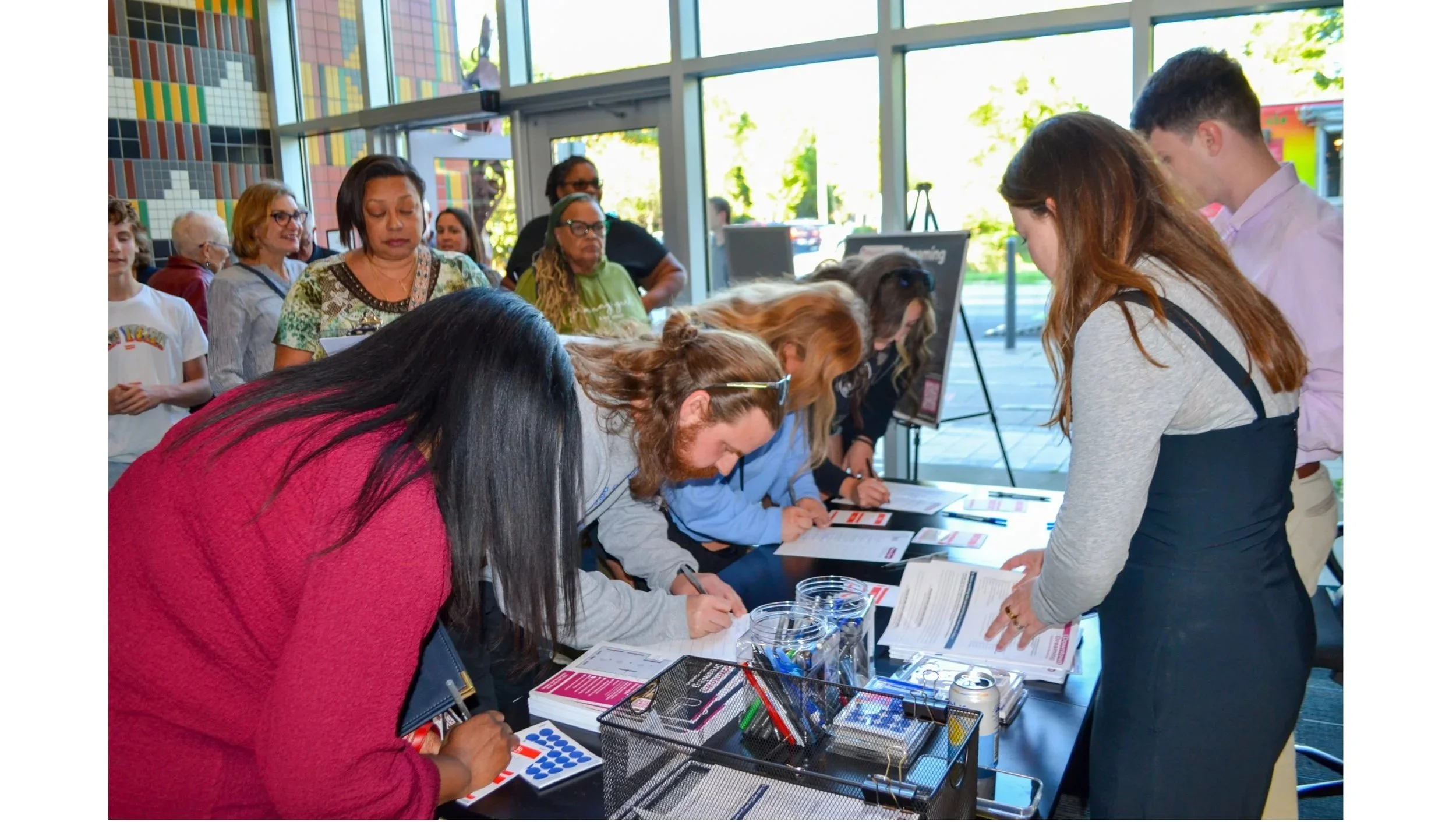
Hands-on planning also requires asking the right questions beyond a traditional public meeting. During the Downtown Lexington process, the planning team attended more than 20 neighborhood events and meetings and engaged more than 700 people through those activities alone. The team set up tables at community festivals, park openings, neighborhood association meetings, university events, and other gatherings across Lexington.
These settings created opportunities for more informal conversations with people who might not otherwise participate in a planning process. They also helped the team understand how perspectives differed across neighborhoods and groups. Residents in surrounding neighborhoods, for example, consistently emphasized the importance of protecting neighborhood identity and addressing displacement as downtown grows. Those priorities carried into recommendations related to neighborhood-scale zoning, connectivity, neighborhood-led planning, anti-displacement tools, and celebrating the identities of communities surrounding downtown.
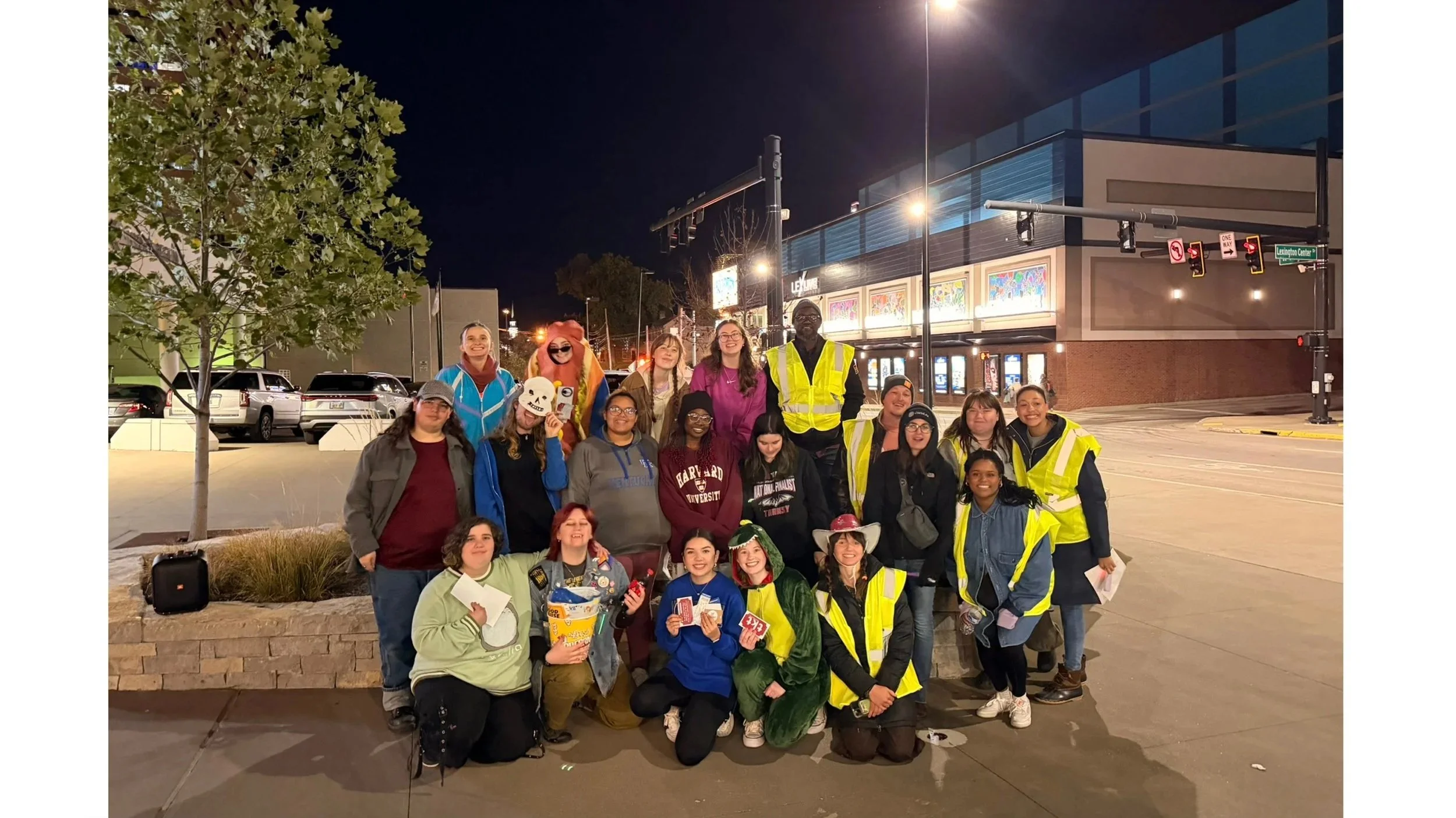
Importantly, the team also used targeted engagement to reach groups whose perspectives might otherwise not be included in a traditional planning process, including:
A nighttime scavenger hunt invited college and university students to explore downtown while answering questions about their experience.
Interviews with people experiencing homelessness and the organizations that provide services to them.
A Downtown Stories activity focused on capturing the memories and experiences of people encountered on downtown streets.
Tie Ideas Back to What We Heard
One of the most important parts of engagement happens after comments have been collected and participation numbers tabulated. As feedback is summarized, planning teams interpret the input received, compare it with the technical analysis conducted, and develop recommendations that both reflect community priorities and address planning issues. As this happens, it is crucial to tie those recommendations back to what we heard from the community, establishing a direct connection that reminds readers of the community’s role in developing ideas and co-designing concepts.
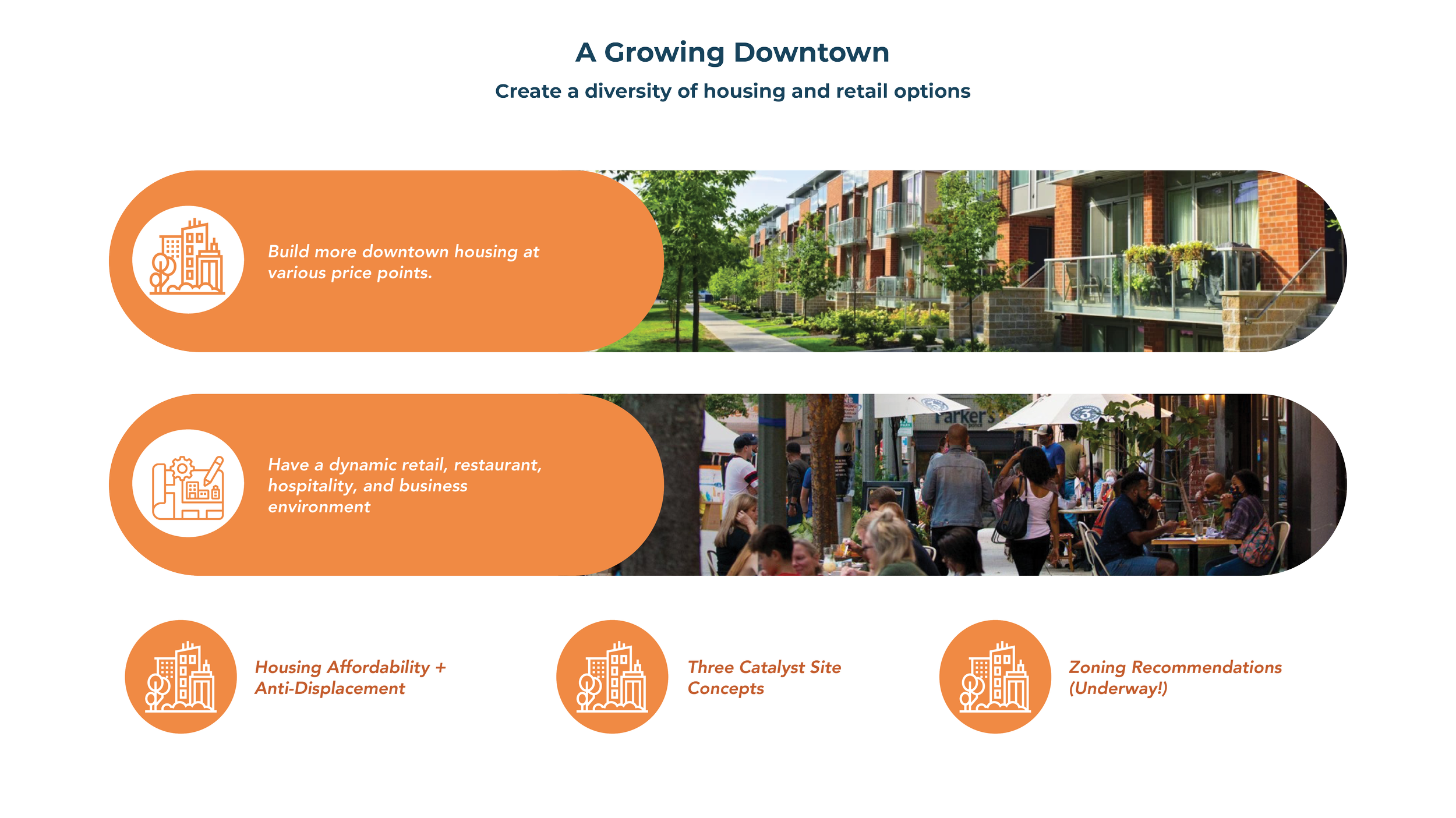
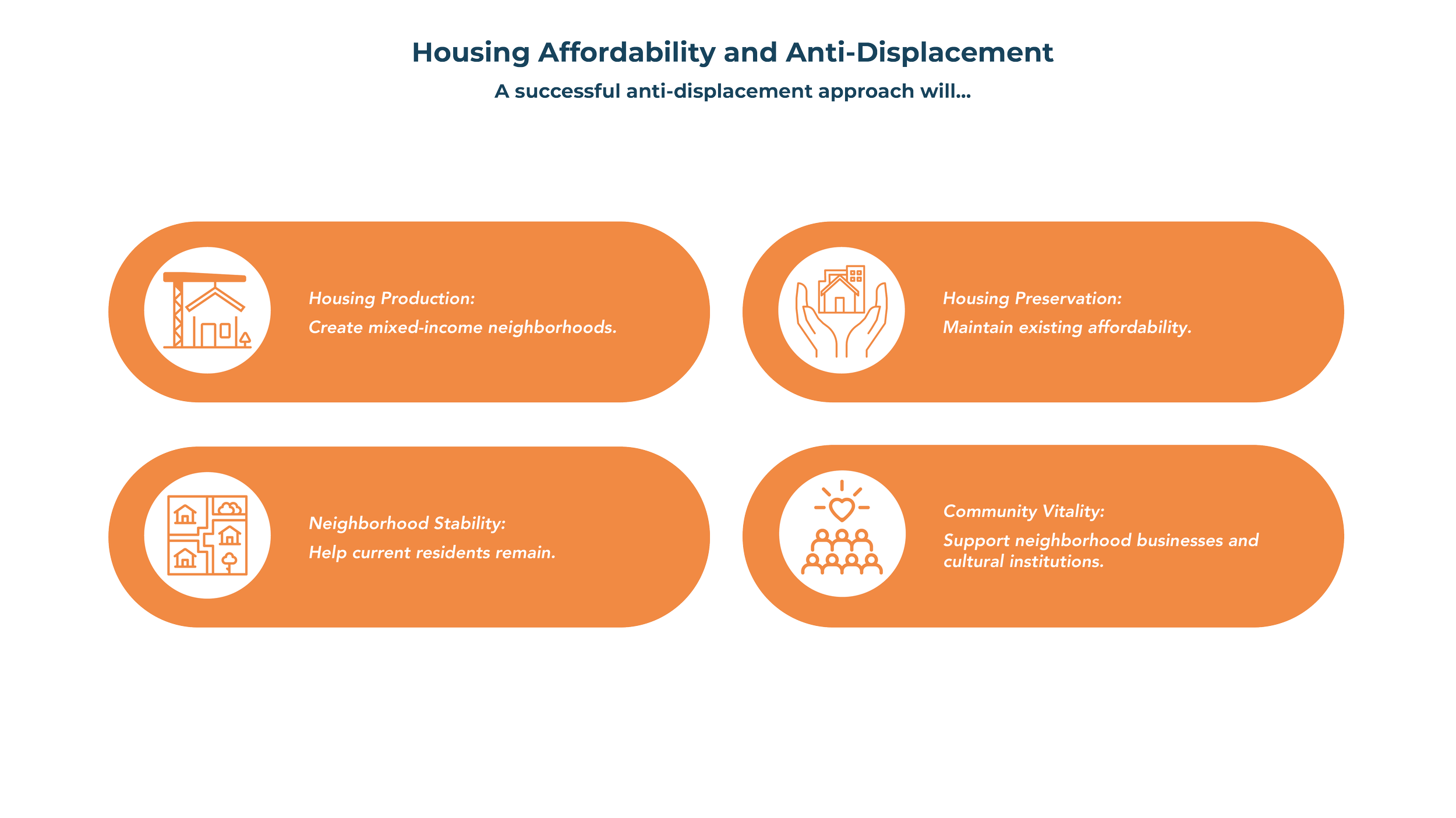
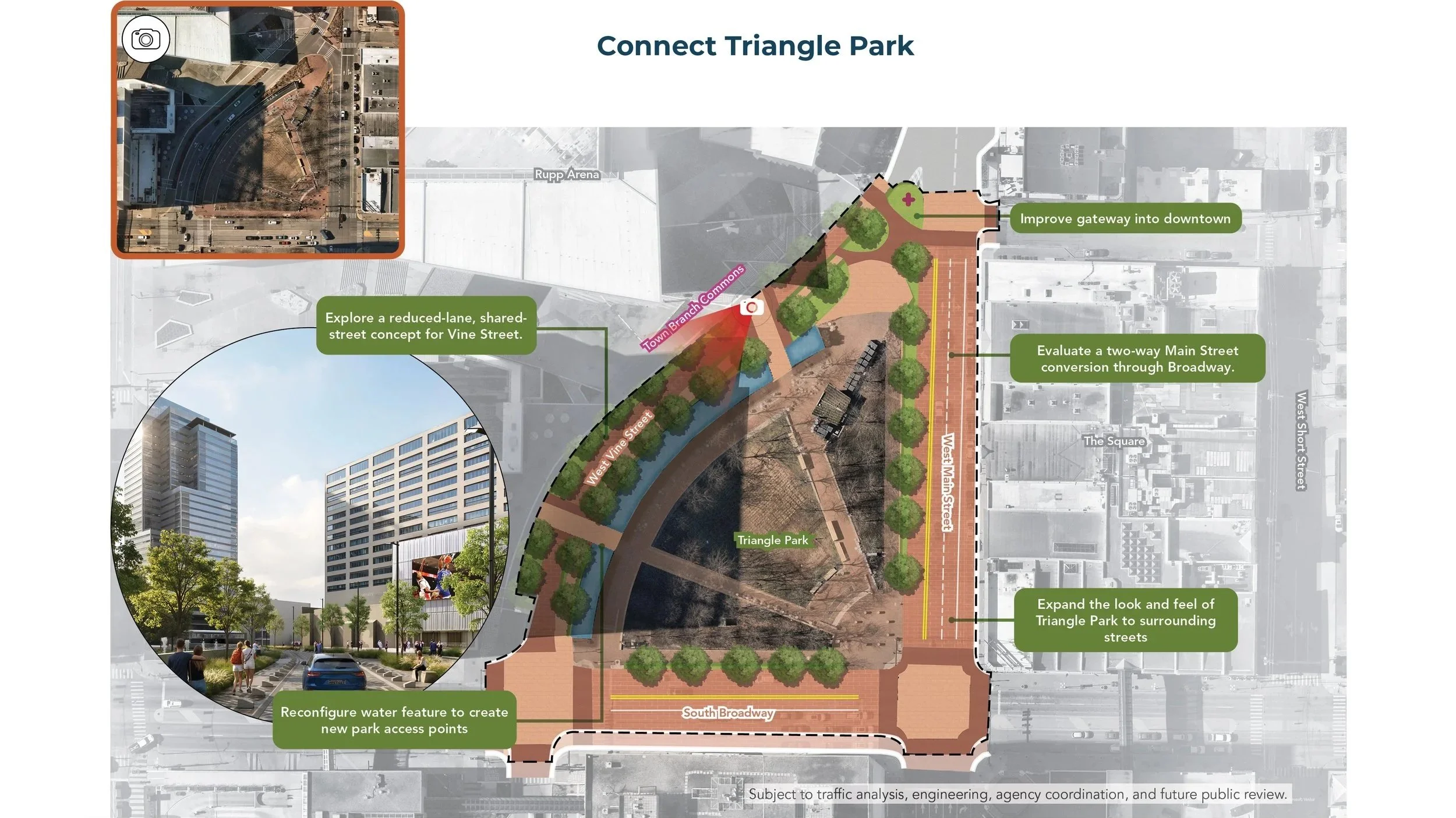
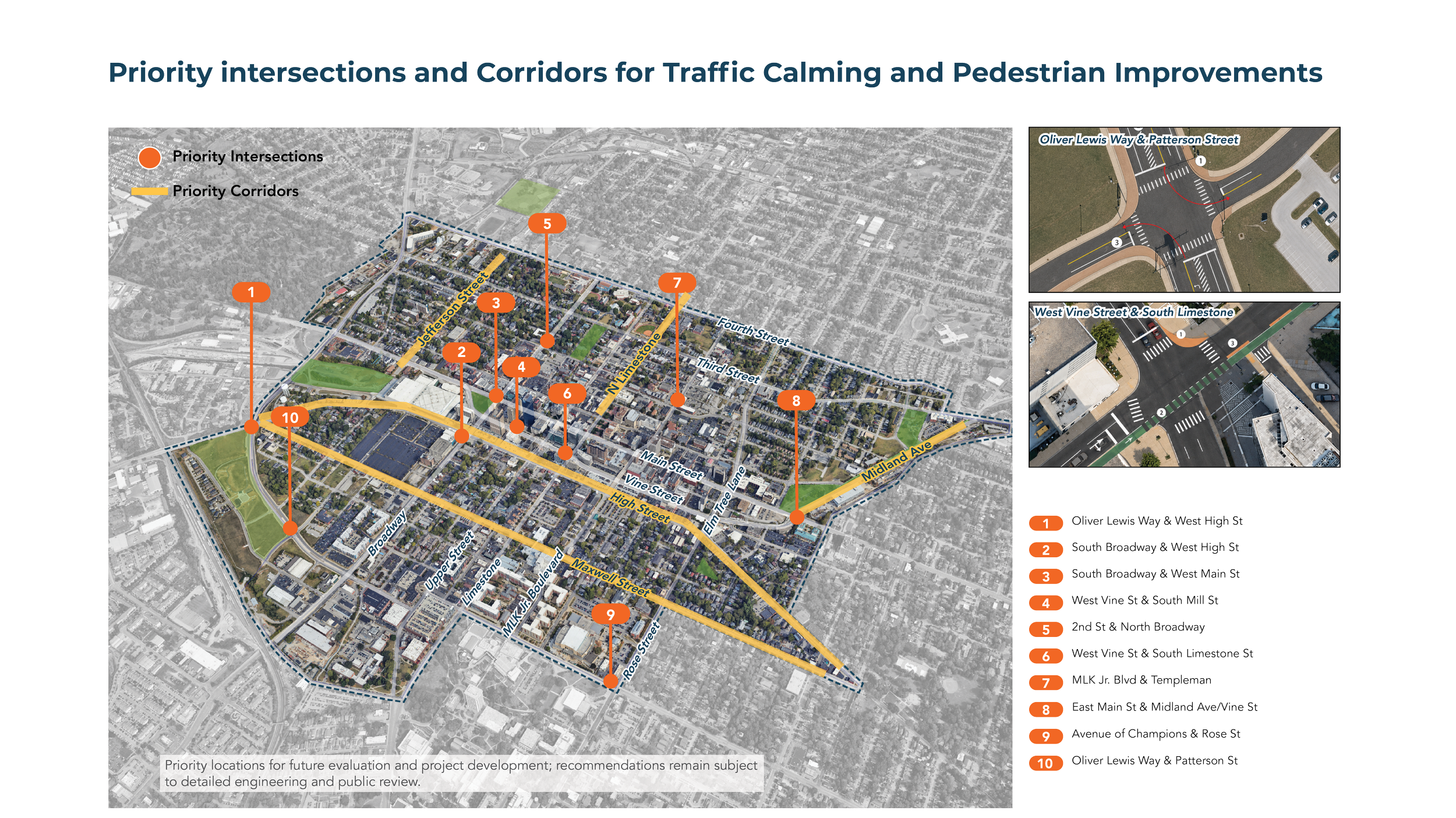
The plan’s eight project goals provide that direct connection between recommendations and engagement outcomes. They represent thousands of comments and conversations, but they also organize a much more detailed set of strategies and recommendations. For instance, community support for housing at different price points connects to recommendations for additional housing, zoning changes, affordability tools, and anti-displacement strategies. Interest in greener public spaces connects to recommendations for strengthening the tree canopy, building pocket parks, refreshing civic spaces, and creating new green connections. Concerns about high speed roadways and dangerous intersections connect to street typologies, safer crossings, protected bicycle infrastructure, traffic calming, and stronger transit connections.
This structure makes engagement results easier to trace through the plan after it is complete. A participant may not see their individual comment reproduced verbatim, but they should be able to recognize the broader priority it contributed to and understand how that priority moved from community input to a plan goal, strategy, and recommendation.
The Value of Hands-On Engagement
The Lexington Downtown Area Master Plan shows how engagement can move beyond collecting comments and become a more hands-on part of the planning process. The activities varied widely, from drawing downtown boundaries and building streets to allocating park budgets and sharing neighborhood stories, but they were connected by a common purpose: giving people meaningful ways to help shape the ideas being developed.
The value of that approach is not found in any single workshop or exercise. It comes from the cumulative process of asking, testing, designing, refining, and returning with more developed ideas. By the end of the yearlong process, more than 2,200 Lexingtonians had participated in creating a plan organized around goals and concepts they themselves had a hand in crafting, designing, and refining.
About the Author:
Luis Calvo, AICP, is an Associate Principal at MKSK based out of our Atlanta office. He blends his architecture background with urban planning expertise to guide transformative downtown, corridor, and public space planning across the Midwest and South. Known for his ability to communicate complex planning concepts through compelling graphics, storytelling, and public dialogue, he works closely with elected officials, stakeholders, and interdisciplinary teams to craft long-term visions that are both aspirational and achievable. As an advocate of community-driven planning, Luis emphasizes the use of creative public engagement tools to energize residents and their communities. He is inspired by the unique character of urban neighborhoods and the people who shape them, and he is passionate about creating places that are walkable, vibrant, and enduring.