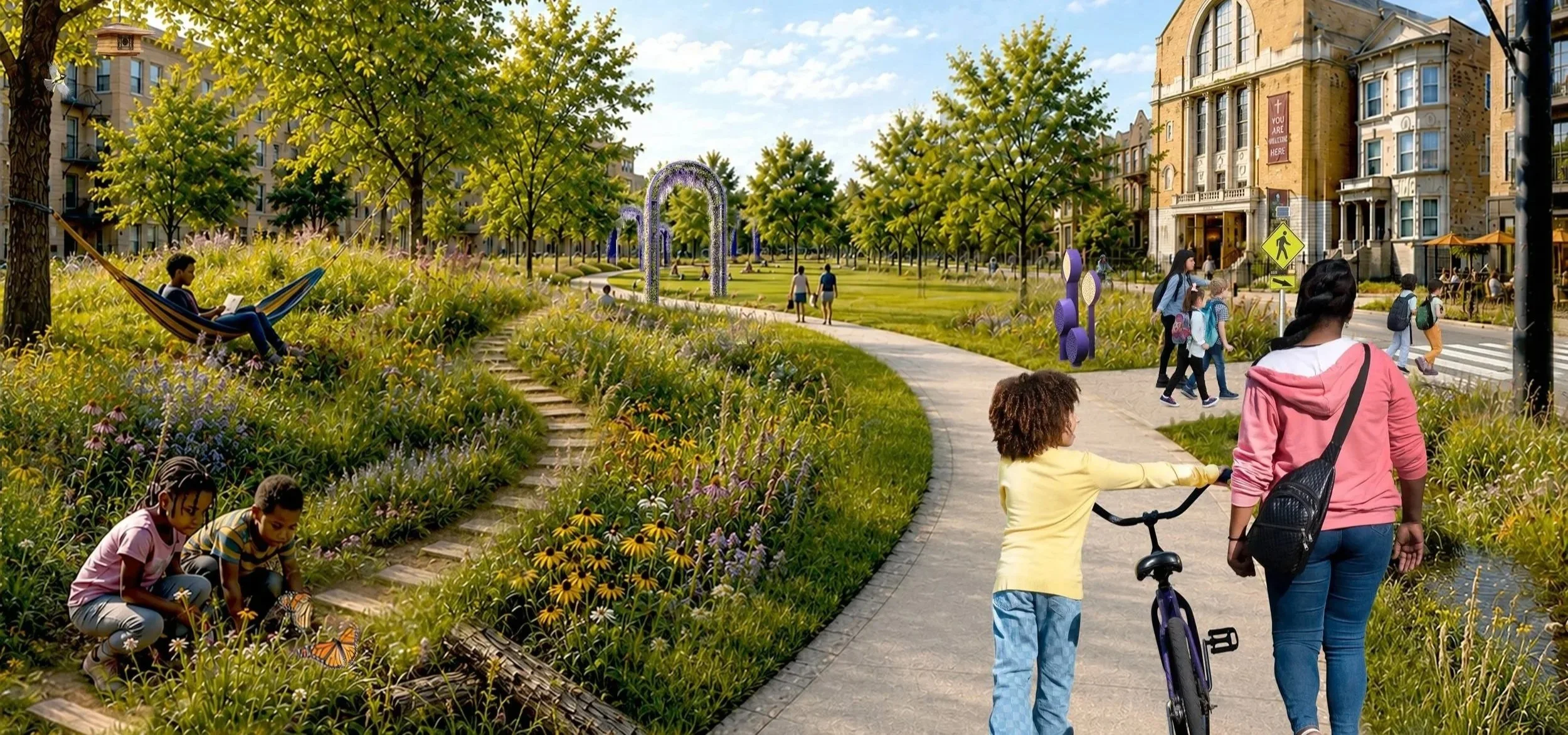
Wonderways: A Winning Vision for Chicago’s Boulevards
This September, MKSK was selected as the co-winner of the World Business Chicago Horizon Lines competition with their submission “Wonderways!”. Through the competition, MKSK explored how the city’s historic boulevard system might evolve from a series of simple boulevards to an innovative collection of civic and climate infrastructure commons; responding to community needs while mitigating the impacts of climate change.
Chicago has a long history of big ideas that have shaped the future of the city. Previous generations reversed the Chicago River to protect public health and preserve a lakefront that would remain “forever open, clear, and free.” These were ambitious acts of city building, but they were also direct responses to the defining the challenges of their time.
In 2026, World Business Chicago invited a new generation to dream big. Horizon Lines: Visions for Chicago 2050 prompted Chicagoans to imagine transformative ideas capable of strengthening the city’s economy, quality of life, and resilience over the next 25 years. MKSK was selected as the co-winner of the World Business Chicago Horizon Lines competition with the submission “Wonderways!”. Through the competition, MKSK explored how the city’s historic boulevard system might evolve from a series of simple boulevards to an innovative collection of civic and climate infrastructure commons; responding to community needs while mitigating the impacts of climate change.
Nearly 200 ideas were submitted, reflecting a remarkable range of perspectives for Chicago’s future, and six finalists were selected to develop their ideas further and bring them into public view. The great ideas were only a starting point. Horizon Lines paired finalists with civic leaders, experts, and potential partners to evolve the strongest ideas through further discussion, collaboration, and iteration.
Horizon Lines inspired a question for the MKSK team: What if the infrastructure Chicago needs for its future is already sitting in plain sight?
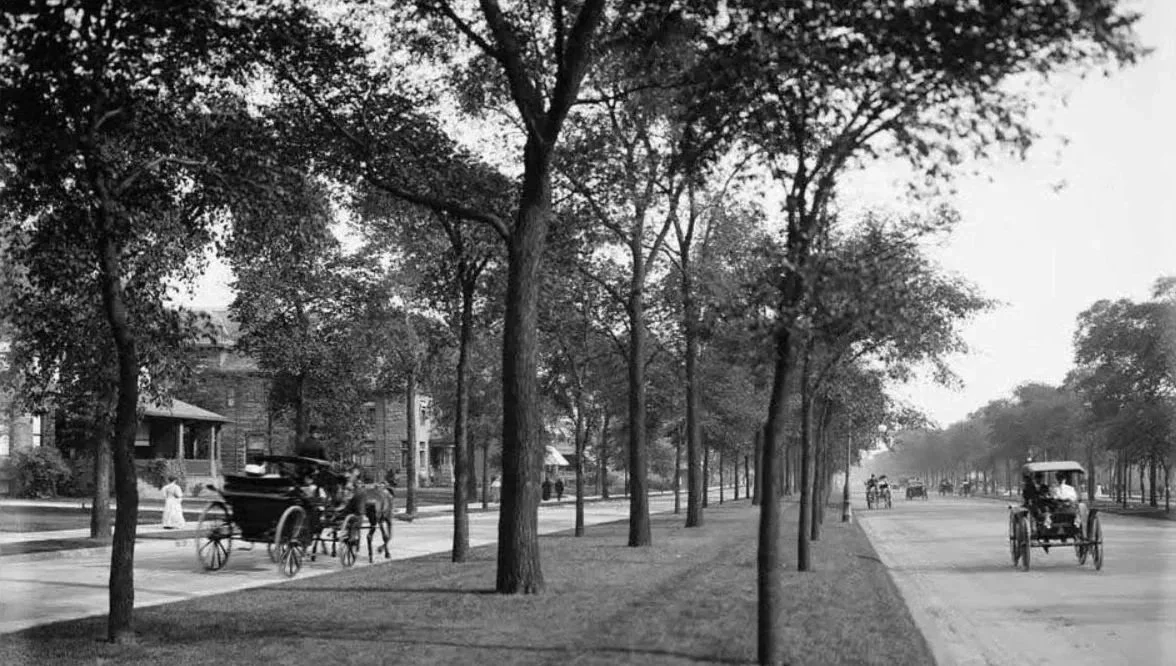
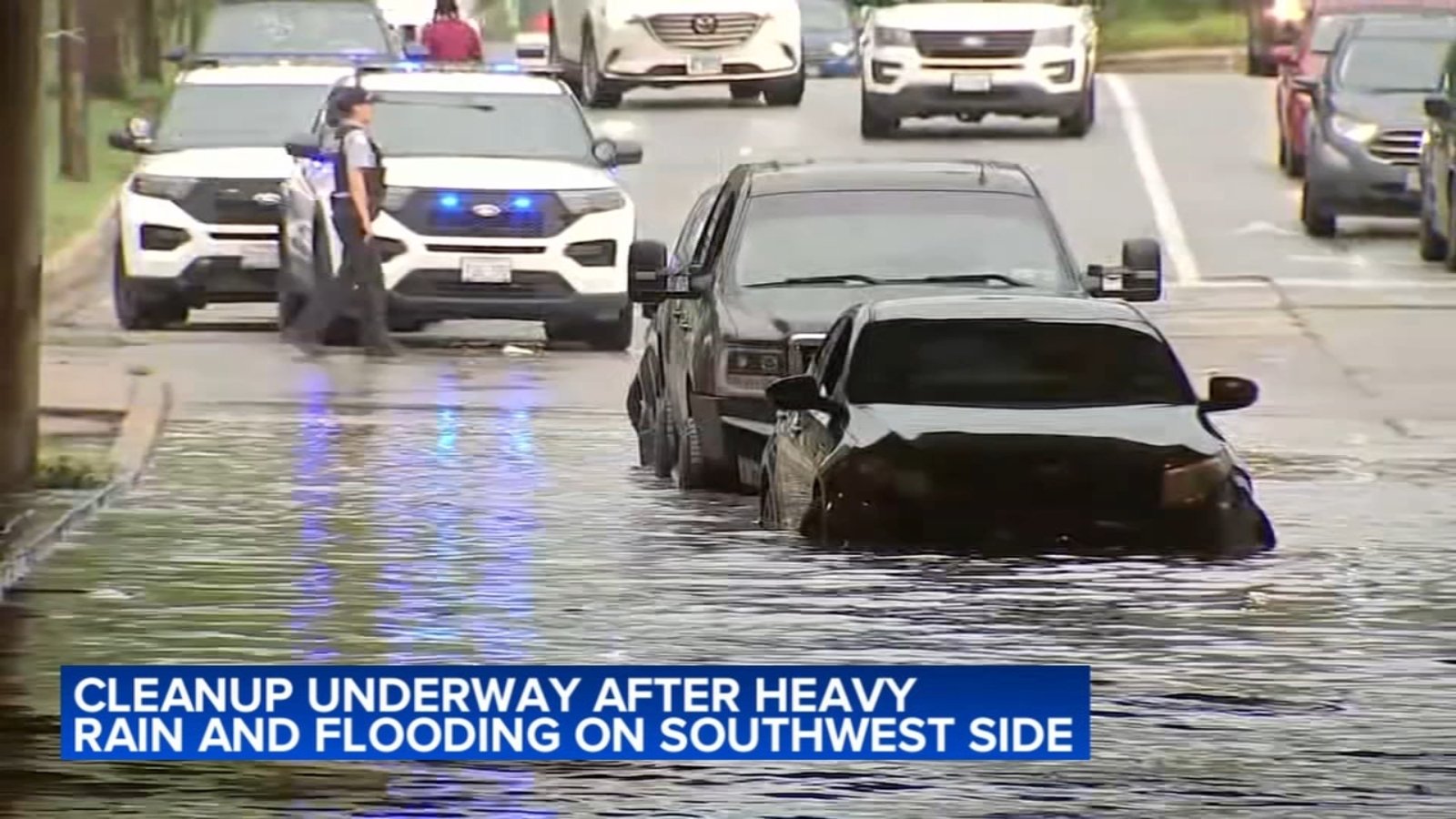
150 Years Later
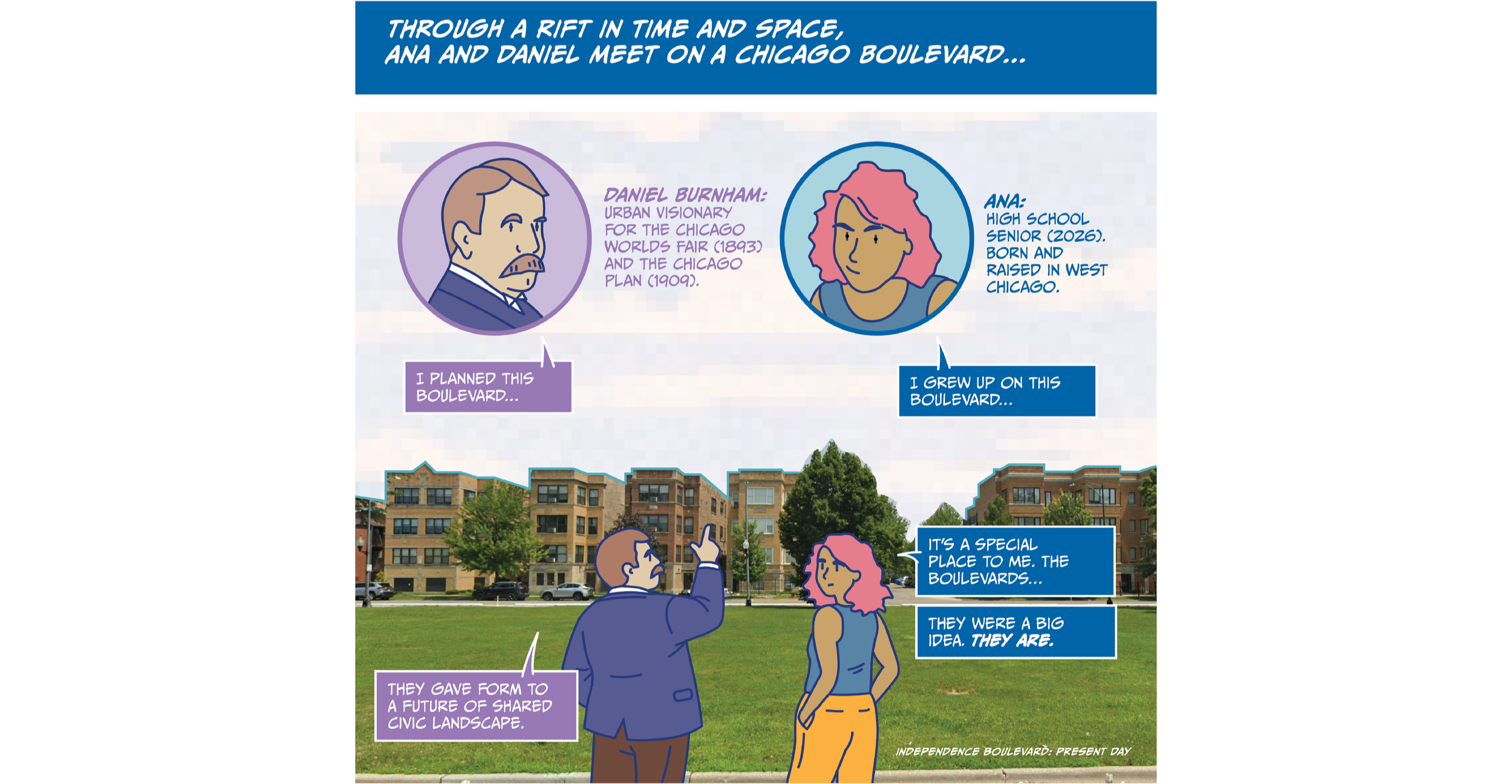
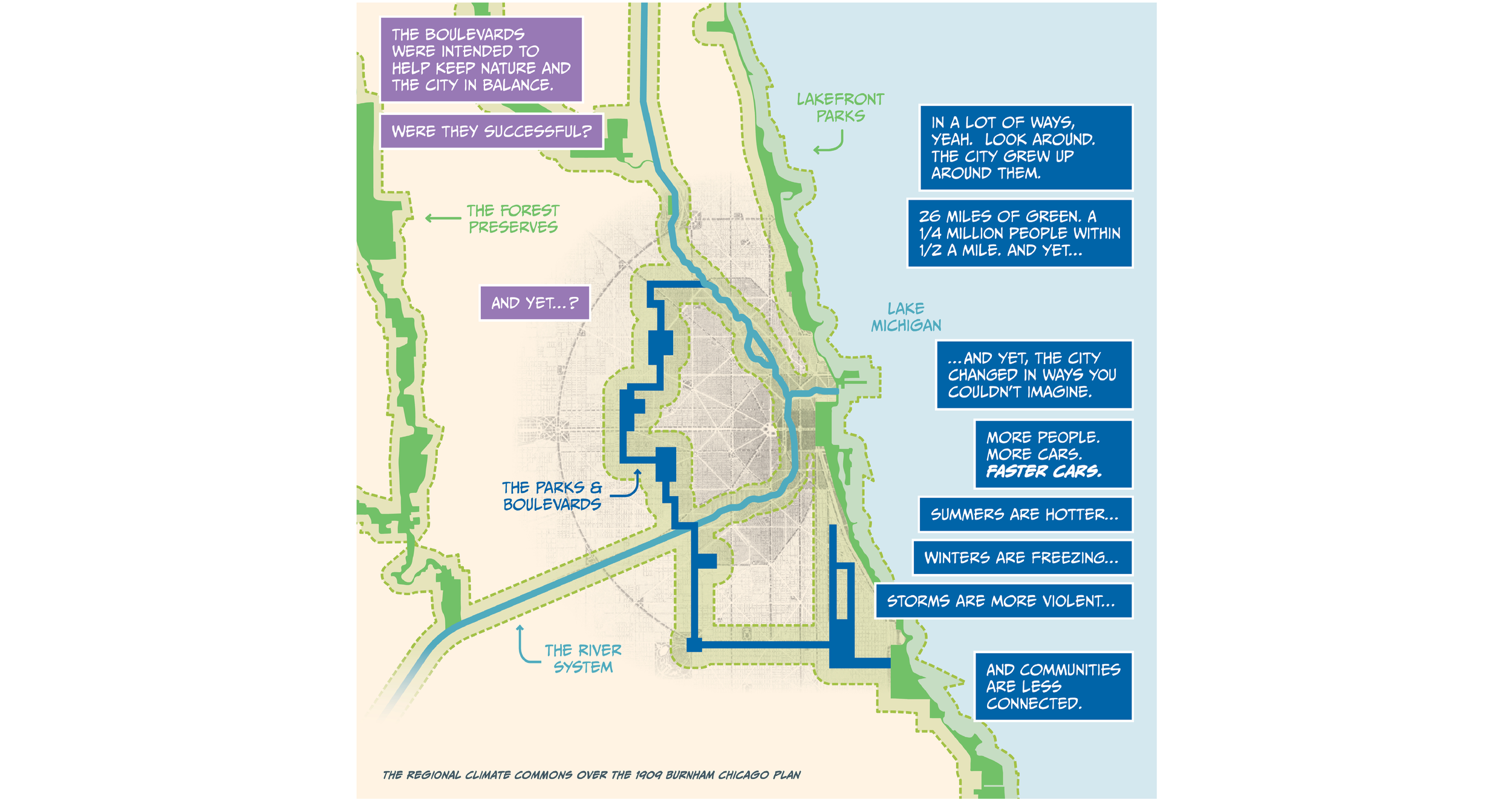
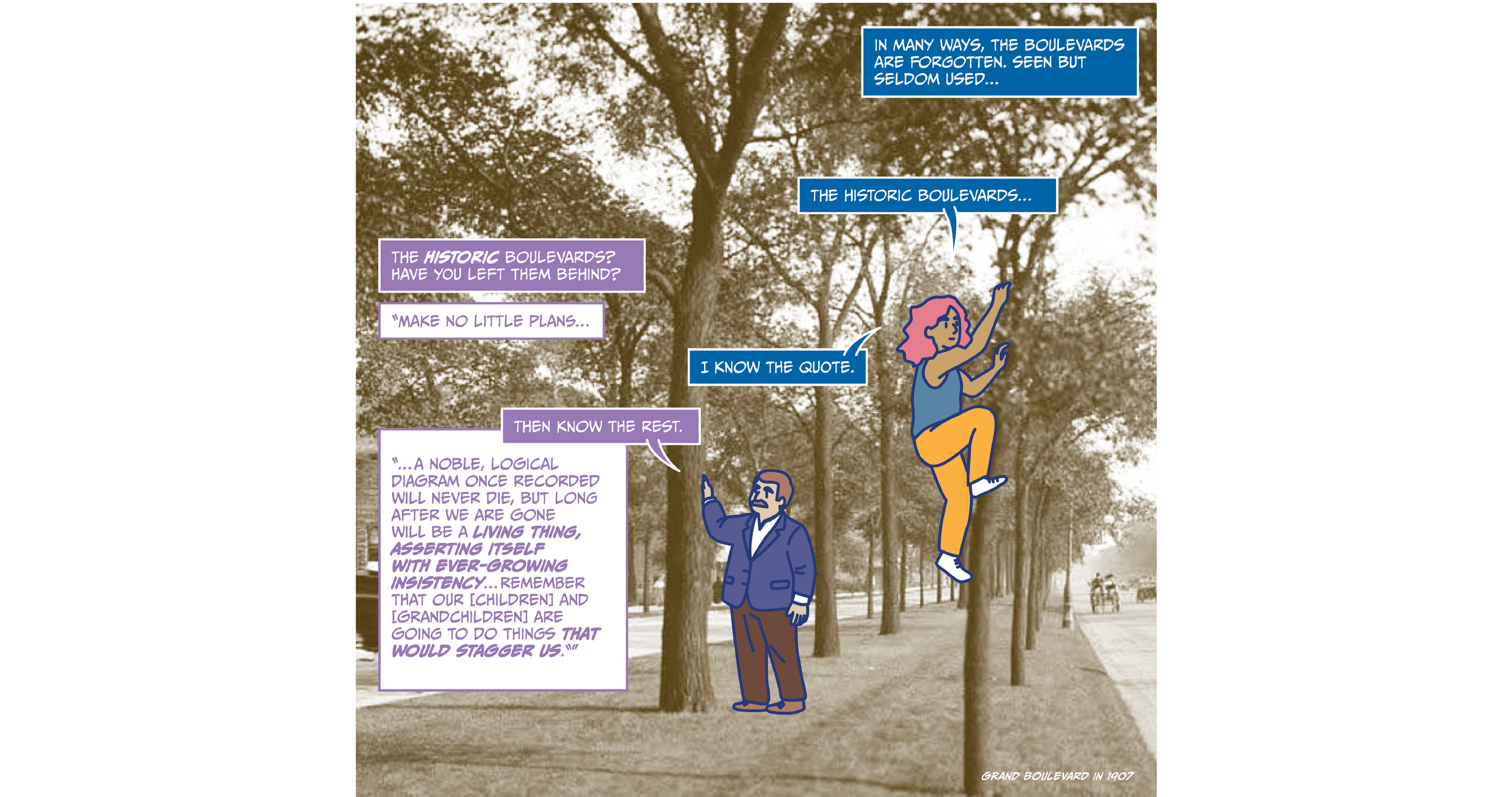
More than 150 years ago, Chicago created a boulevard system: a green ribbon of generous public landscapes that connected parks and neighborhoods across the city. Readily accessible to Chicago’s rapidly growing and urbanizing neighborhoods these open spaces allowed residents access to fresh air, green space, and their neighbors. The system remains one of Chicago’s great civic assets today. But the job we need it to do has changed.
Today, Chicago faces hotter temperatures, more intense storms, recurring flooding, and stark differences in tree canopy and access to quality public space from one neighborhood to the next.
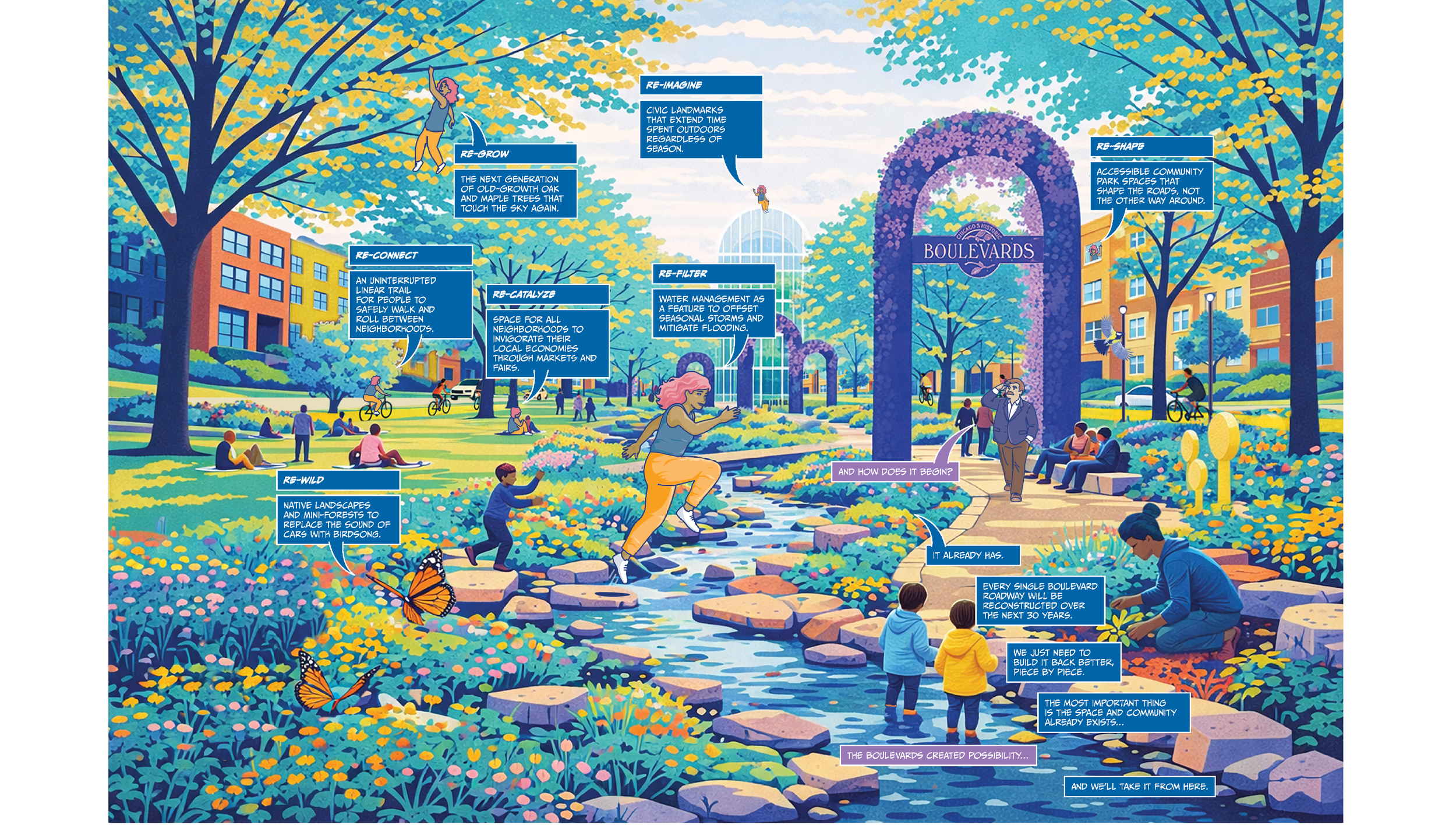
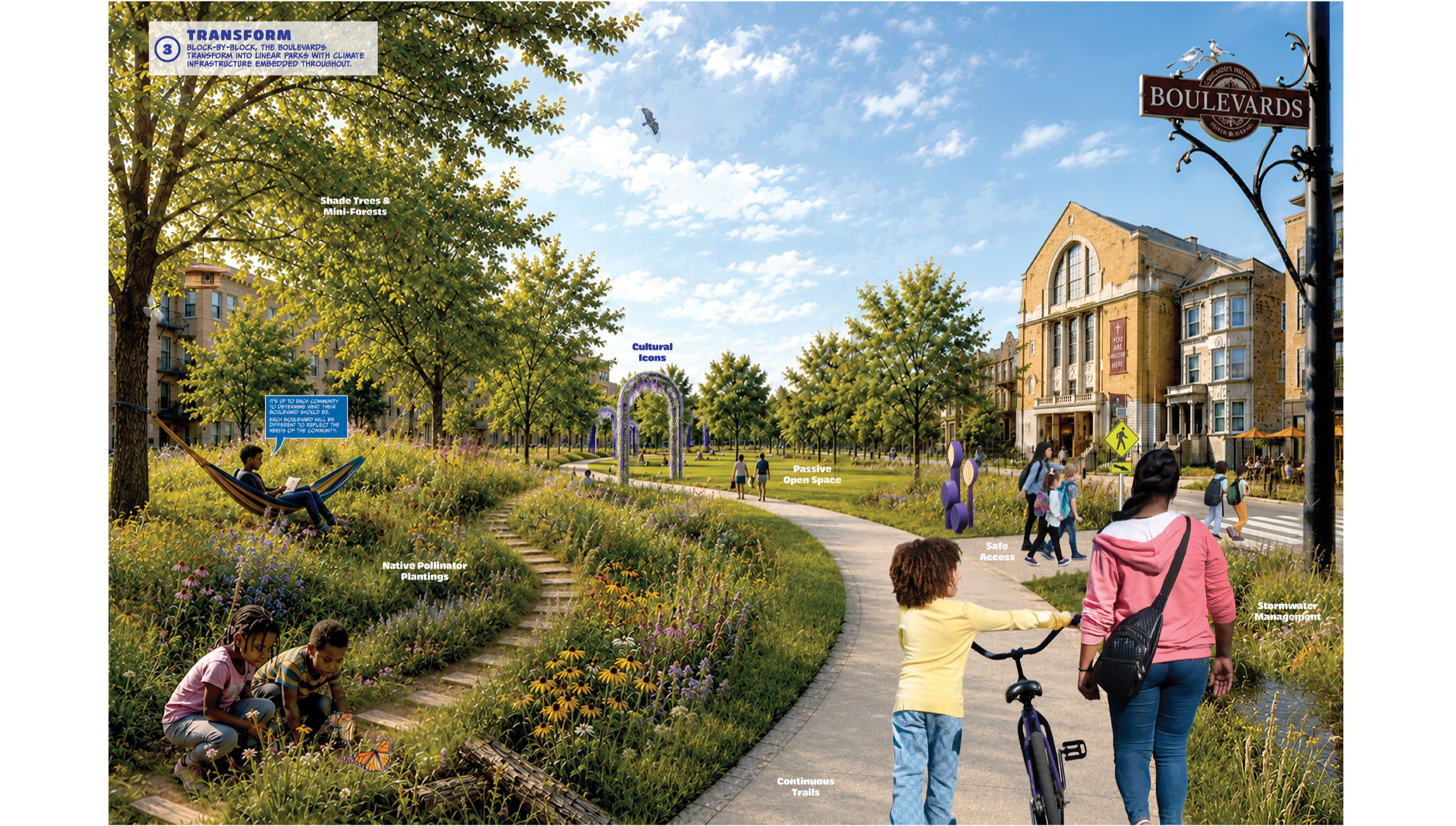
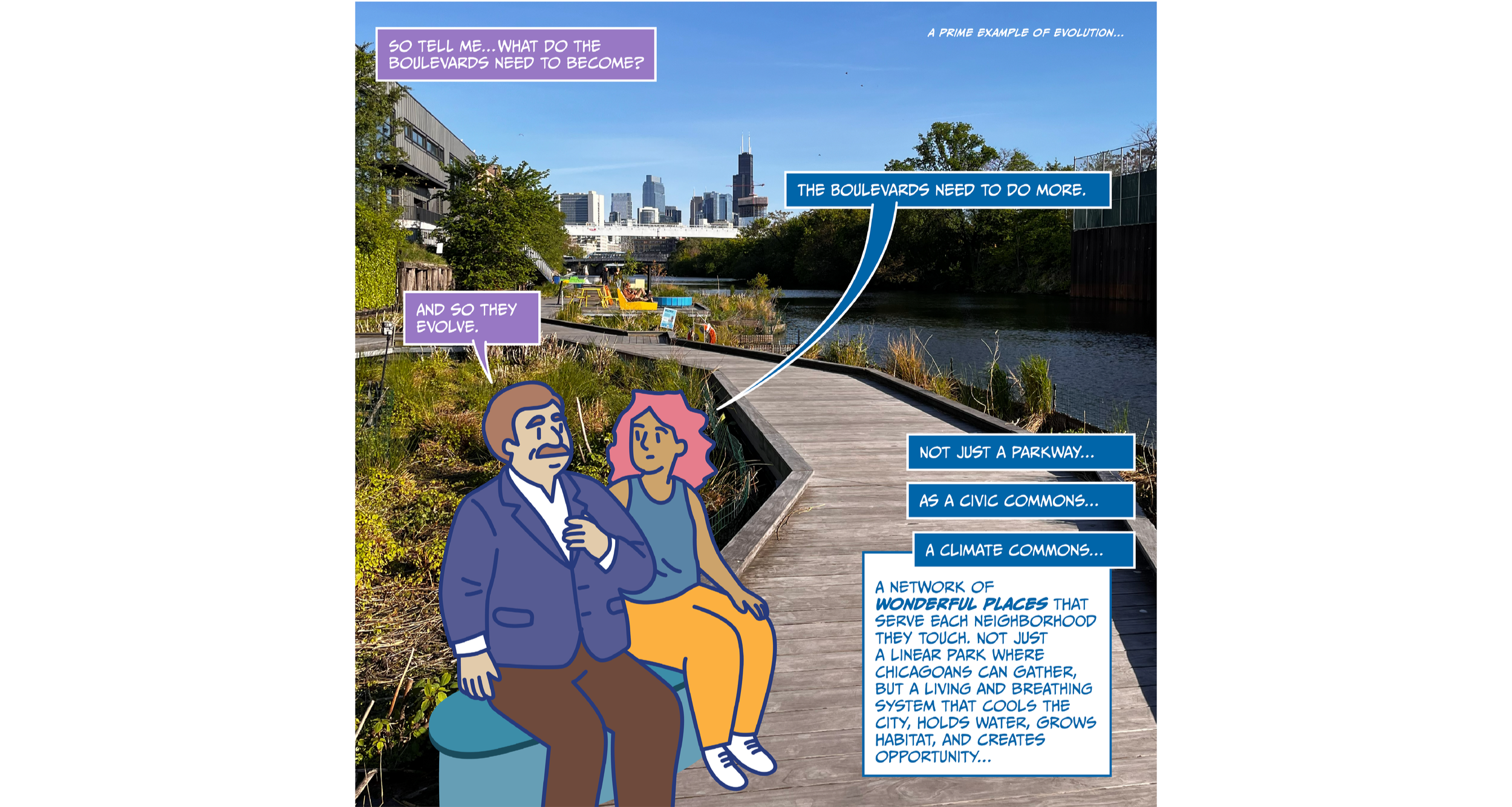
MKSK’s submission, “Wonderways” reimagines 26 miles of boulevards as a regional Climate Commons, a network of linear parks and connected landscapes that cool neighborhoods, manage stormwater, restore habitat, and provide urban residents ready access to nature-based ecosystems; it’s climate infrastructure you can touch.
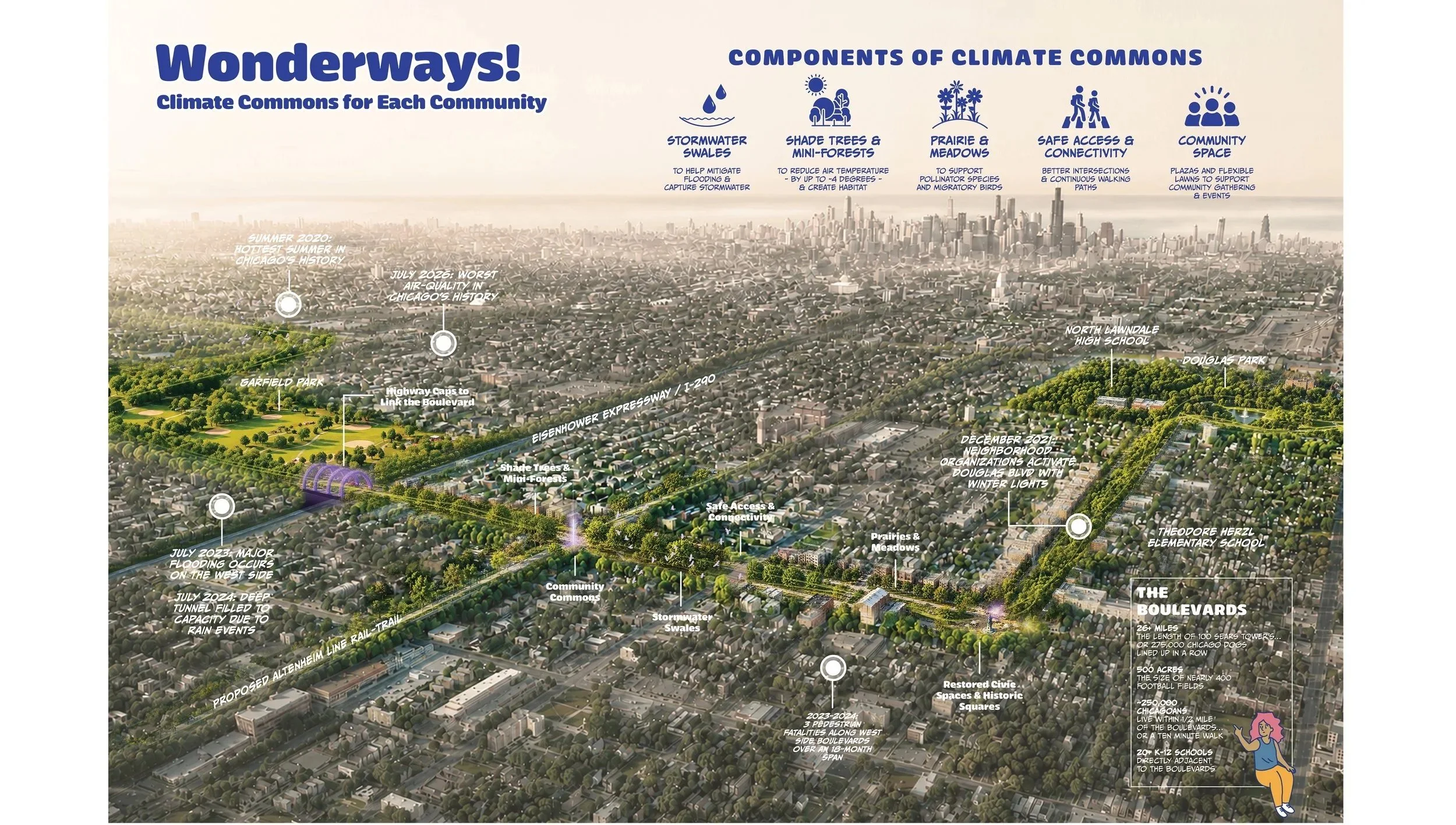
The idea is strategically layered: trees that provide shade while storing carbon, prairies and wet meadows that manage stormwater while rebuilding soil health, gathering spaces that bring the community together, trails that make it easier to walk and bike between homes, schools, parks, and businesses. It feels like a shaded walk to school, coffee with a neighbor beneath a tree, birds returning to a restored landscape, or a place to sled after a Chicago snowstorm.
Six Finalists
From 200 submitted big ideas, narrowed down to 6, Wonderways shifted from the design studio into public view, joining the other top ideas in a Chicago Cultural Center exhibition that invited Chicagoans to join the conversation about their city’s future. From there, public comment, jury review, and a feasibility forum at the Chicago Architecture Center pushed the finalists to confront a different question: What would it take to move these big ideas forward?
How would different boulevards respond to localized neighborhood conditions? Who would maintain and steward the system? What would take the idea from a compelling vision to a feasible pilot?
The proposal evolved to place greater emphasis on incremental transformation, community stewardship, and the coalition necessary to make Wonderways possible. Advancing a connected vision will require municipal leaders, community organizations, regional partners, nonprofits, and foundations working toward a shared mission. It will also mean treating implementation differently: each capital project becomes a contribution to something larger, piece by piece, instead of standing alone.
A Place to Start
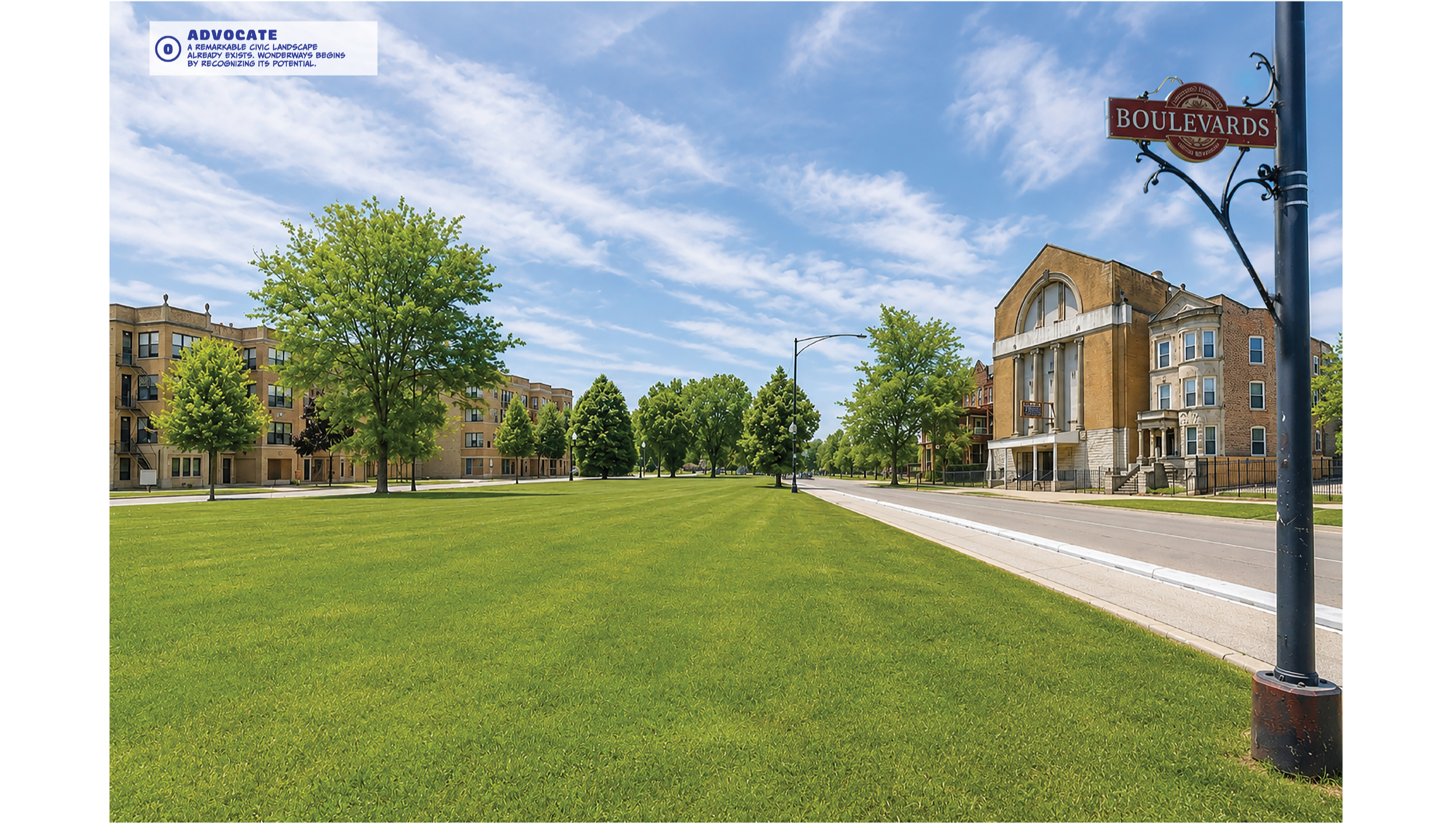
A vision that spans Chicago has to begin somewhere. For Wonderways, that place could be Independence Boulevard in North Lawndale. The corridor carries deep history: Dr. Martin Luther King Jr. organized the Chicago Freedom Movement nearby, and the construction of the Eisenhower Expressway divided neighborhoods from Garfield Park. Environmental inequities such as recurring flooding, extreme heat, and the effects of decades of disinvestment remain part of the surrounding context today.
But North Lawndale is also a community with a long history of organizing. Initiatives like Light Up Lawndale are already bringing fresh activity to the boulevards, and residents participating in CDOT’s own boulevard planning have called for more tree canopy, new pathways, public art reflecting neighborhood history, and spaces for families to spend time together.
This localized community organizing is part of why Wonderways resists a single template. Each neighborhood can decide what its stretch of the Climate Commons becomes; the system provides a framework, not a blueprint.
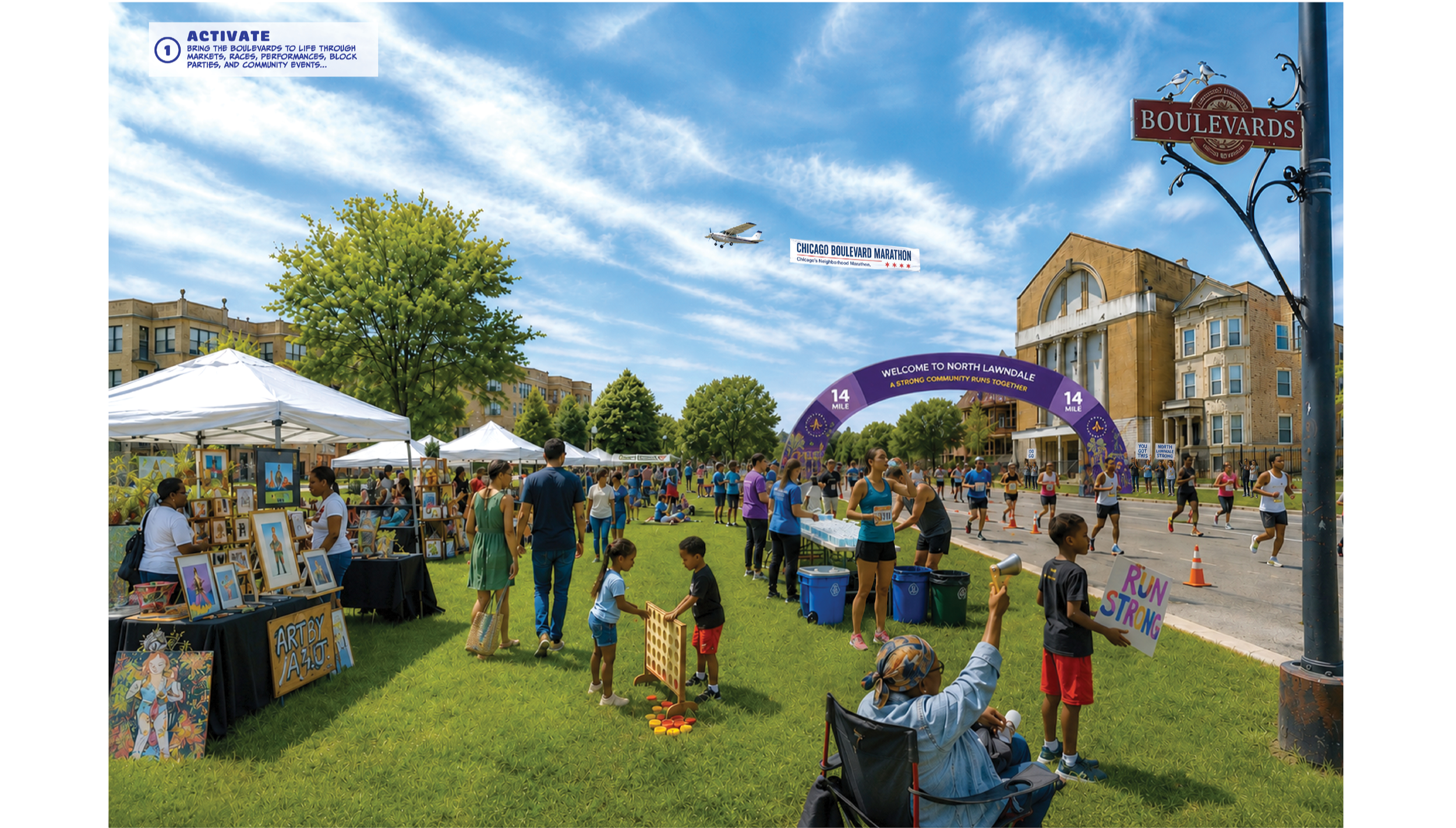
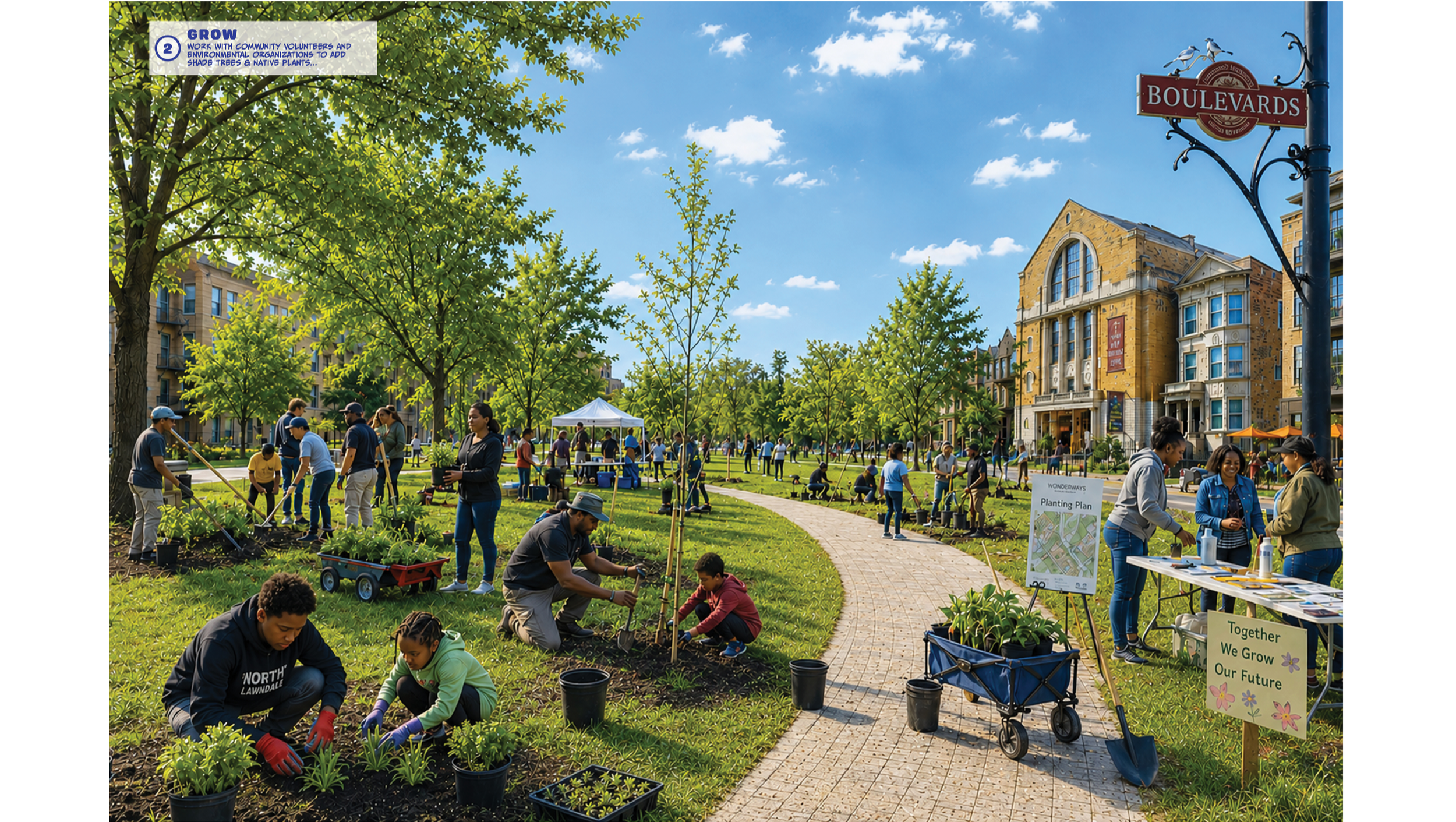
Transformation doesn’t have to happen all at once. Wonderways proposes three intentional steps:
1. Advocate: Build a coalition of community, environmental, and governmental leaders to develop a shared vision
2. Activate: Begin with the community first, through events, public art, and stewardship
3. Grow: Add environmental partners to strengthen tree canopy and safety improvements
4. Transform: Work with local government toward the implementation of permanent climate infrastructure block by block. One boulevard becomes two. Two become ten.
Two Winners
Capping months of refinement, public conversation, and review, World Business Chicago is recognizing two winning visions, naming Wonderways alongside Green City Rising, led by The Morton Arboretum, as a co-winners. Green City Rising imagines Chicago as a living network of tree-centered neighborhoods, where urban forestry becomes essential civic infrastructure. Like Wonderways, it connects climate resilience with public health, equity, and community investment.
The overlap between the two ideas creates a significant opportunity. Before the winners were even selected, the MKSK team had already identified The Morton Arboretum as exactly the kind of urban forestry partner that might help communities advance the Wonderways vision as an environmental partner. Likewise, many Wonderways strategies can be paired with Green City Rising solutions throughout other areas of the city.
Horizon Lines brought two independently developed, deeply complementary ideas to the same table, presenting a momentous opportunity to see what they can accomplish together.
The recognition became public on September 15 at a City Club of Chicago luncheon, where World Business Chicago announced Wonderways and Green City Rising as co-winners of the Horizon Lines Competition in the presence of the civic and business leaders who can help shape what comes next.
“It is bold, future-facing, and rooted in Chicago’s unique legacy. Has potential to meaningfully reshape public spaces.”
- Fernando Agudelo, Horizon Lines Jury
“One of the things I loved about this was that it is using existing built environment as a basis for new environmental solutions as well as better living. And the fact that these spaces often coincide with heat islands and disinvestment in greenspace. I love it even more.”
- Adam Hecktman, Horizon Lines Jury
“Horizon Lines gave us permission to think big, but it also asked us to keep testing the idea. Wonderways is stronger because so many people challenged it, contributed to it, and saw something in it worth pursuing. Winning is exciting. The opportunity to keep building the coalition around it is even more energizing.”
- Donny Zellefrow, AICP, WEDG, Associate, Urban Designer
The work now turns to building momentum that can translate into action. MKSK and World Business Chicago are continuing collaboration, to bring more people into the conversation and begin the process of building a coalition around the future of these community spaces.
Chicago’s boulevards have evolved over generations. Wonderways is MKSK’s bet that they can do it again, one boulevard, one community, at a time.
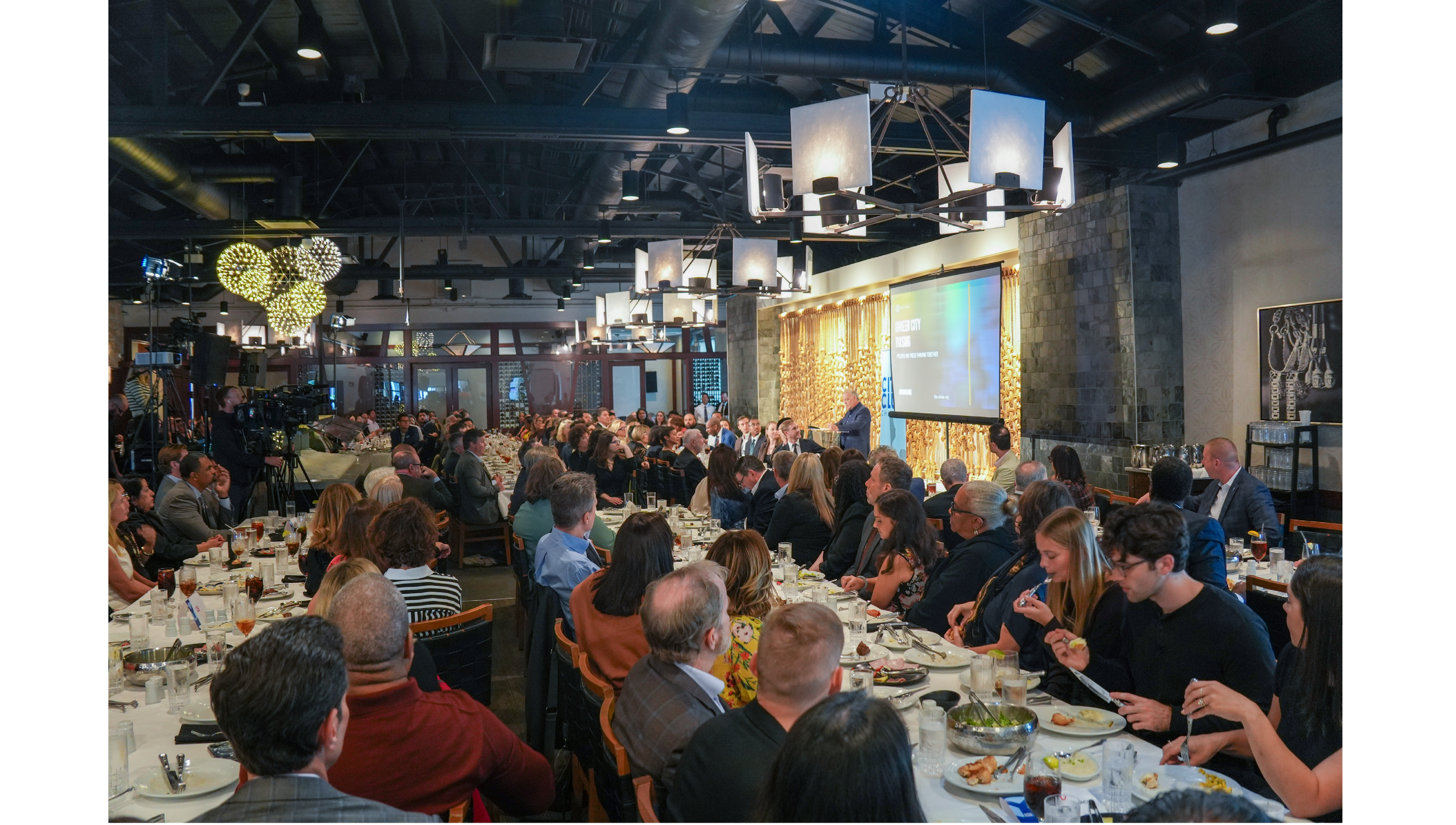
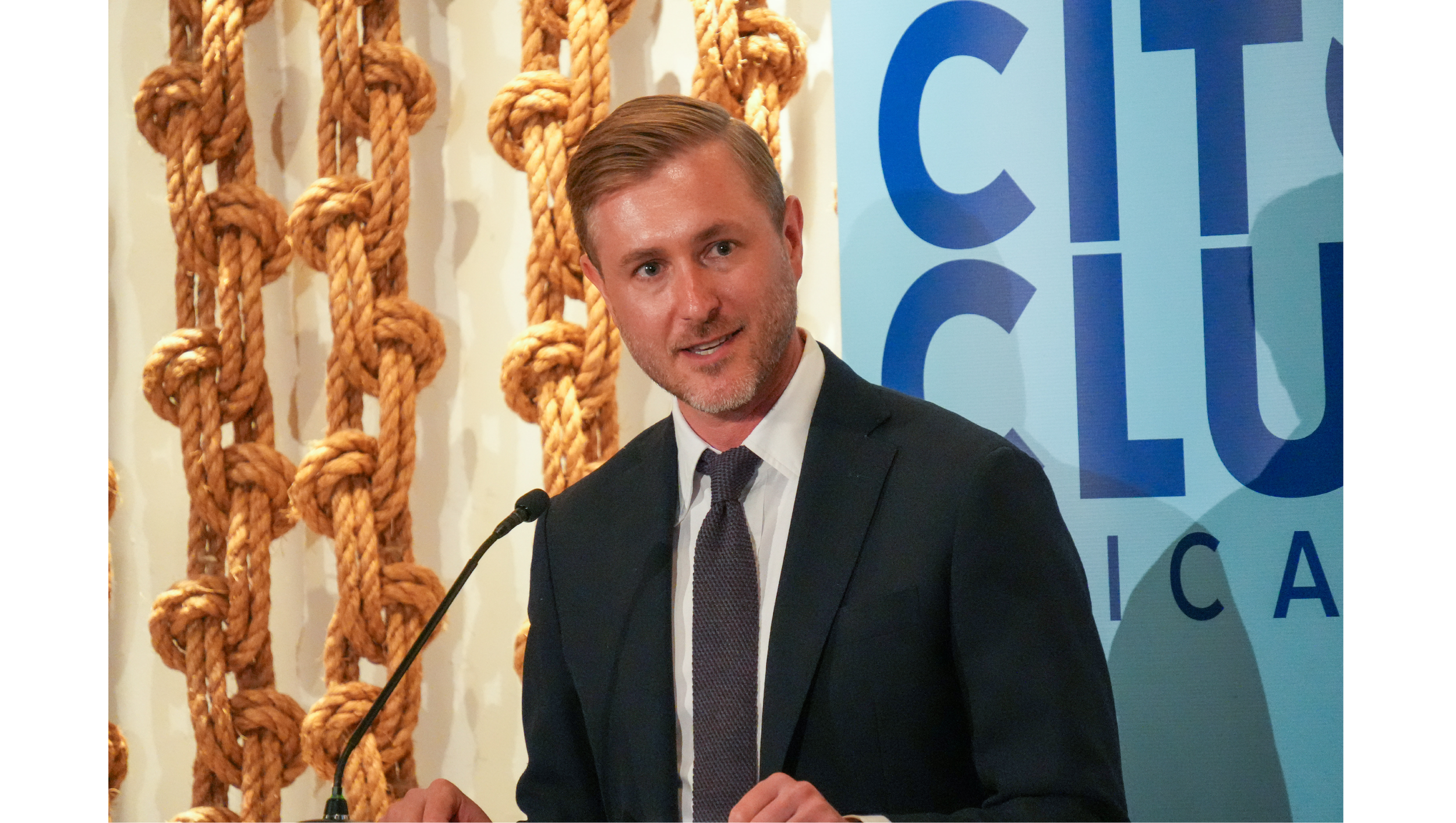
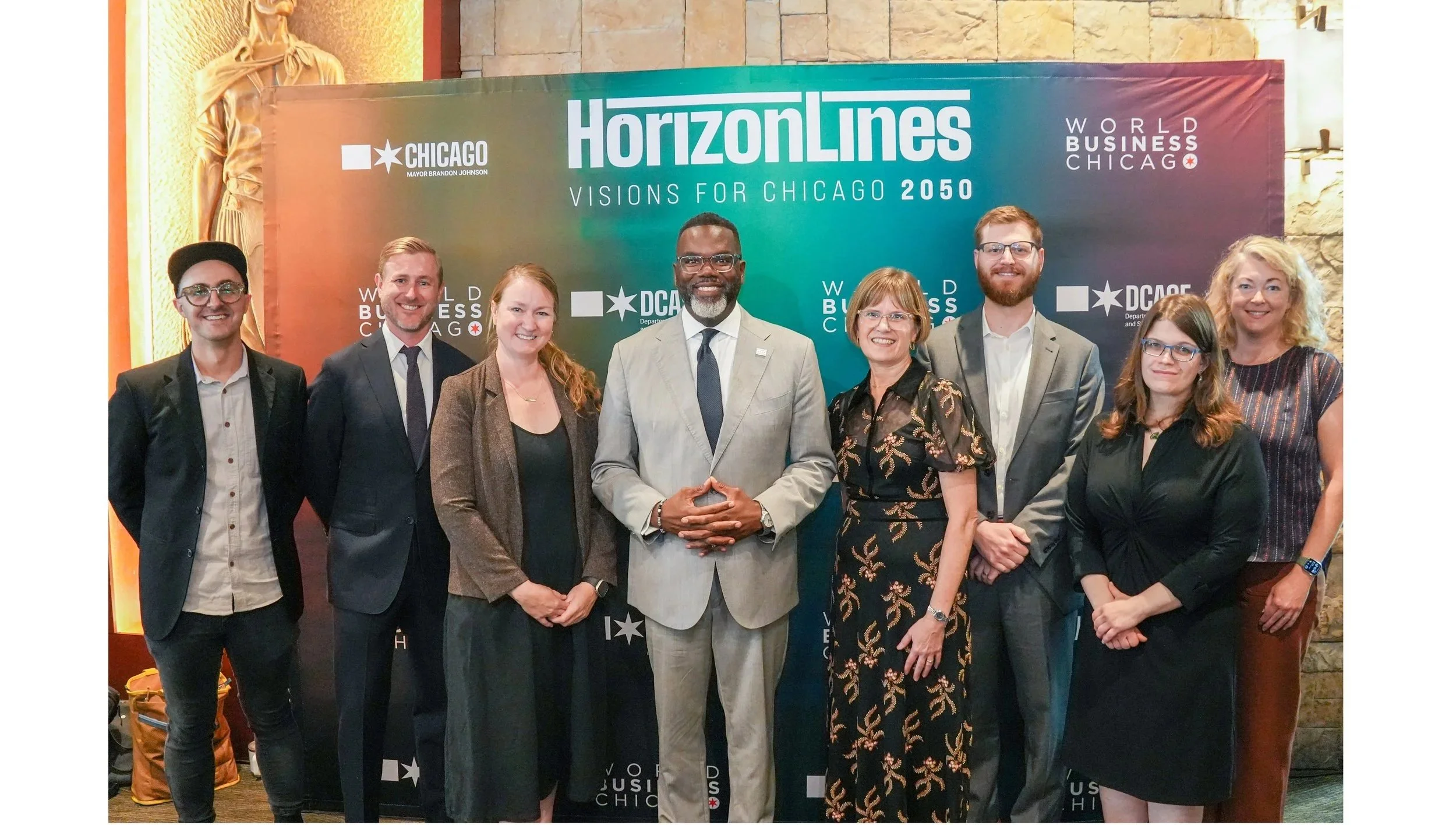
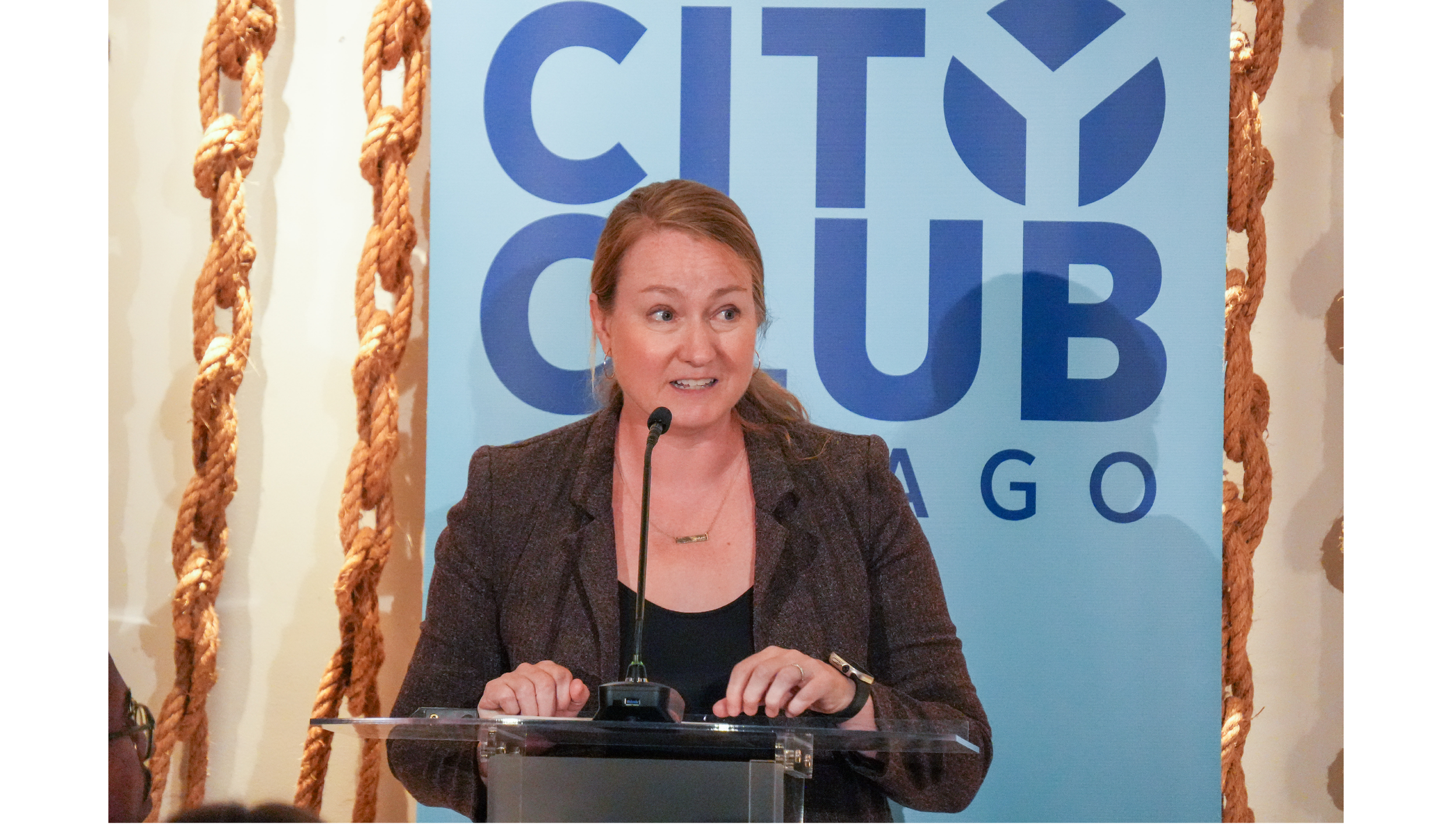
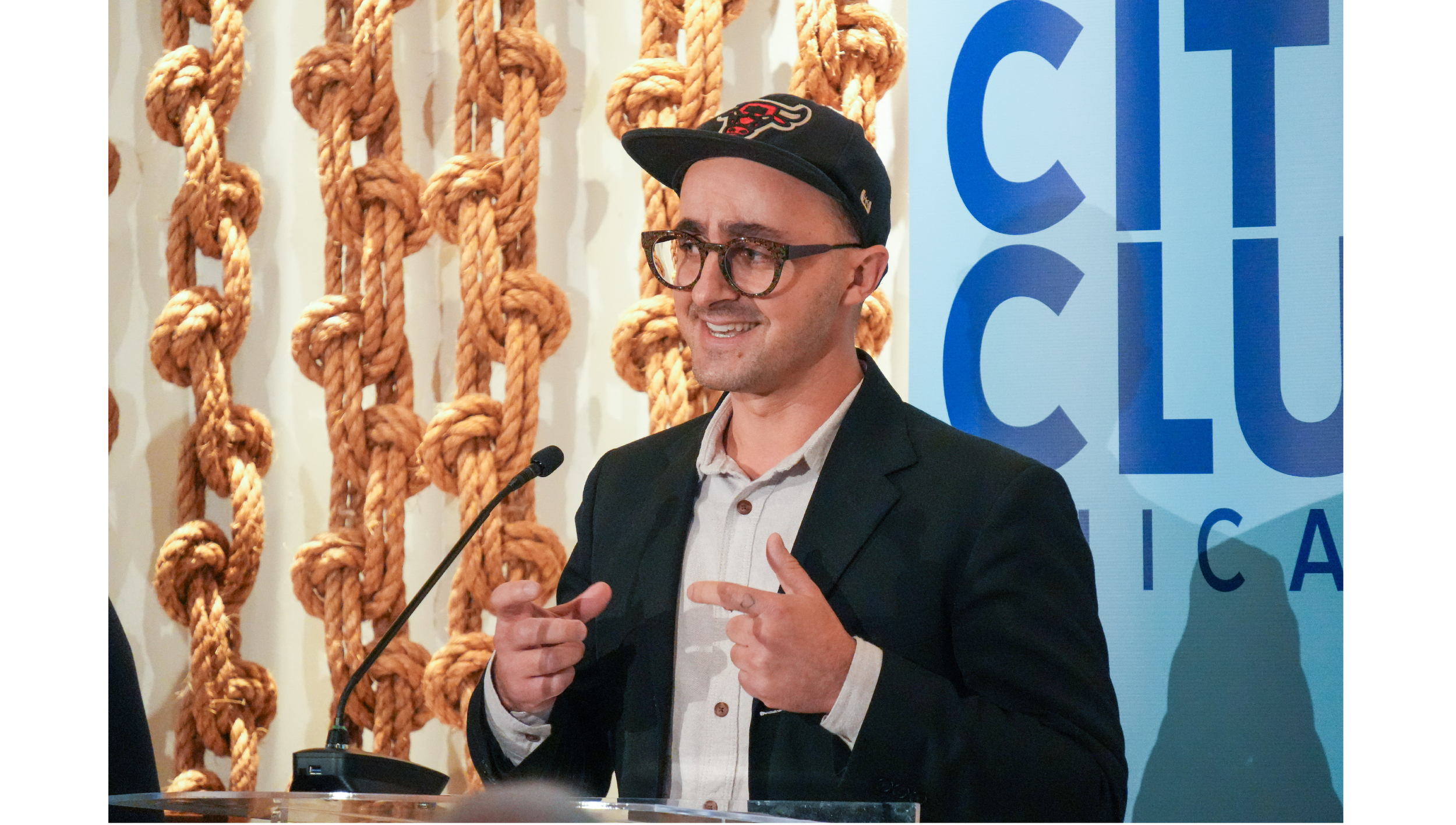
Photo Credit: World Business Chicago
About the Authors:
Donny Zellefrow is an Associate and Urban Designer at MKSK with a passion for understanding how cities work and imagining how they might work better. Guided by curiosity and a sense of wonder, he brings together design, research, and storytelling to uncover new possibilities for public space and translate ambitious ideas into actionable strategies.
Donny Donoghue is an Associate and Urban Planner at MKSK with a passion to make everyday life more joyful. Driven by a love for the great outdoors and urban history, he works closely with communities to envision vibrant and desirable public spaces.
Brett Weidl is a Principal, Landscape Architect and Urban Designer at MKSK. Brett’s passion resides in creating inclusive landscapes, enabling equitable access and strengthened connectivity between people and places to transform lives and foster community through opportunities for shared collective community experiences.