Five Minutes with Tony Murry
We sat down with Associate Principal and Landscape Architect, Tony Murry, to understand where he draws his inspiration to shape transformative places.
How would you describe your approach to landscape architecture?
If I had to pick one word, it would probably be connection. Meaningful connection with the land, the people around me, and the broader story that surrounds us, that’s what matters most to me in our work.
The land we’re privileged to shape lives infinitely, it has witnessed history’s unfolding story, equal parts destiny and crash course. The landscapes we create will know a future that exceeds our own, which is humbling. There’s an appropriate weight we carry when handed temporary authorship of a “place.” Every line drawn represents an accountability to do something meaningful, authentic, inspiring, expressive, contextual - plus more. That weight feels just right to me, a balance of confident ability and pushing myself. It drives me to design places that connect communities, time, history, voices, cities, and natural environments.
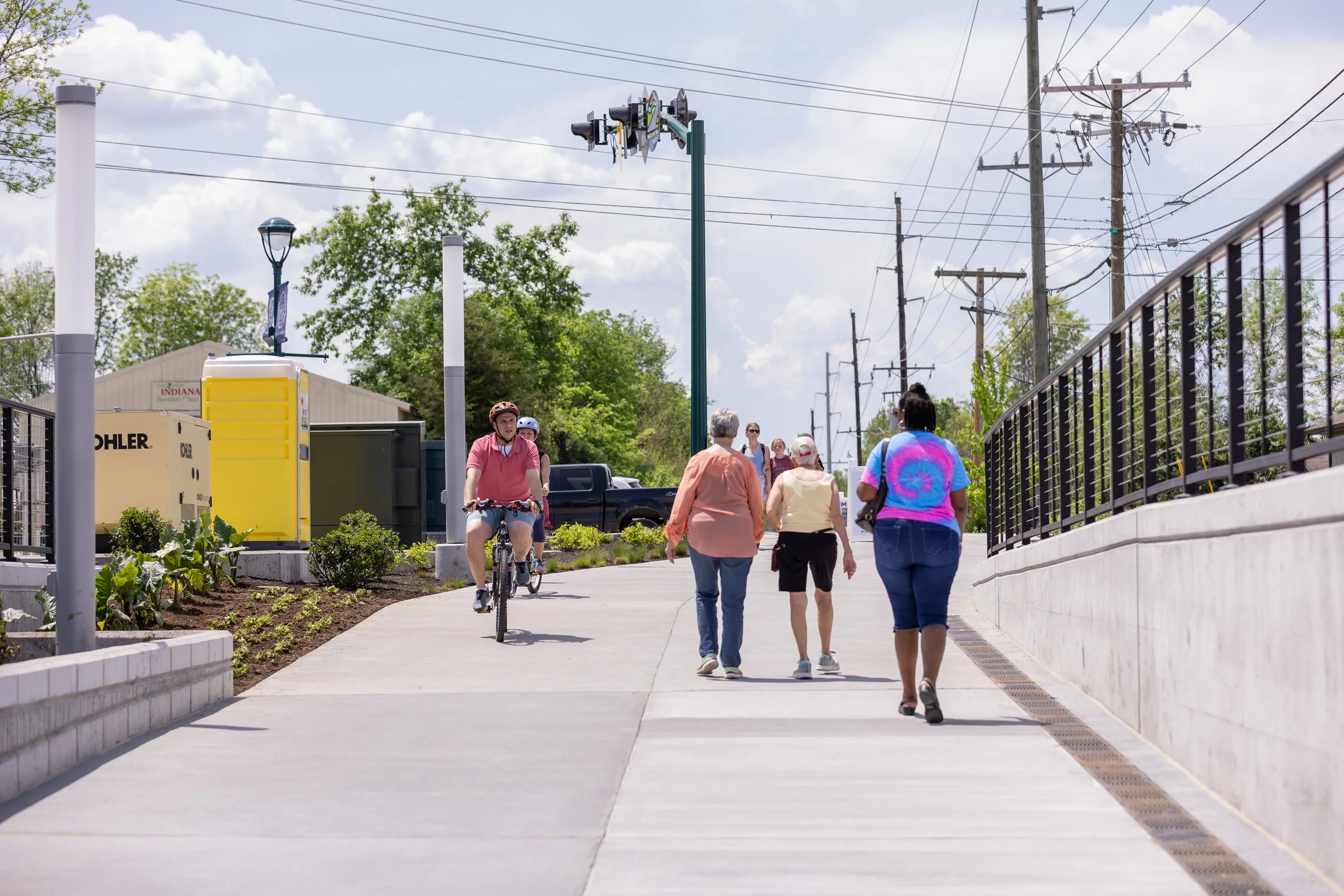
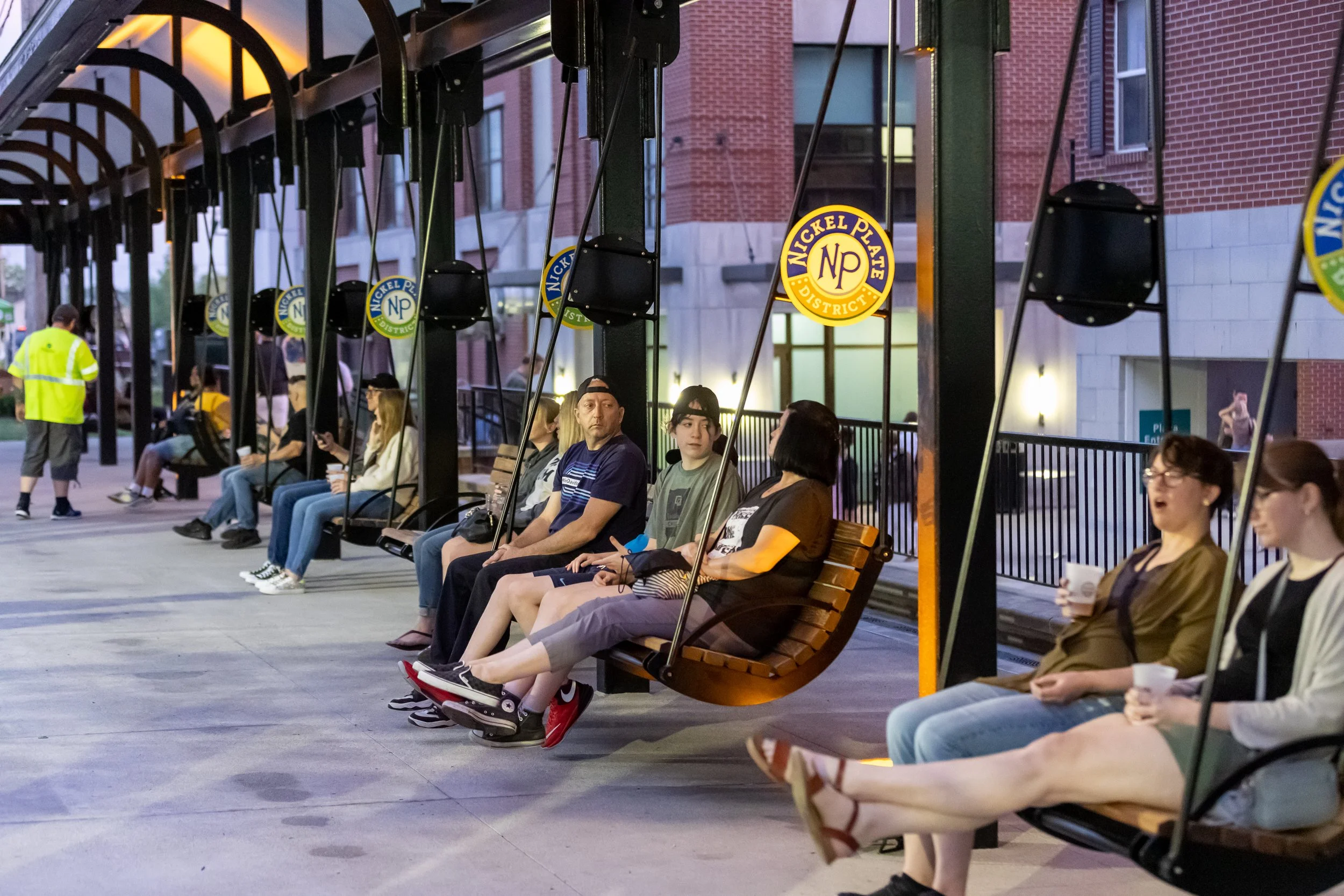
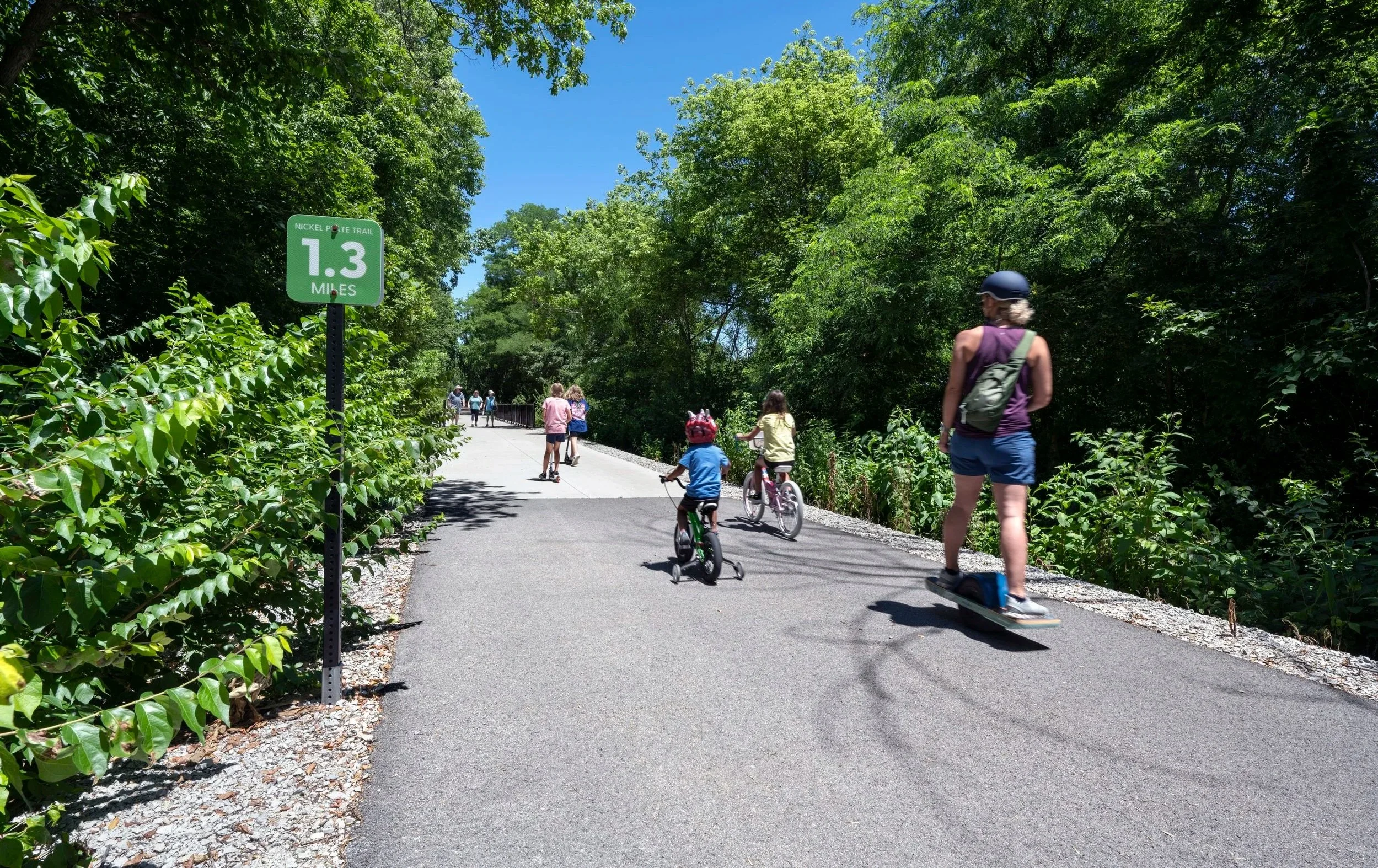
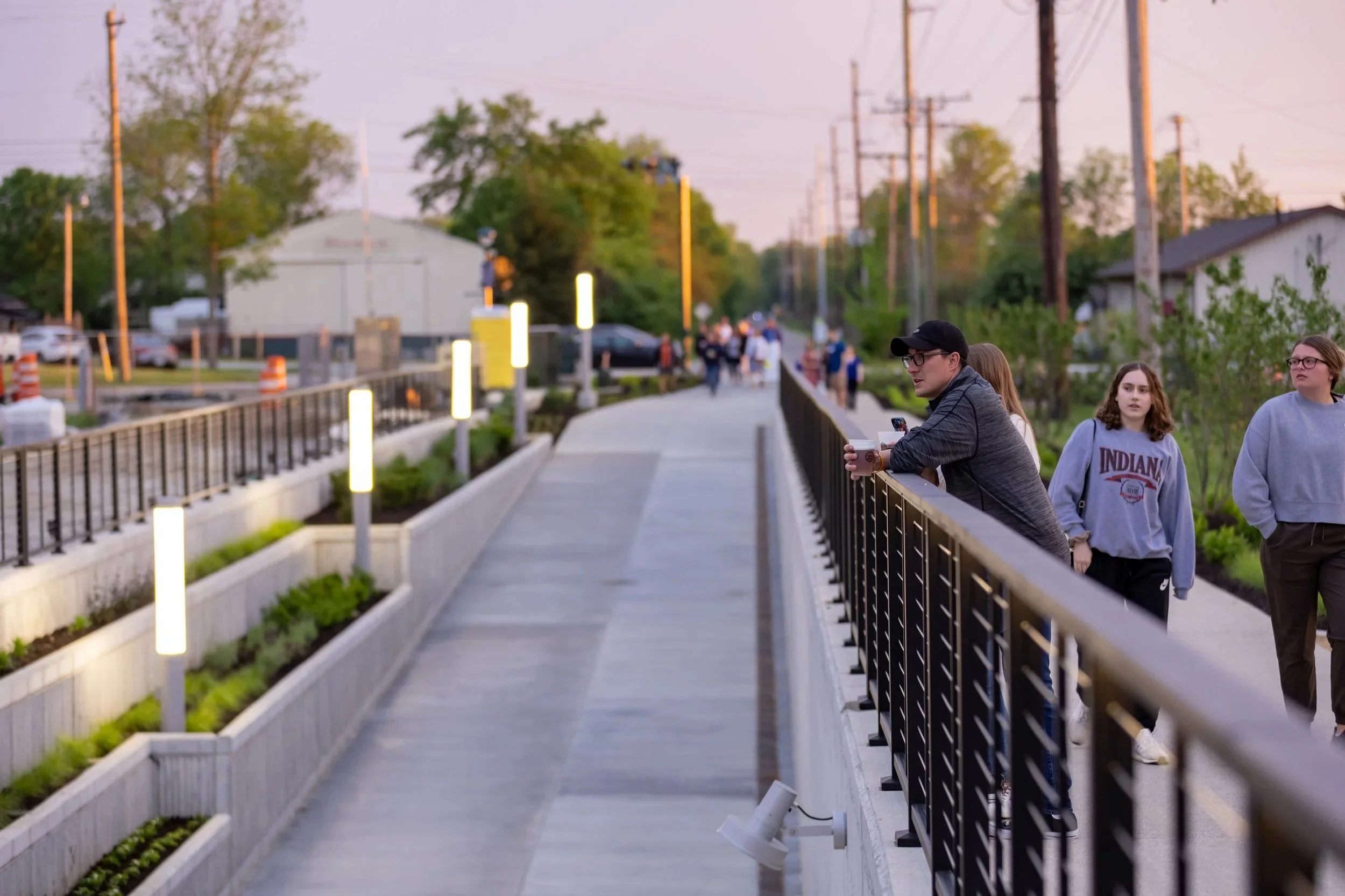
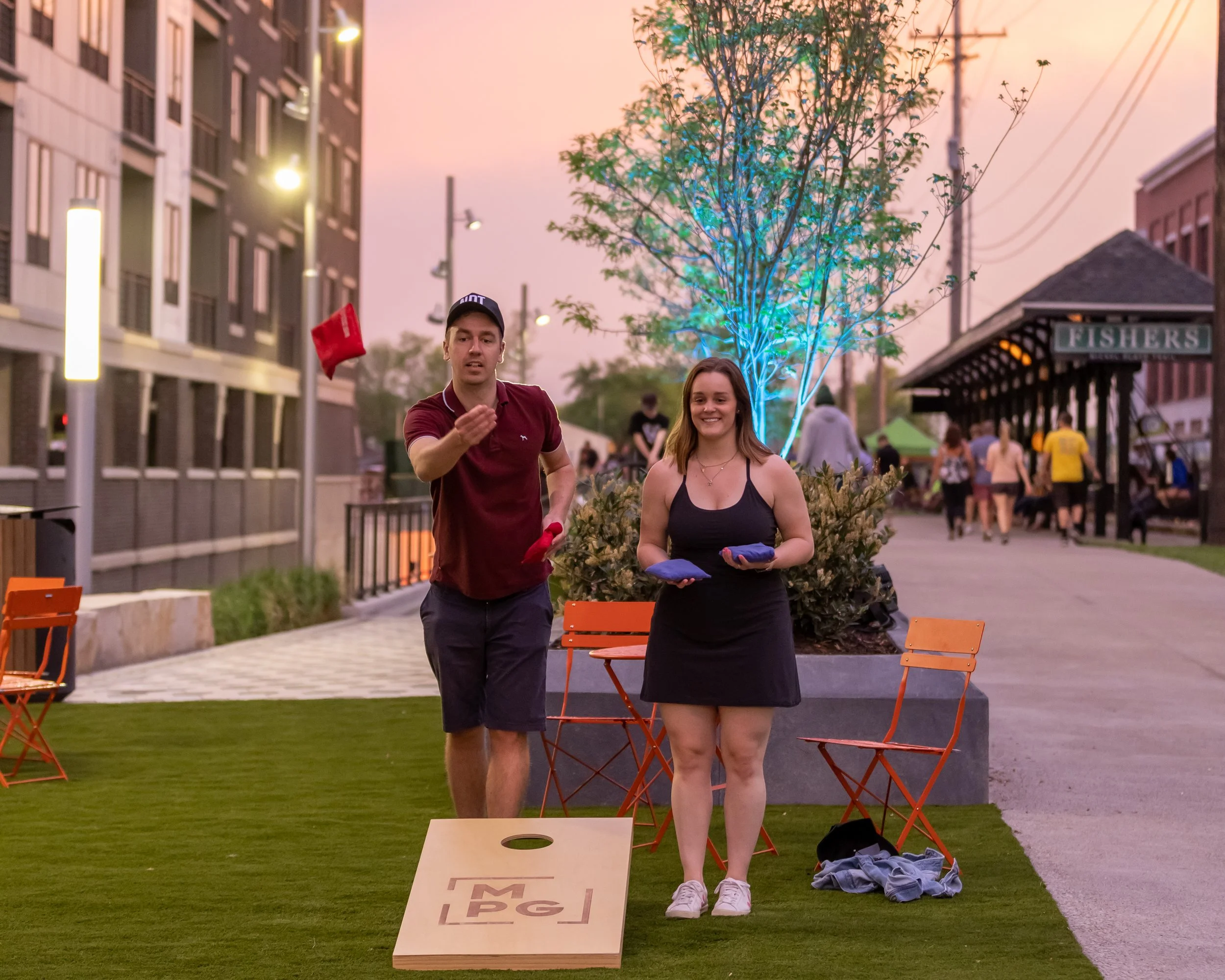
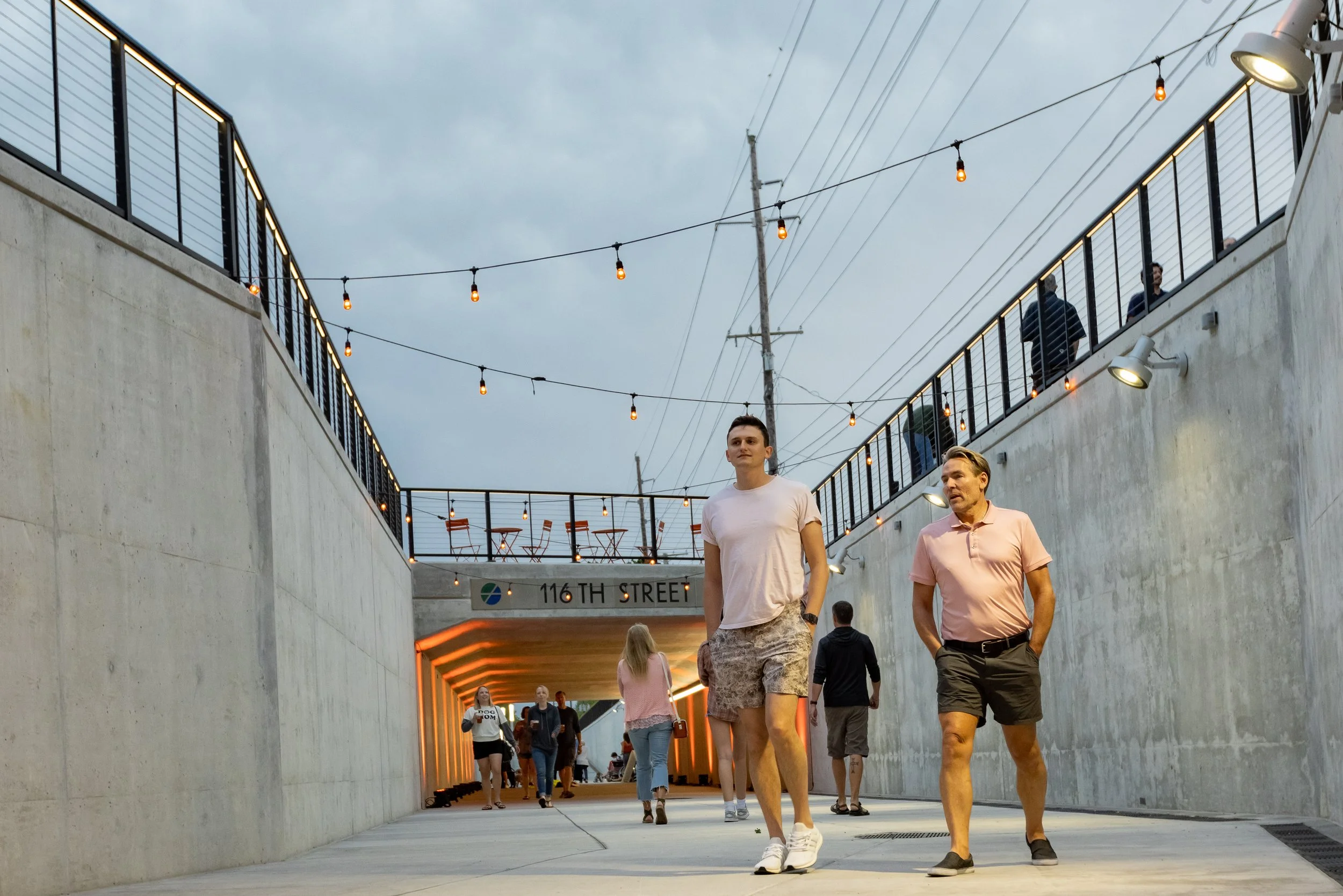
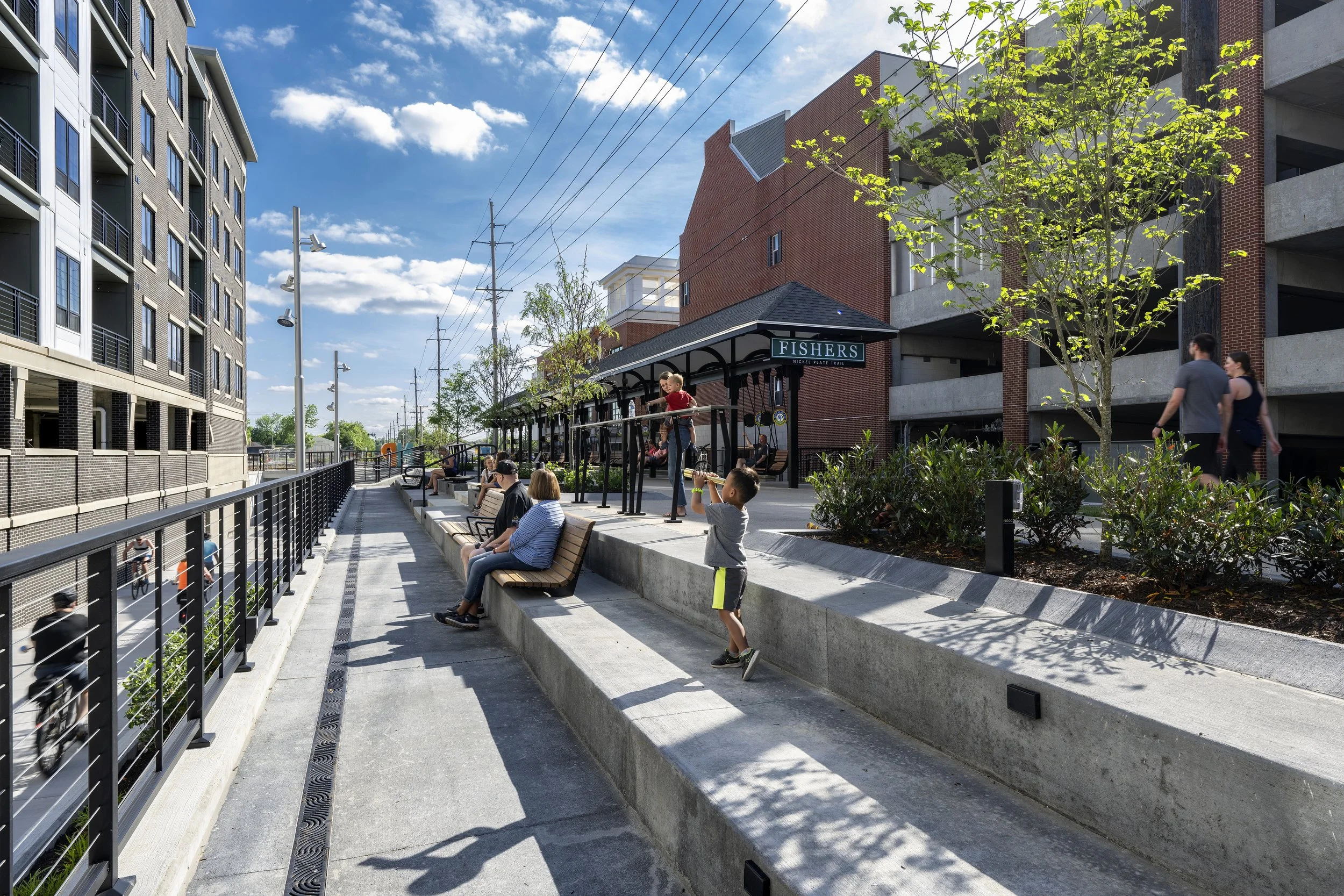
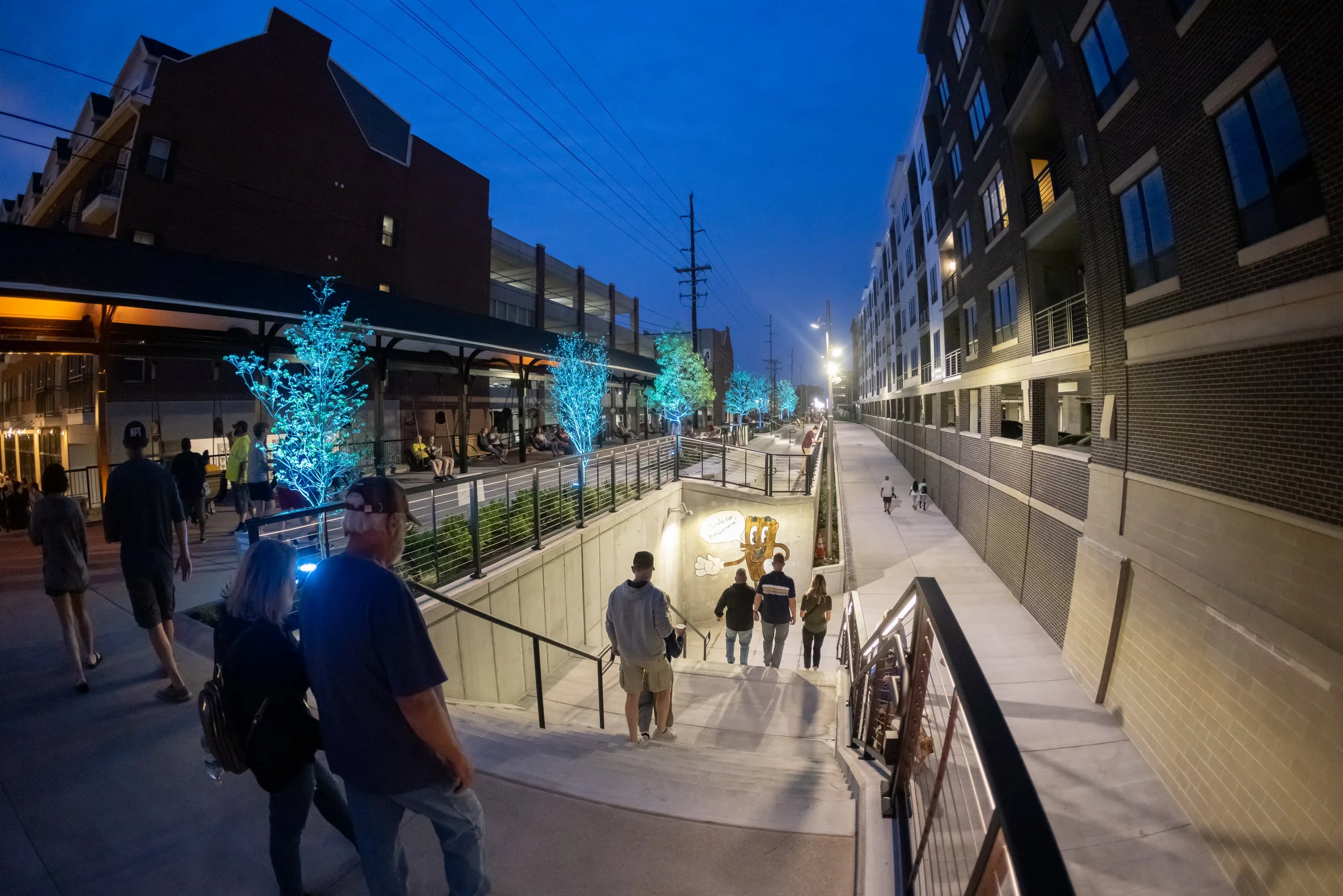
Featured: Nickel Plate Trail, Fishers, Indiana
In a profession built on shared knowledge and collective growth, how do you think about your own development as a landscape architect, and the responsibility to pass along what you’ve learned?
As landscape practitioners, we are like the sites we design, products of what came before presently being molded into what we’ll become tomorrow. I view my strengths not as my own, but as a library of tools I reference from the lineage of landscape architects I have learned from. Framework thinking, sharing the pen, cartoon sets, asking ‘what is the way’, words before pictures, messy drawings, the 10% rule, the next idea, imperfect steps. My poor colleagues, I can’t help but share what has helped me grow as a professional in 22 years! But I feel so strongly that we are connected as professionals well beyond the walls of the names on our business cards.
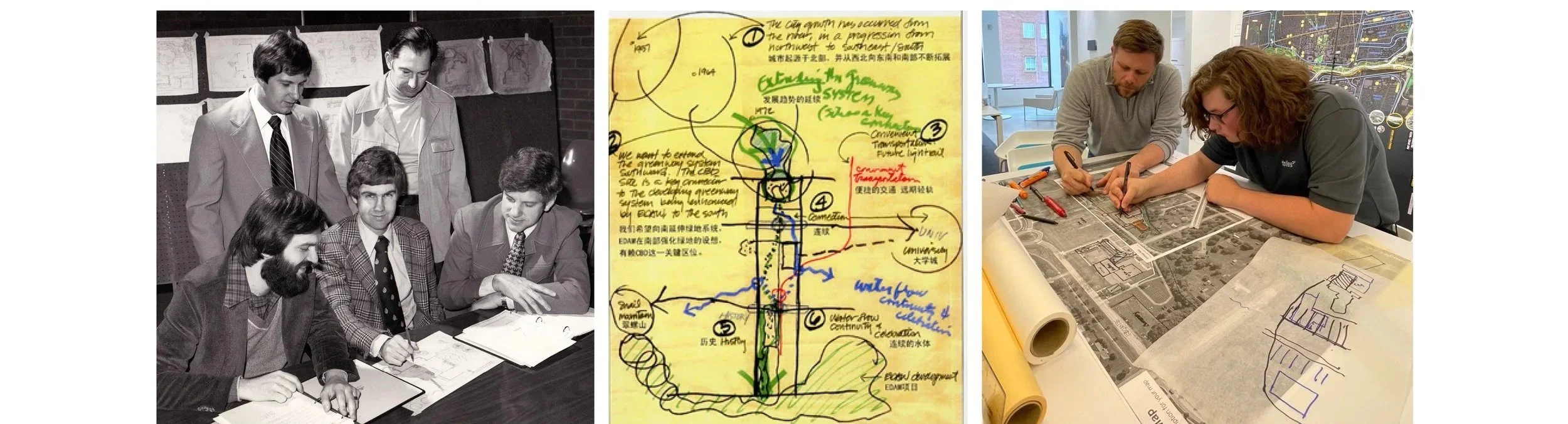
Left: Landscape architecture professors at The Ohio State University Ohio Agricultural Research and Development Center (OARDC), circa 1978. Source: OARDC; Right: Mentoring young designer.
How do moments of pause—whether seasonal or historical—influence the way you reflect on landscape and its meaning?
This has been a great winter, full of snow and bitter temperatures. Unlike many, I enjoy the winter season. The cold brings with it a sense of pause and reset, a prerequisite for the ever-popular spring renewal. In the middle of winter, I like to visit the top floor of the Ohio Historical Society Library to look at the Virginia Military District surveys that were used to settle the portion of Ohio I am from. They are hand drawn metes and bounds surveys with accompanying narrative descriptions containing language like “beginning at the large elm tree, or to the waters of paint creek, or crossing John’s hill.” In an age of wonder with digital predictability, I am refreshed by such basic physical and sensical descriptions of our landscape. Simultaneously the surveys mark a moment in our land’s history when it crossed from being wild to being owned, without any choice in the matter.
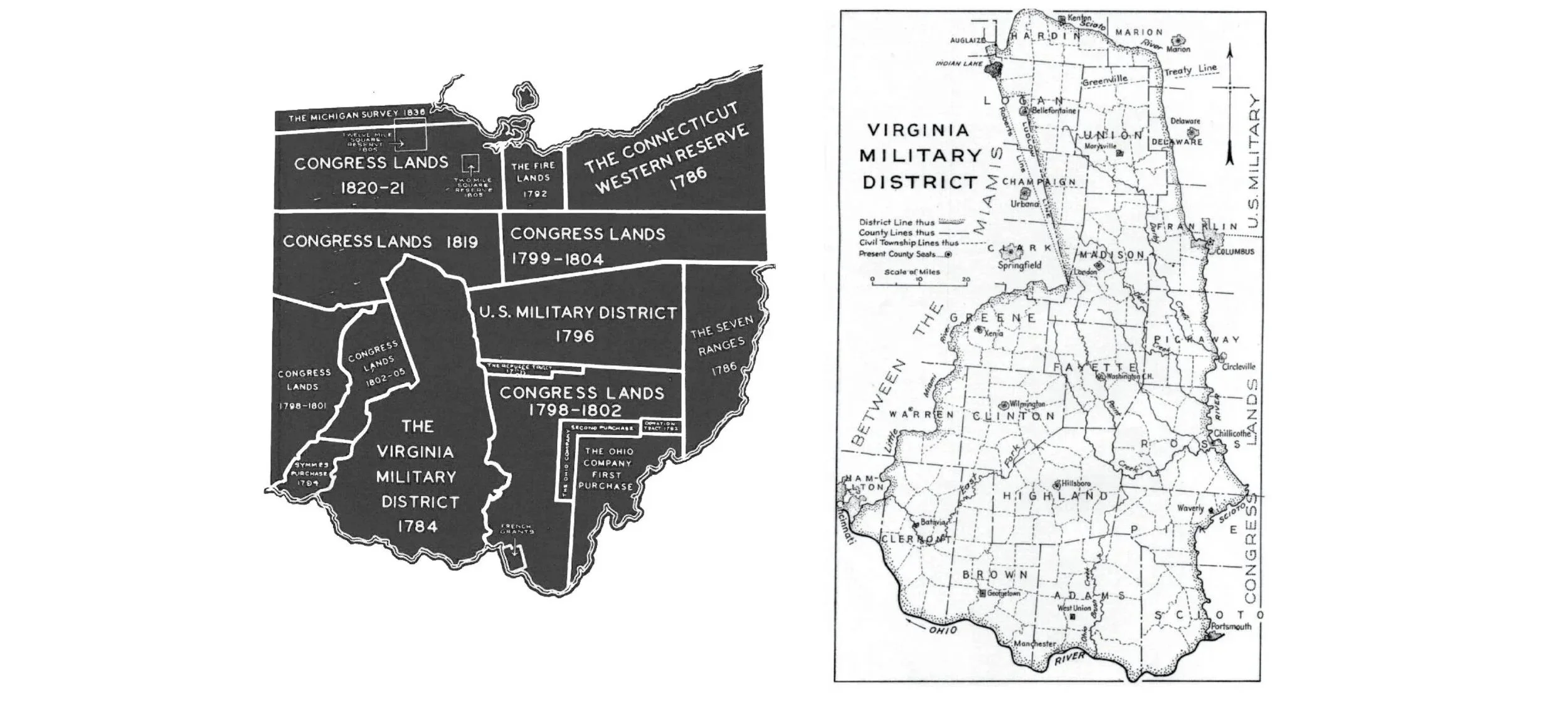
Source: Ohio Historical Society Library
How do you think about permanence and temporality in the landscapes we’re creating today?
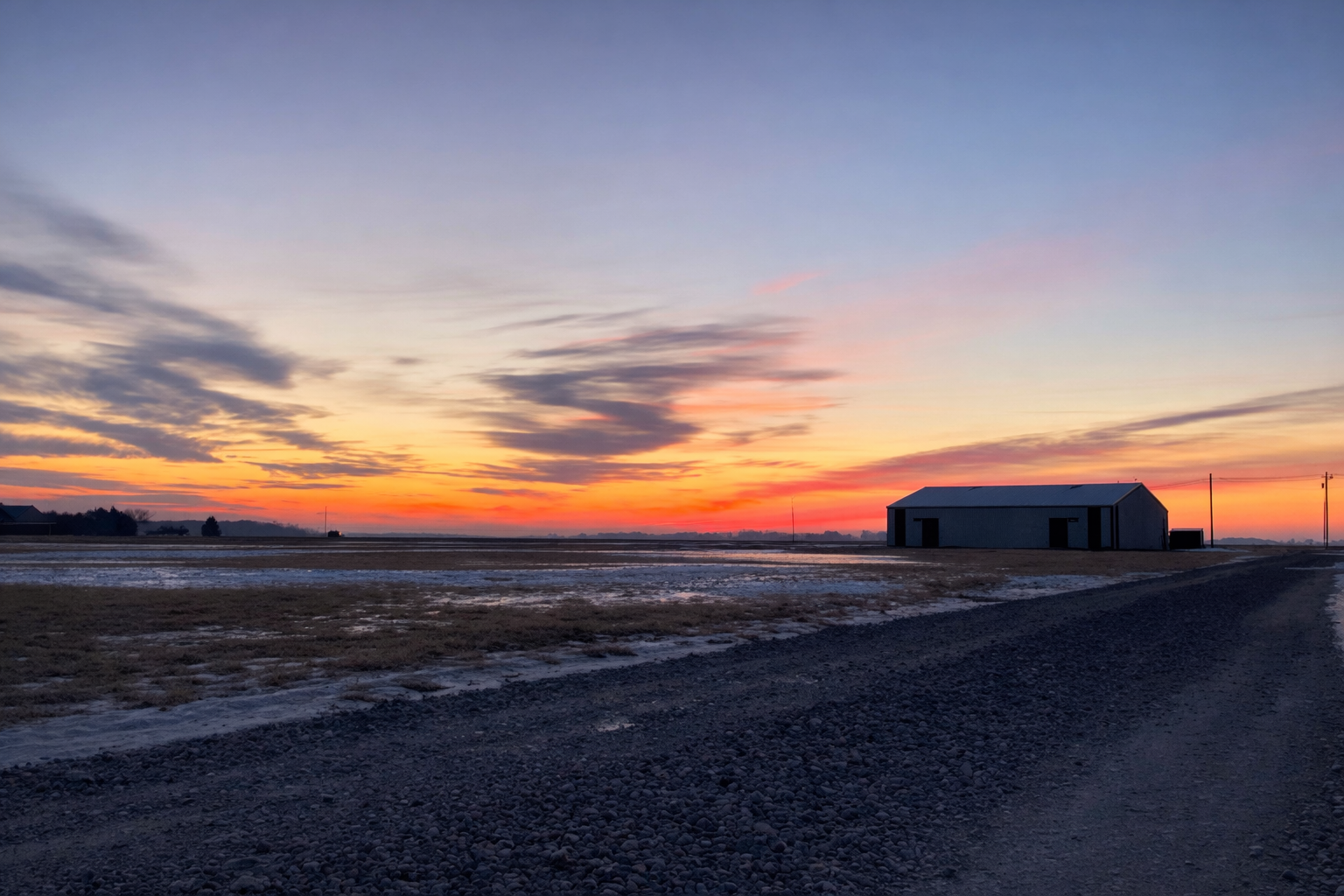
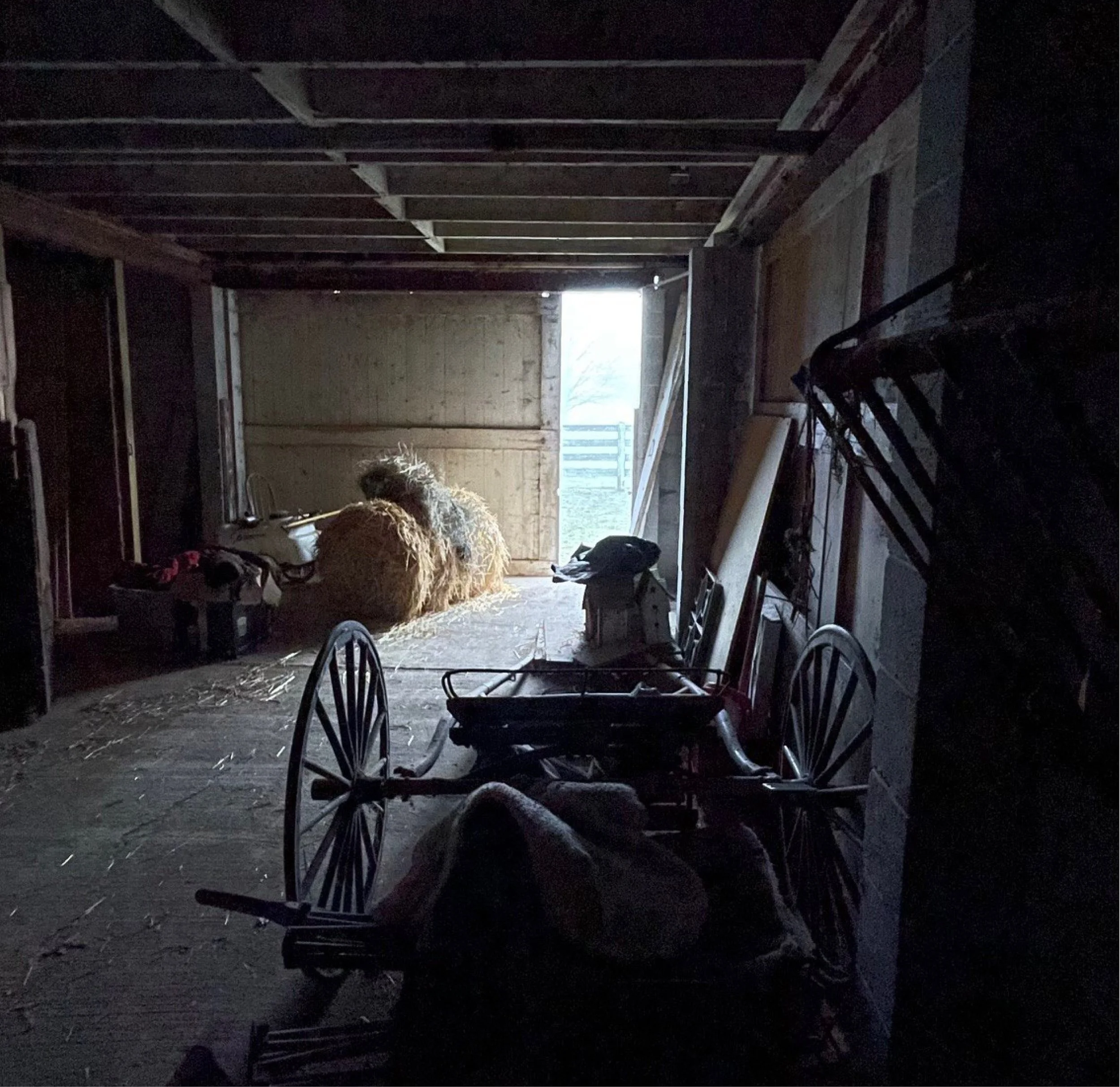
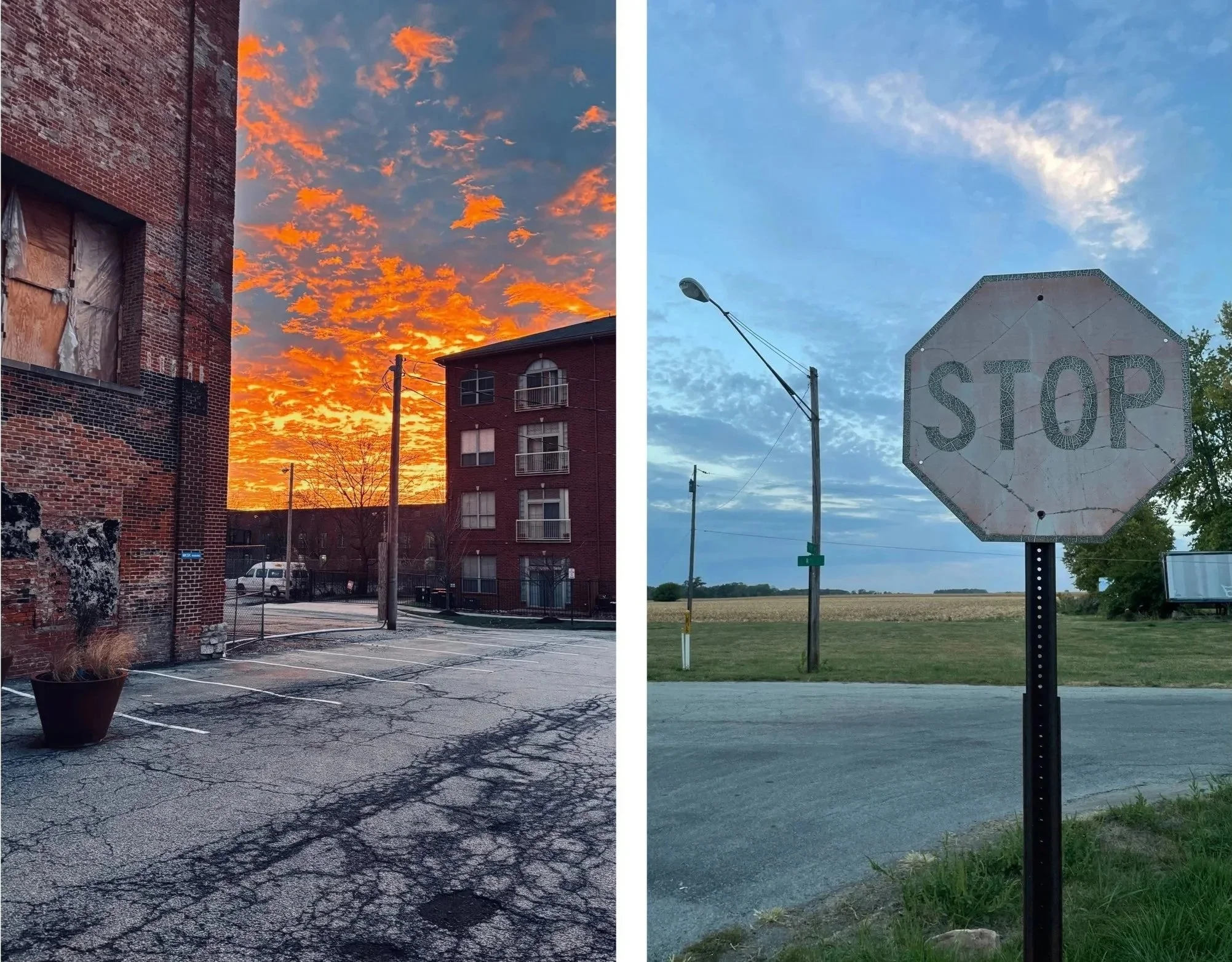
Growing up, everything we had on our farm had a purpose. Every animal, tool, piece of equipment, building, fence, creek. Even if its practical purpose had long since passed, nostalgia or frugality kept it in the corner of the barn. This practice has stuck with me, as I look to learn about a new site, and dive into design. I think it’s important to keep a keen eye out for the serendipitous, the story-worthy, and existing wild elements that prioritize nuance and authenticity of place over a clean slate and subsequent storiless landscape. And as much as I want to preserve what there is, I am also interested in how my own work can become more temporal, less heavy on the earth and humbler. More in sync with the pace of life and the nature of our world today. I worry that what we’re building today is either not permanent enough, or not temporary enough, but rather right in the non-descript middle.
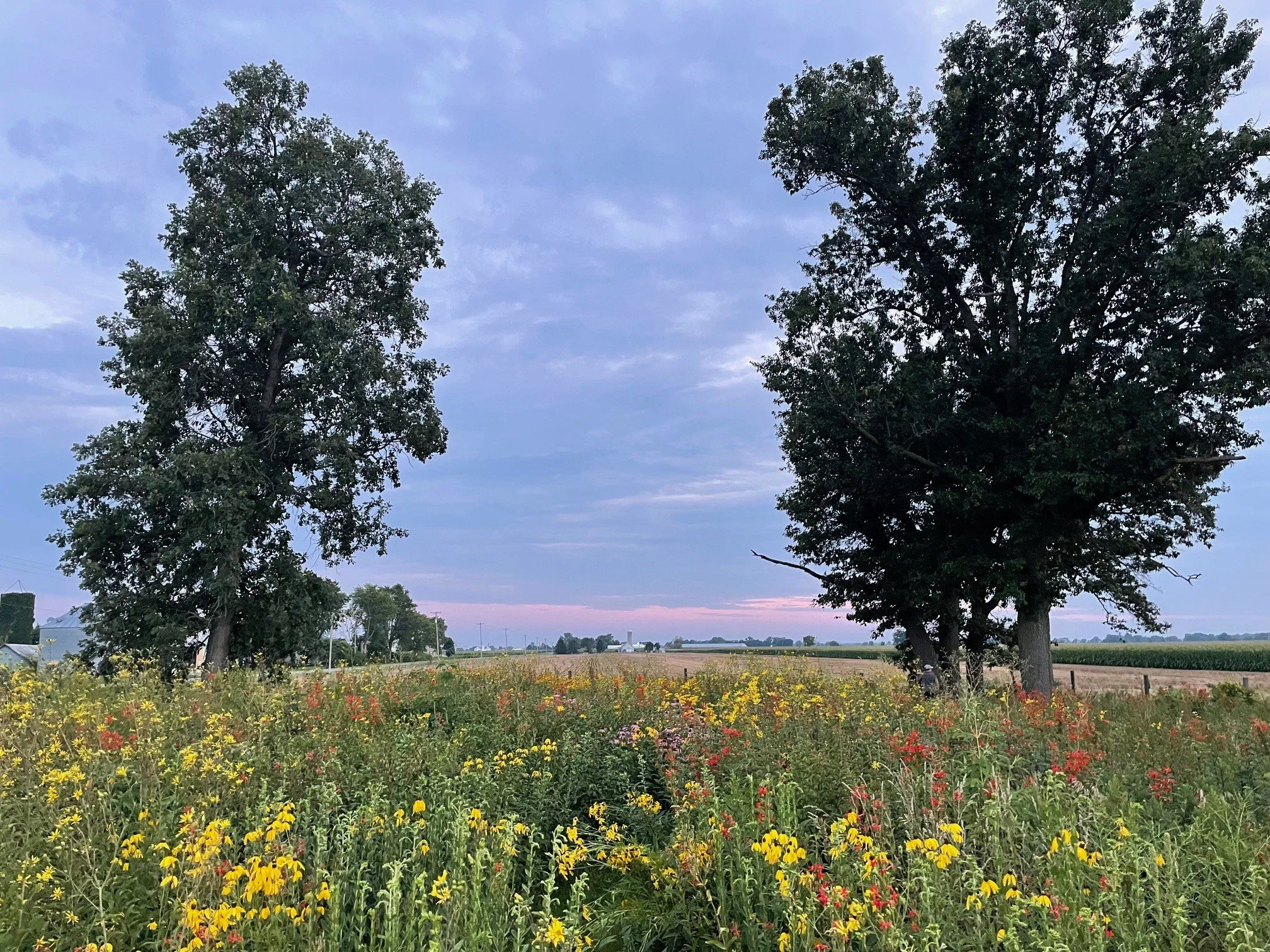
Tony Murry, ASLA, PLA, is an Associate Principal at MKSK. He gained an early appreciation for all things “landscape” as he explored the woods, creeks, and fields of his family farm located within the Darby watershed in central Ohio. He learned how to balance preservation with necessity, and history with stories yet to be told. He has built a career practicing locally, nationally, and globally to deliver ideas driven solutions for healthcare, higher education, civic and municipal clients for over two decades. He enjoys engaging with stakeholders, participating in design dialogue and ideation, creative problem solving, and connecting with people and the environment.