
Designing for Health: Reflections from a Year in the ULI Health Leaders Network
Tyler Clark, Associate Principal and Urban Designer at MKSK, reflects on how cross-sector collaboration is shaping healthier, more resilient communities.
Over the course of 2025, I had the opportunity to participate in the Urban Land Institute’s Health Leaders Network as part of Cohort 8. The Health Leaders Network brings together professionals across real estate, planning, design, public health, policy, and finance to explore how the built environment shapes health, well-being, and equity.
What makes the program distinctive is not just its focus on health, but its emphasis on how health outcomes take shape through land use policy, capital decisions, infrastructure investment, and the everyday design choices that influence how people move, gather, and live. With my work being primarily focused in urban, mixed-use districts and neighborhoods, that framing felt immediately relevant.
Program Structure
The Health Leaders Network is structured as a year-long immersive learning experience blending in-person forums, virtual sessions, individual assignments, and cohort-based discussions. At the core of the program were three primary forums: an opening forum that centered on place-based learning and leadership approaches, a mid-year forum focused on capital and policy, and a closing forum that connected those themes through an international example and overall program reflection.
Opening Forum
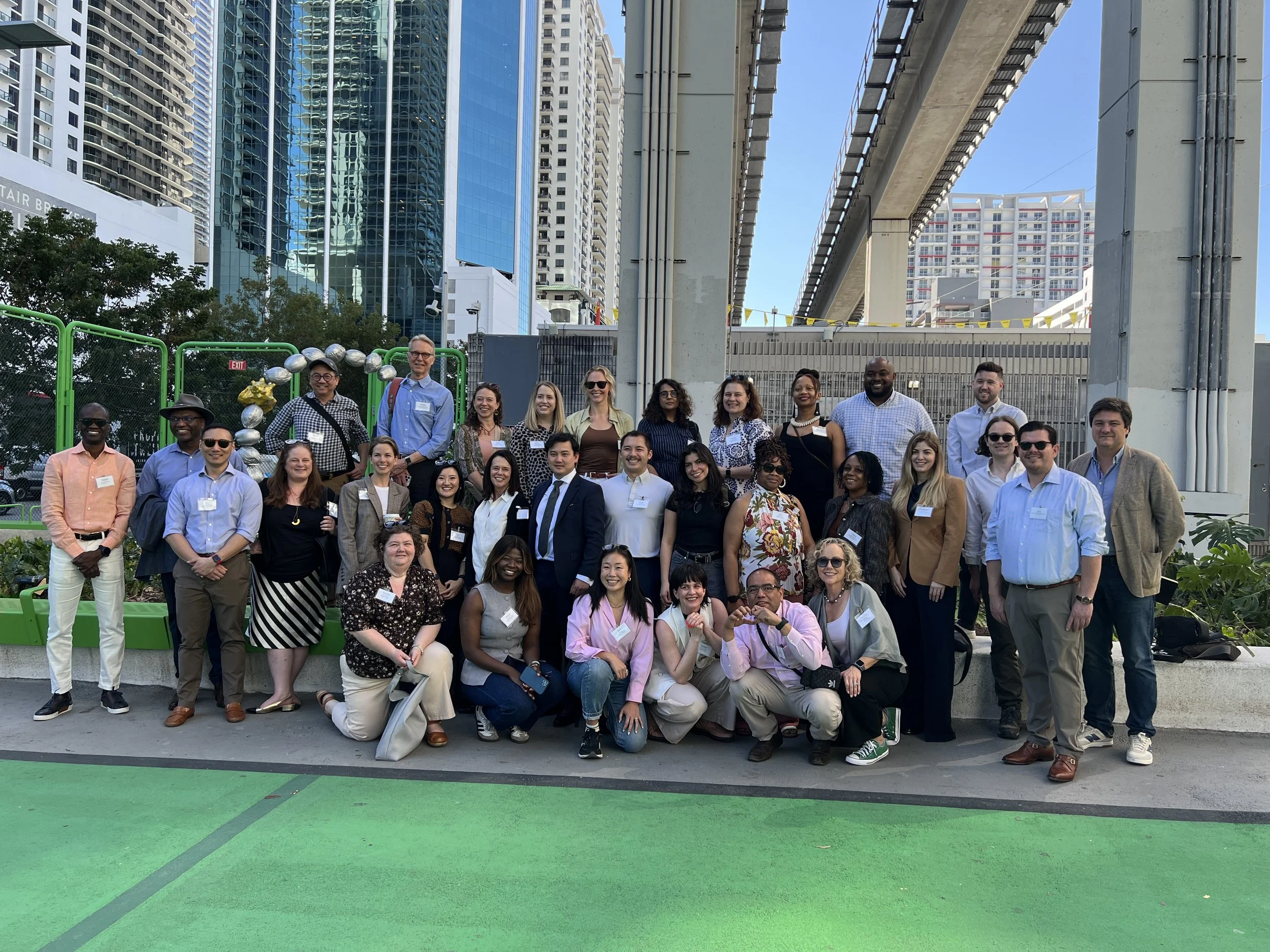
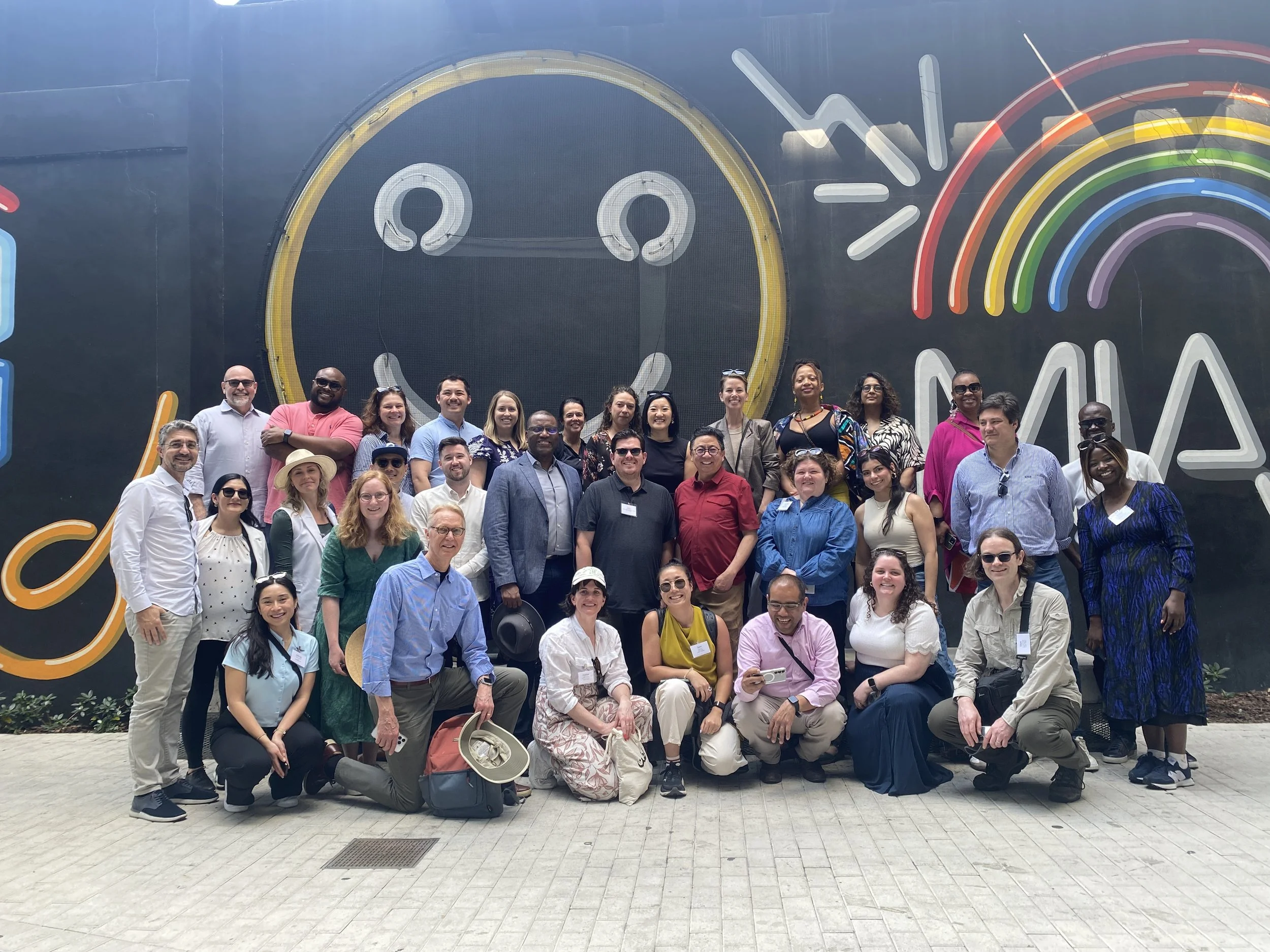
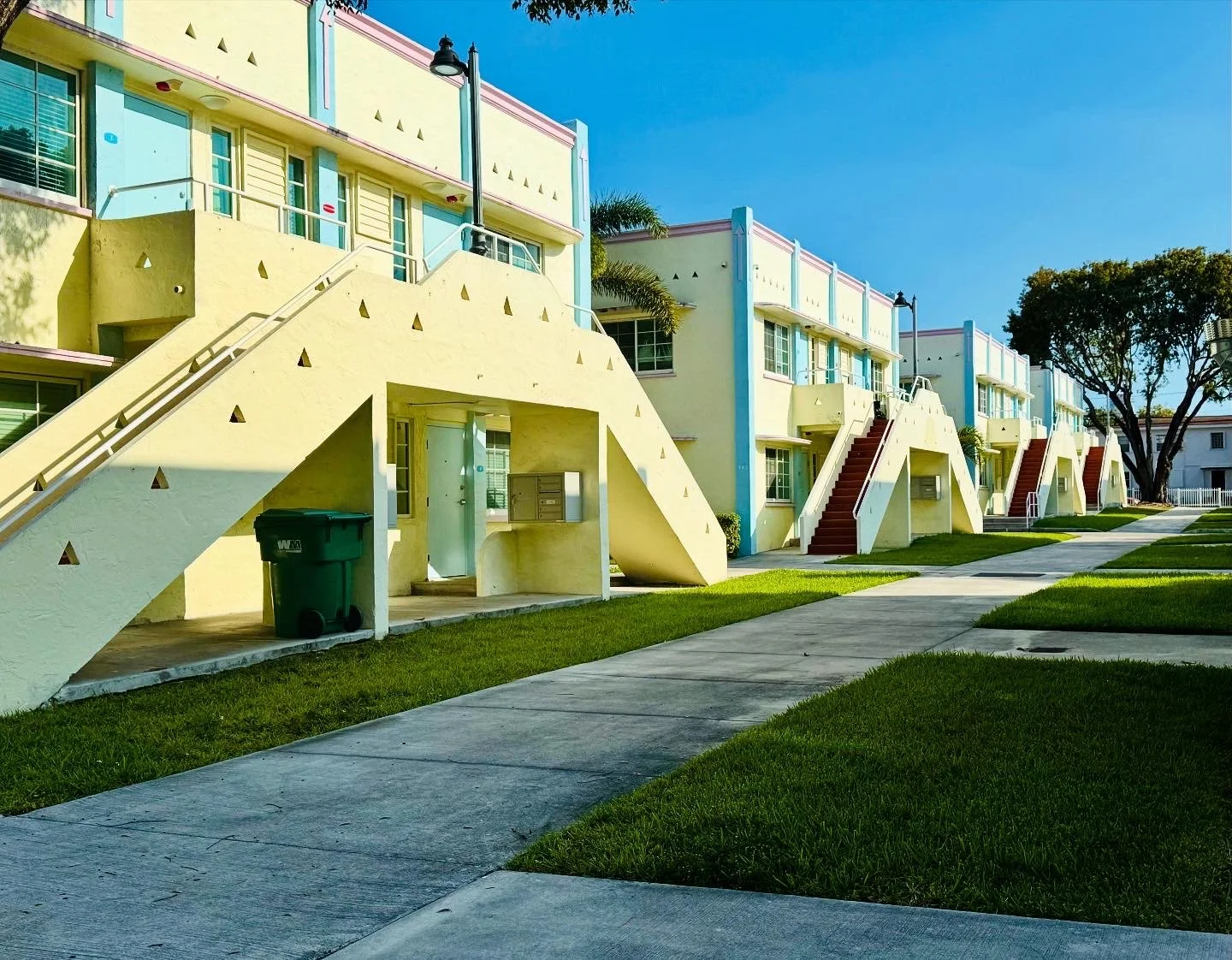
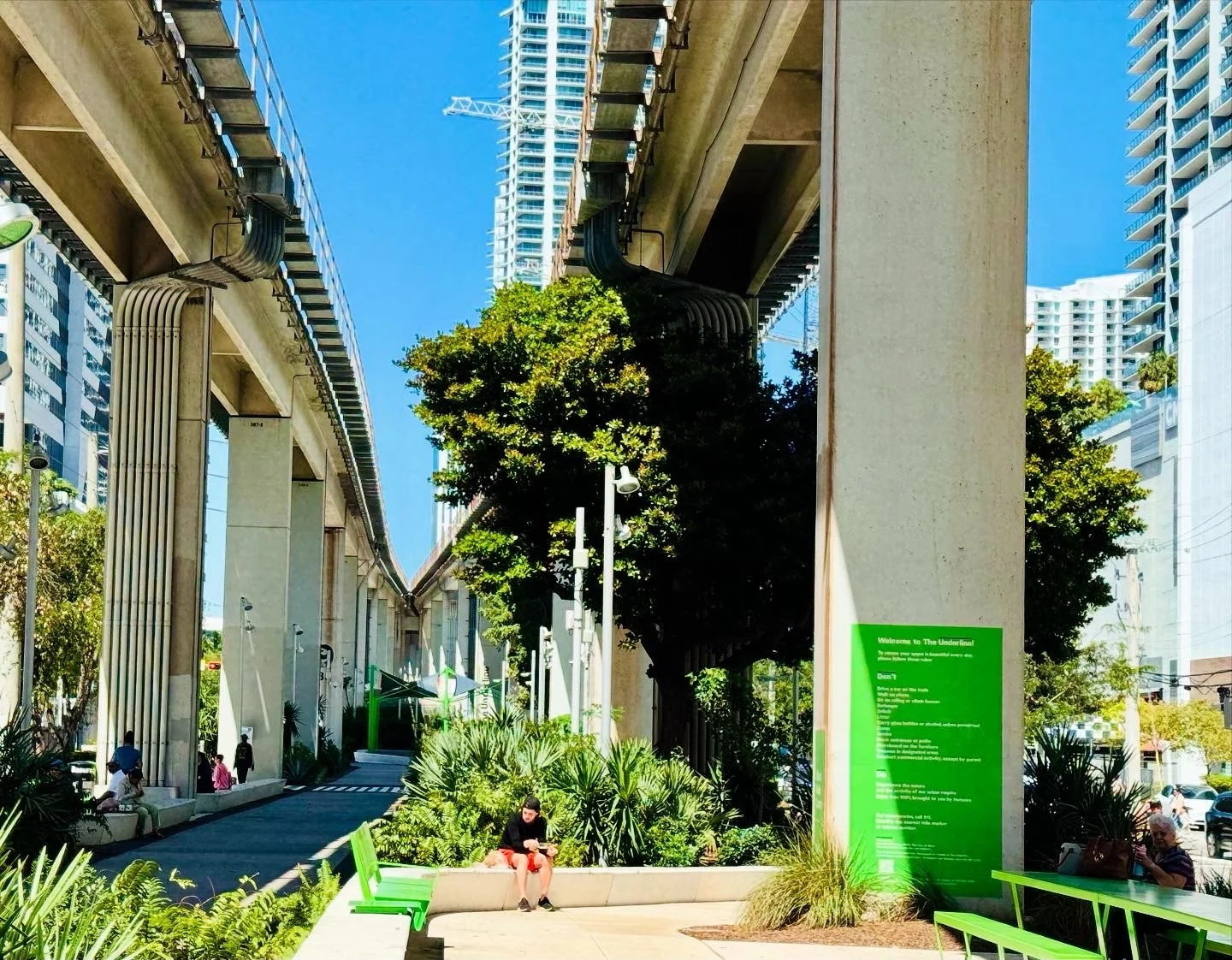
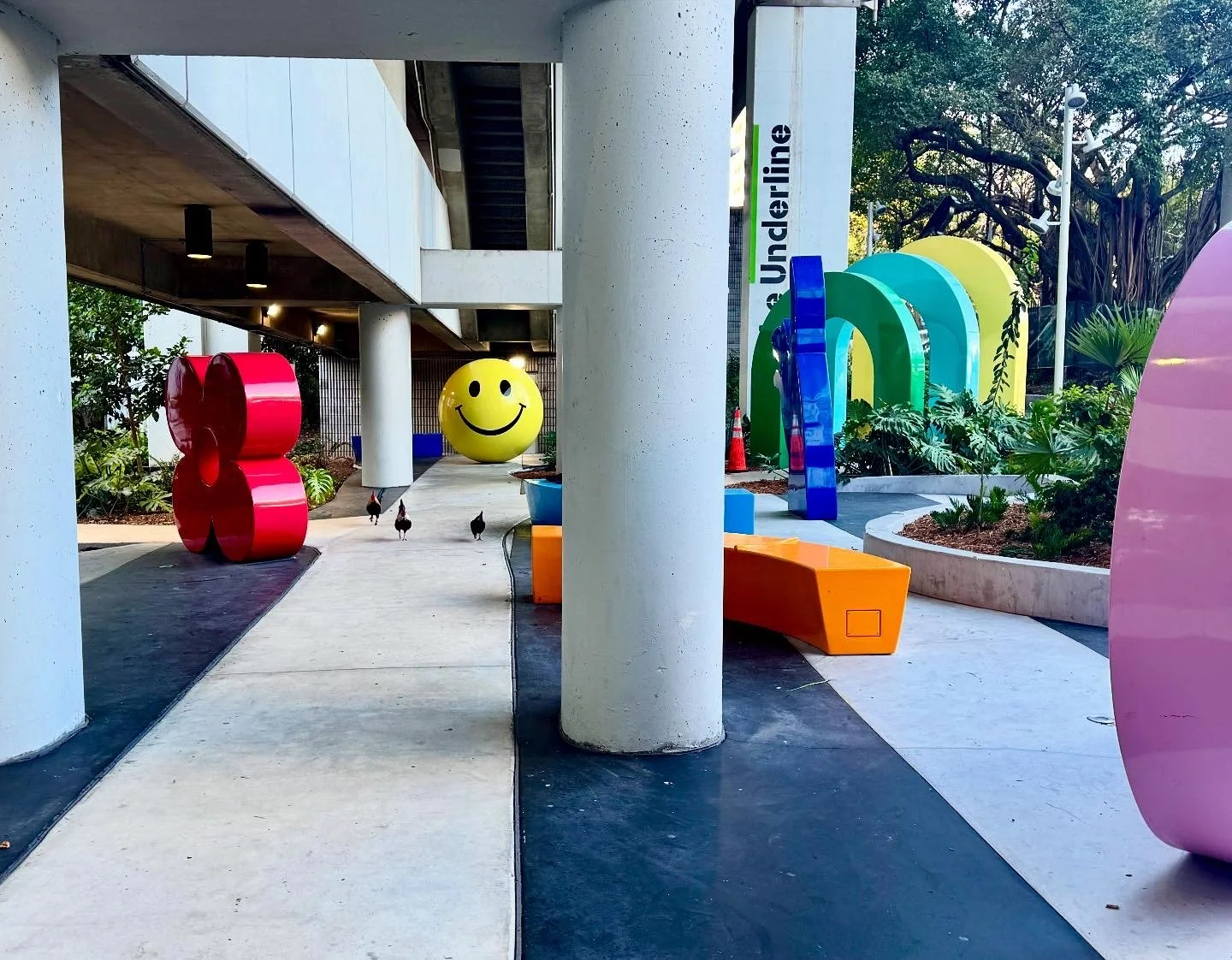
The opening forum was hosted in Miami, Florida and established a foundation for the cohort. Early sessions focused on leadership, equity, and health in the built environment, while neighborhood walking tours grounded those ideas in practice. Miami’s climate pressures, mobility challenges, and uneven access to public space make health impacts visible and immediate. Visits to projects like The Underline highlighted how long-term investment in mobility and public space can reconnect neighborhoods, improve daily access to recreation, and support both physical and mental health. Time spent in Little Havana, Wynwood Norte, and the Arts District underscored how rapid redevelopment, cultural identity, and displacement pressures intersect.
Rather than treating health as an abstract goal, the forum emphasized how conditions such as climate change impacts, street design, access to transit, and affordable housing shape people’s everyday experience. Just as importantly, the opening forum created space for the cohort to spend time getting to know each other and set a collaborative tone for the overall program.

Mid-Year Virtual Forum
The mid-year virtual forum shifted the focus from place to systems. This portion of the program explored how finance, investment, and evaluation frameworks influence long-term health outcomes. These sessions examined the role of institutional capital, Environmental, Social, and Governance (ESG) metrics, and real estate decision-making. Breakout discussions encouraged the group to think critically about how health indicators are defined and measured, and how those definitions affect what ultimately gets built. This forum provided a clearer understanding of how design aspirations intersect with financial and policy realities.
Closing Forum
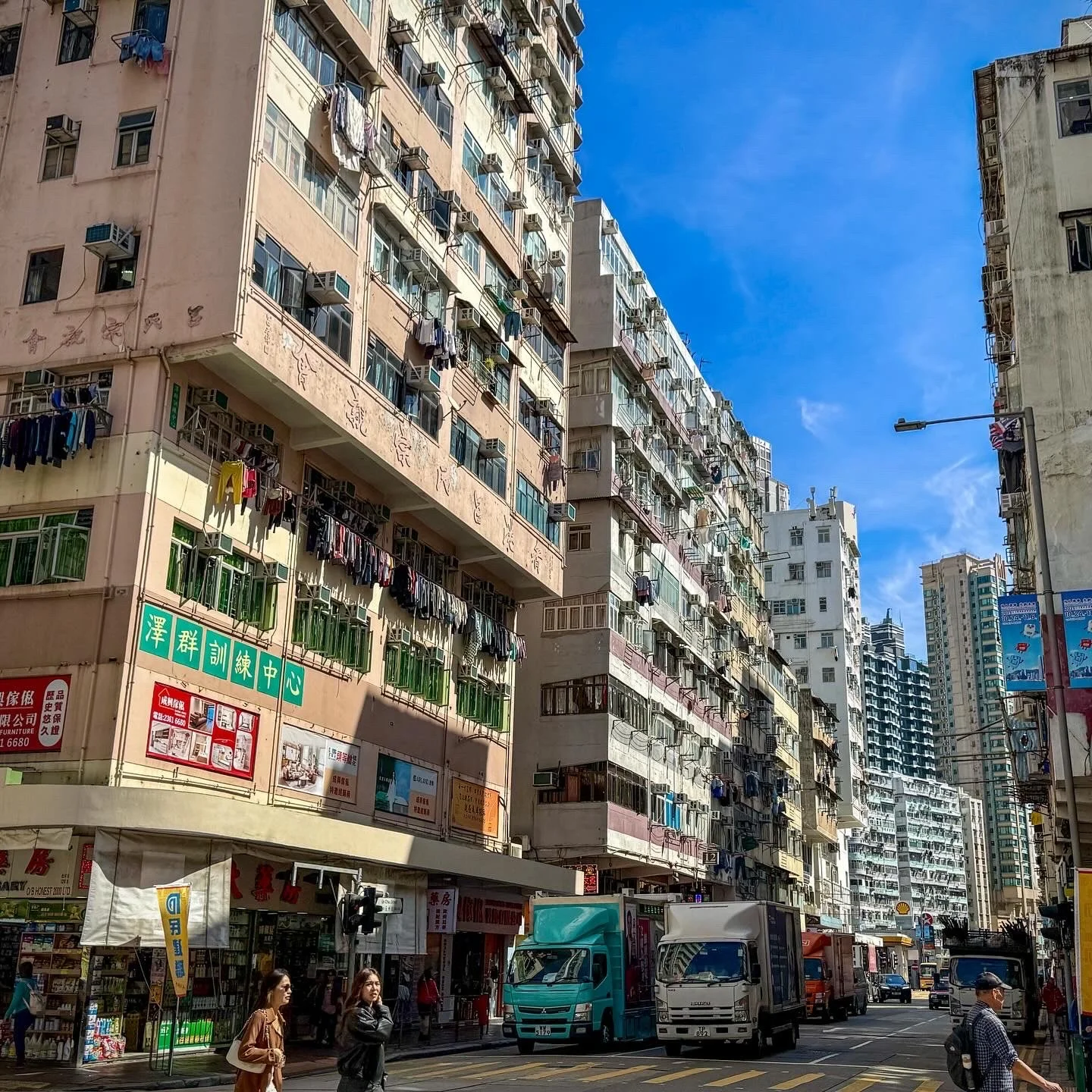
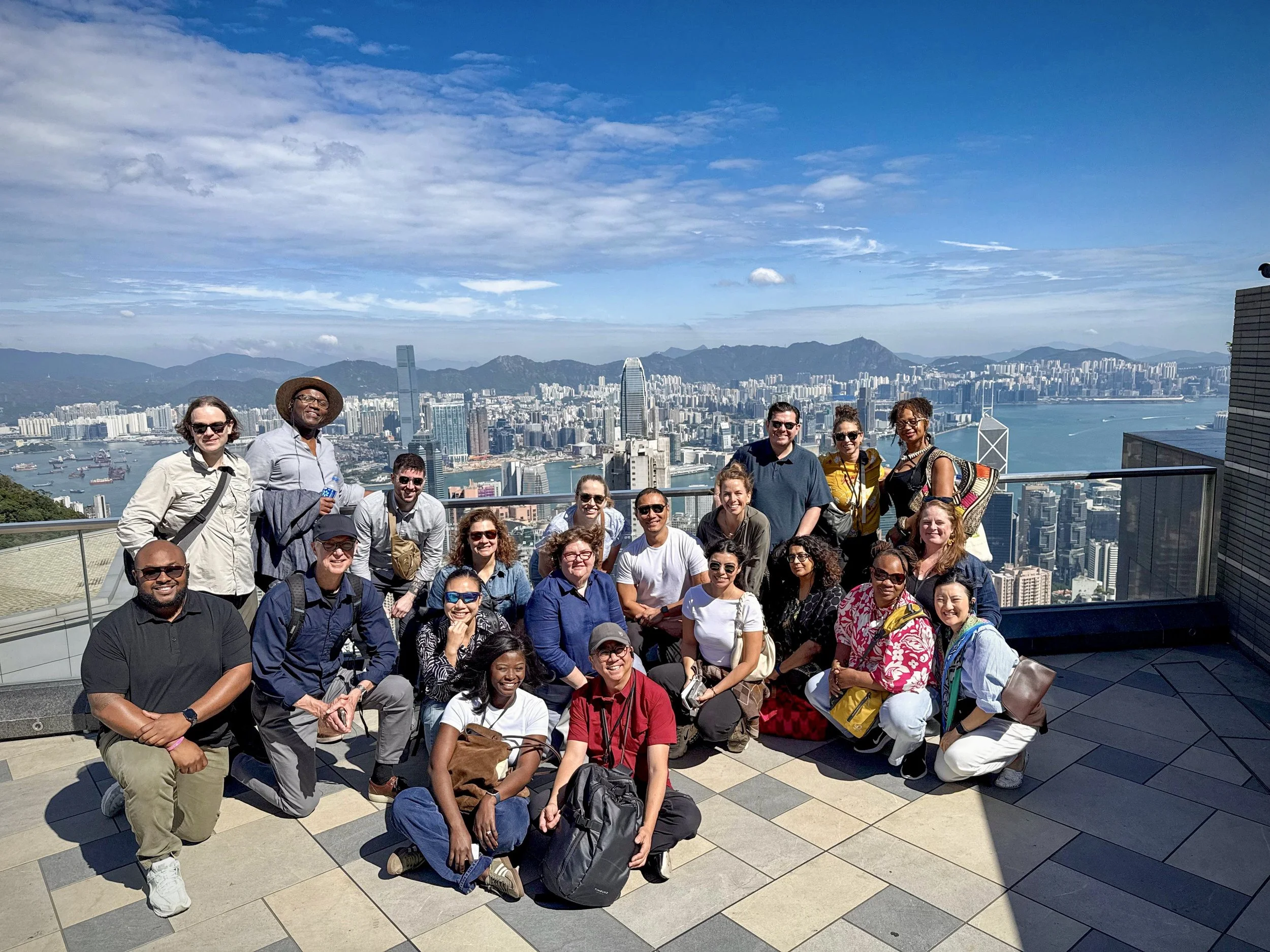
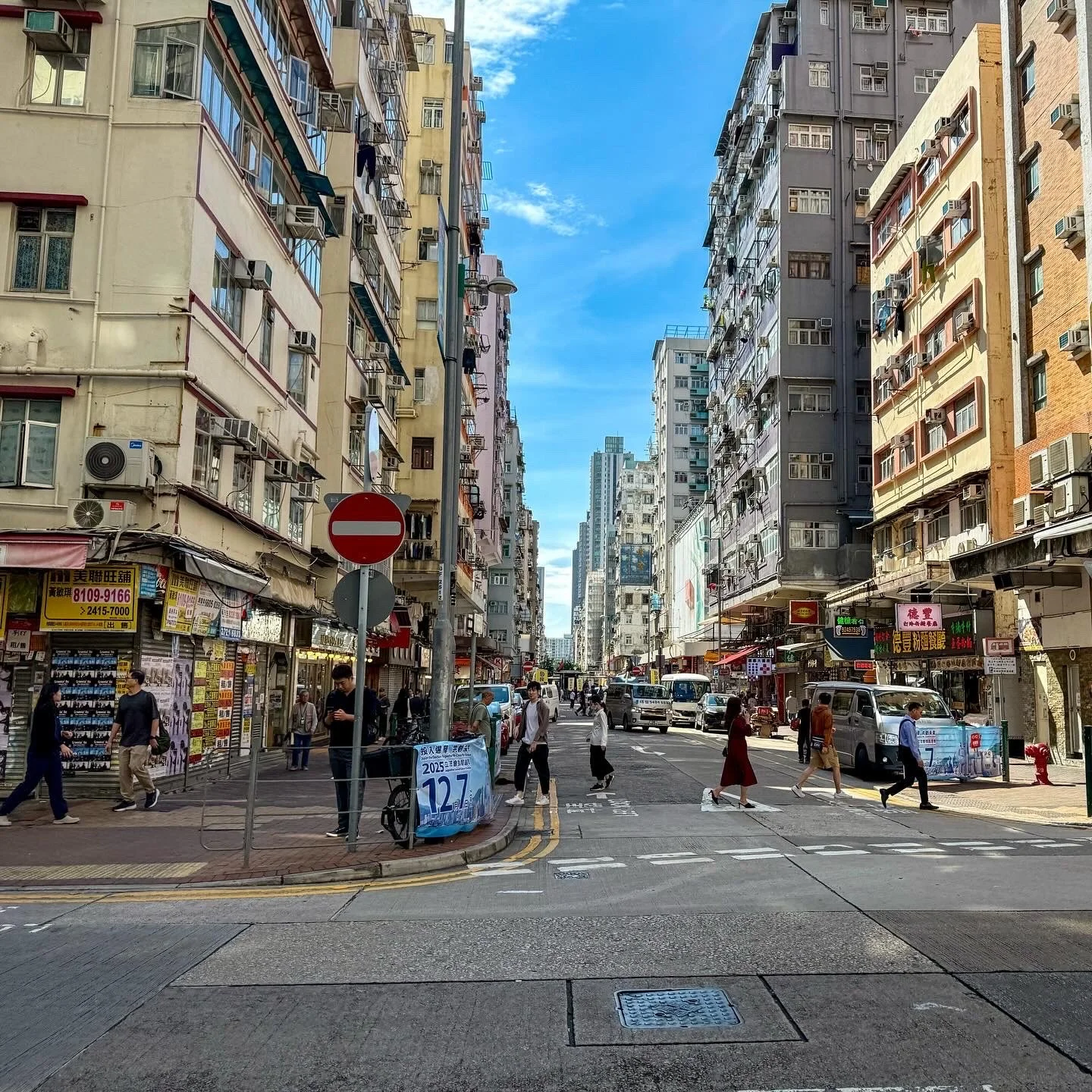
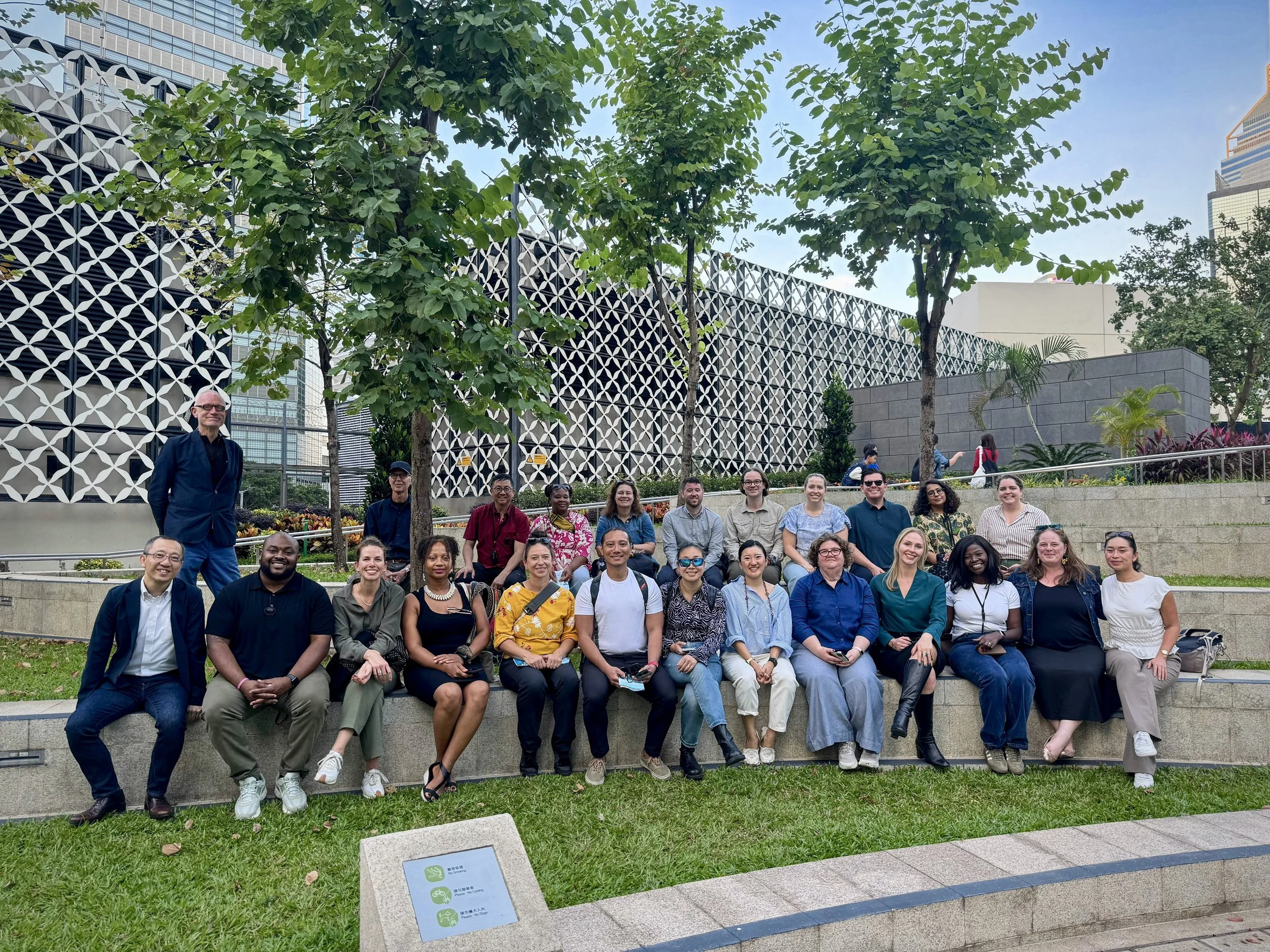
The closing forum took place in Hong Kong and brought the year to a global and integrative conclusion. Experiencing one of the world’s most dense and transit-oriented cities offered a robust counterpoint to many U.S.-based assumptions about urban form, housing, and mobility. The closing forum focused on aging, multi-generational living, and alternative approaches to design thinking in high-density environments. A neighborhood walking tour in Sham Shui Po revealed how public housing, density, and social infrastructure operate as a daily reality for millions of residents, challenging U.S.-centric assumptions about scale, affordability, and efficiency. Visits to The Peak and citywide transit corridors illustrated how topography, transit investment, and land economics shape development patterns and access to public space. At The Quayside, the cohort explored how adaptive reuse, waterfront redevelopment, and transit-oriented development can align climate goals, economic activity, and daily life. Overall, a mix of site visits, transit-based learning, and daily reflection sessions encouraged the group to blend lessons from across the year and consider how different governance models, cultural contexts, and delivery mechanisms shape health outcomes at scale.
Translating Lessons to My Work
As an urban designer whose primary focus is on mixed-use urban districts, the program sharpened how I think about scale and integration. Widespread health outcomes rarely result from a single building or intervention. They emerge from networks of streets, public spaces, land uses, and social infrastructure working together.
Through both local and international examples, the Health Leaders Network consistently emphasized that health in urban districts and neighborhoods is shaped by how systems work together over time. District-scale street networks support daily users and influence who feels comfortable moving through a place and how. Access to public space, community services, and informal gathering places affects social connection and mental well-being. Housing mix, affordability, and proximity to employment shape whether people can remain in a community as their needs and circumstances change.
The program also emphasized that design quality alone is not enough. Health-forward planning efforts require alignment across planning, policy, capital, and operations. That insight has direct relevance to my professional work, where success often depends on coordinating public and private stakeholders, aligning long-term visions with near-term realities, and translating broad goals into incrementally implementable frameworks.
A Broader View of Leadership
and Looking Forward
One of the key aims of the Health Leaders Network, and perhaps the most lasting takeaway, is a reframed understanding of leadership. Health leadership is not about authority or expertise alone. It is about listening, translating, and connecting between disciplines, between data and daily realities, and between vision and implementation.
The individual assignments and peer-to-peer discussions throughout the year consistently pushed us to step outside our professional comfort zones: discussing built environments, observing health conditions through everyday experiences, and evaluating local policies through real impacts on equity and outcomes rather than just intent. These exercises reinforced the importance of humility and communication, especially when working on projects that affect real communities.
One of the most impactful aspects of the Health Leaders Network was the diversity of the cohort itself. Cohort 8 included planners, architects, developers, public health professionals, investors, nonprofit leaders, and policy experts from across the world. The cohort members brought different professional lenses, cultural contexts, and lived experiences into every discussion.
Equally inspiring (and humbling) was the enthusiasm and impact of the cohort members. Many participants were working within challenging institutional contexts, large organizations, constrained policy environments, education, or their own start-up organizations. The cohort’s collective passion and diverse set of experiences reinforced the idea that leadership in this space is about persistence, collaboration, and values-driven decision-making.
Participating in the ULI Health Leaders Network was both affirming and challenging. It affirmed many of the instincts that guide my work in urban design, while also expanding my understanding of the systems that shape health outcomes outside the scope of design work. Just as importantly, the relationships built through the cohort will extend well beyond the program year. The diversity, passion, and generosity of the participants made this experience as much about building relationships as it did curriculum.
As cities and neighborhoods continue to grow and evolve, the questions explored through the Health Leaders Network about equity, resilience, and well-being will only become more urgent. I’m grateful to carry these lessons forward into my work, and to remain connected to a network of professionals committed to shaping healthier places, together.
Click here to learn more about the ULI Health Leaders Network.
You can read more about What Hong Kong Teaches Cities About Building Healthy Density in Urban Land.
Tyler Clark is an urban designer with experience supporting both public and private sector clients on district-scale planning and design efforts, from early visioning through implementation. With a passion for shaping inclusive and sustainable urban environments, his goal for every planning and design process is to utilize a holistic and analytical approach to collaborating in the visioning of functional and vibrant urban districts, neighborhoods, and public spaces. Tyler's experience is focused on mixed-use urban districts, campus planning, urban design framework planning, and development capacity studies. His work combines strong leadership, project experience, and clear graphic communication to support informed decision-making and coordinated implementation.