Cincinnati Open Cincinnati, Ohio
Services Provided
Master Planning
Landscape Architecture
Documentation
People Involved
Andy Knight
Kevin Dicke
Nathan Young
Jordan Furlong
Creating a park-like experience at an international sports venue
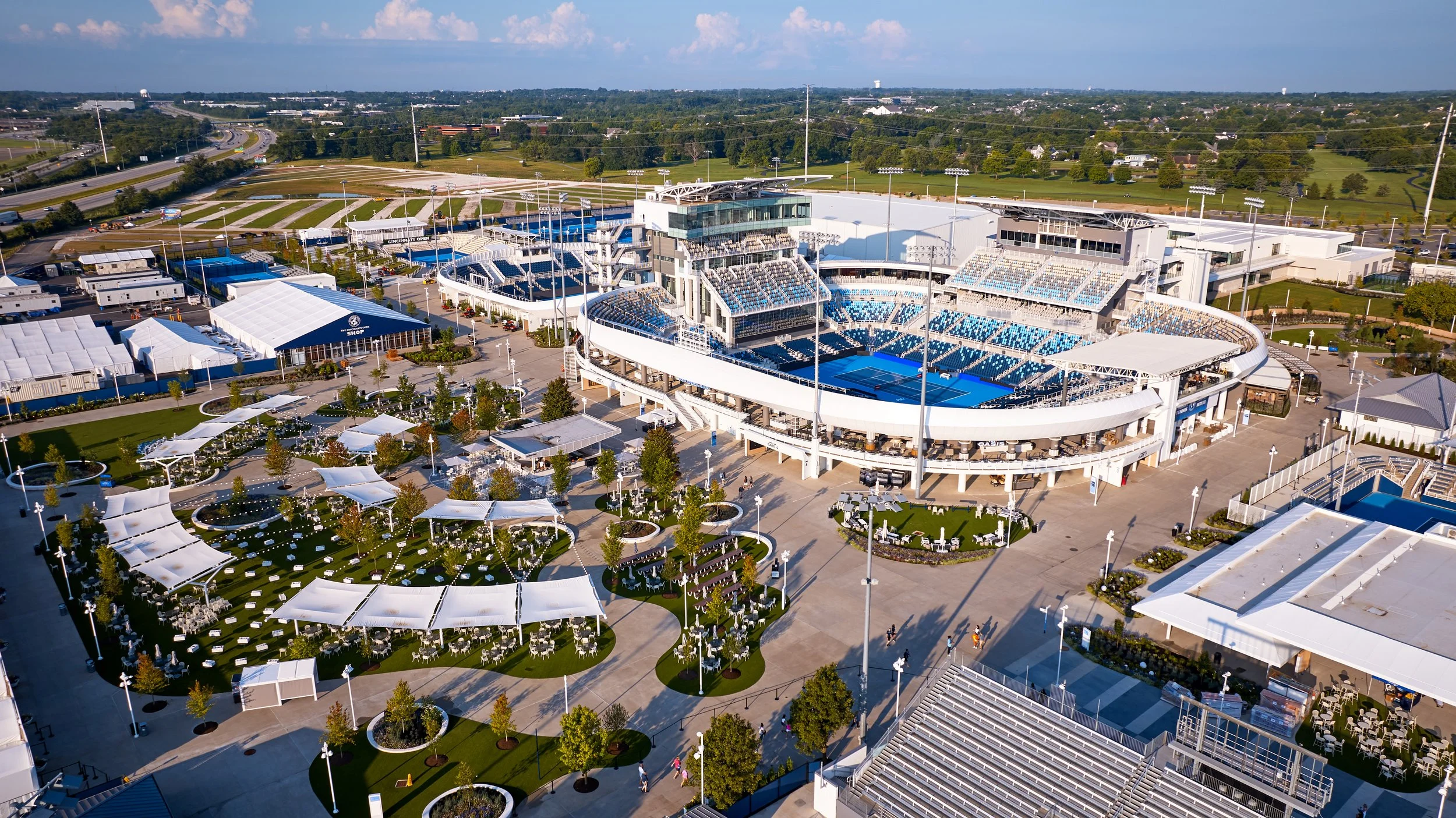
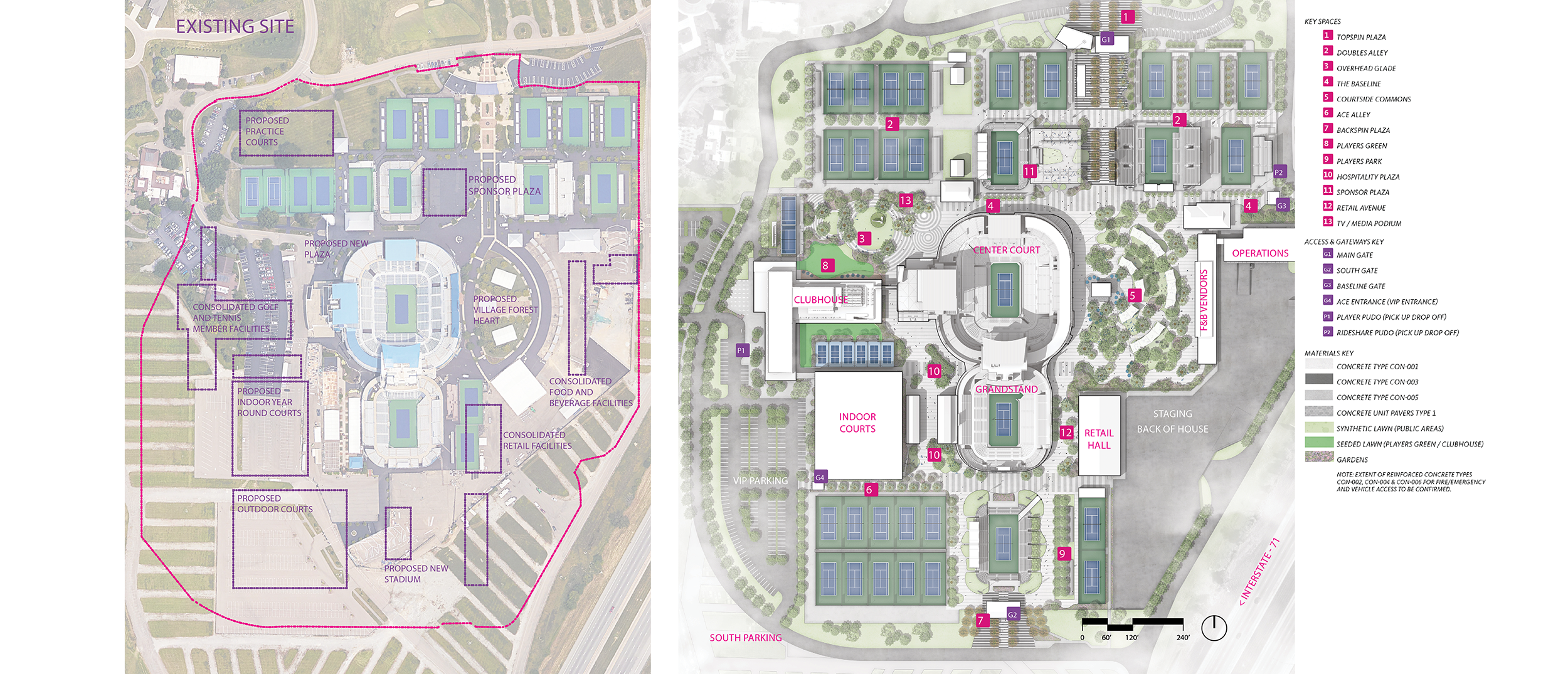
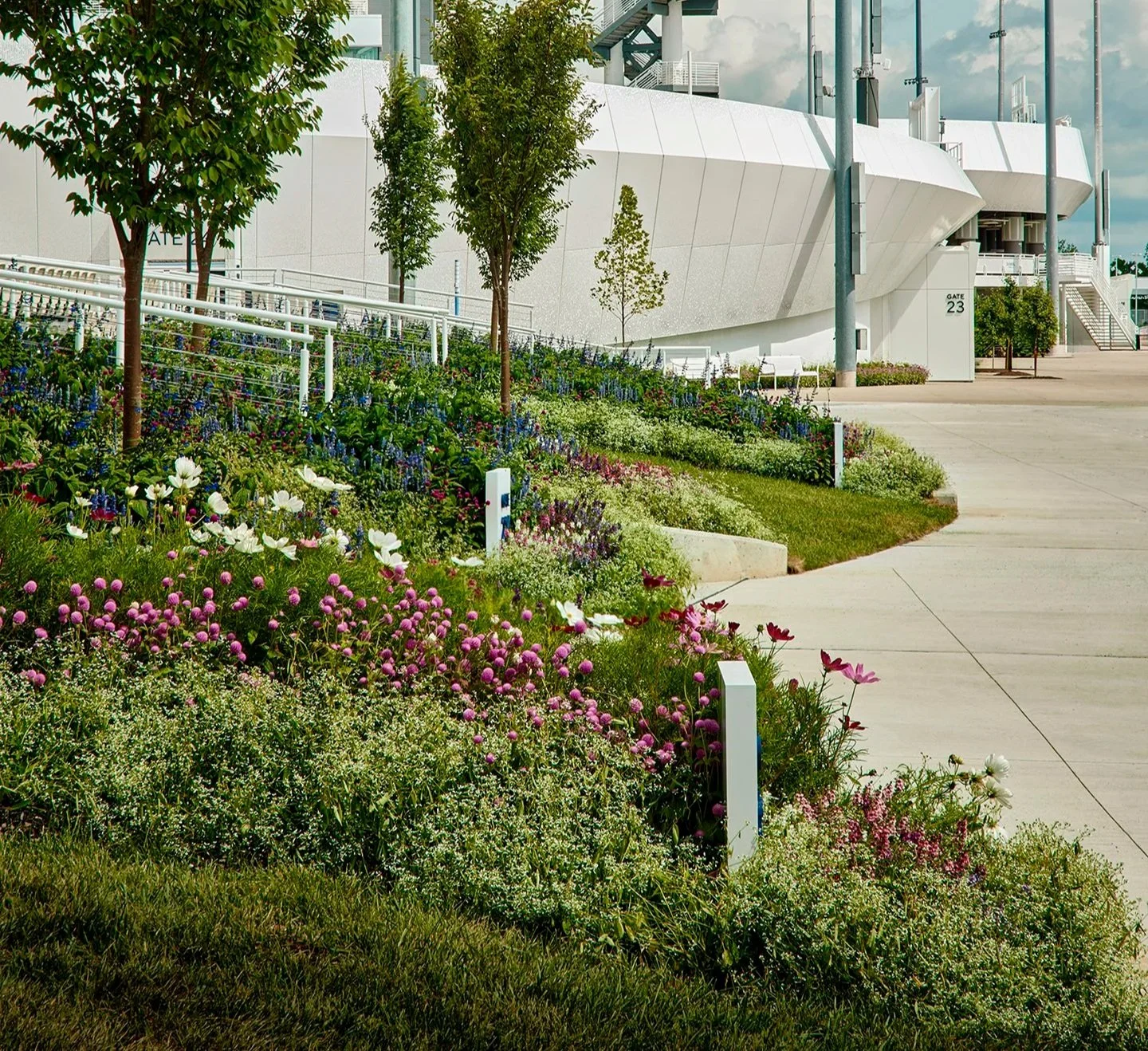
As the oldest tennis tournament in the nation still played in its original city, the Cincinnati Open—formerly known as the Western & Southern Open—is investing nearly $260 million in campus-wide improvements to elevate the overall fan experience. While the previous tournament operators programmed and activated the campus with food, beverage, and merchandise vendors, the majority of the existing campus landscape was composed of heat-absorbing impervious asphalt with minimal plantings. Occurring between the 2024 and 2025 tournament events, the re-envisioned fan experience included significant upgrades to the stadiums and seating experience as well as substantial improvements to the existing landscape and new outdoor spaces. Working closely with a multi-disciplinary design team led by Gensler, MKSK served as Site Planner and Landscape Architect to re-envision the entire campus, expanding the fan experience beyond the tennis stadiums.
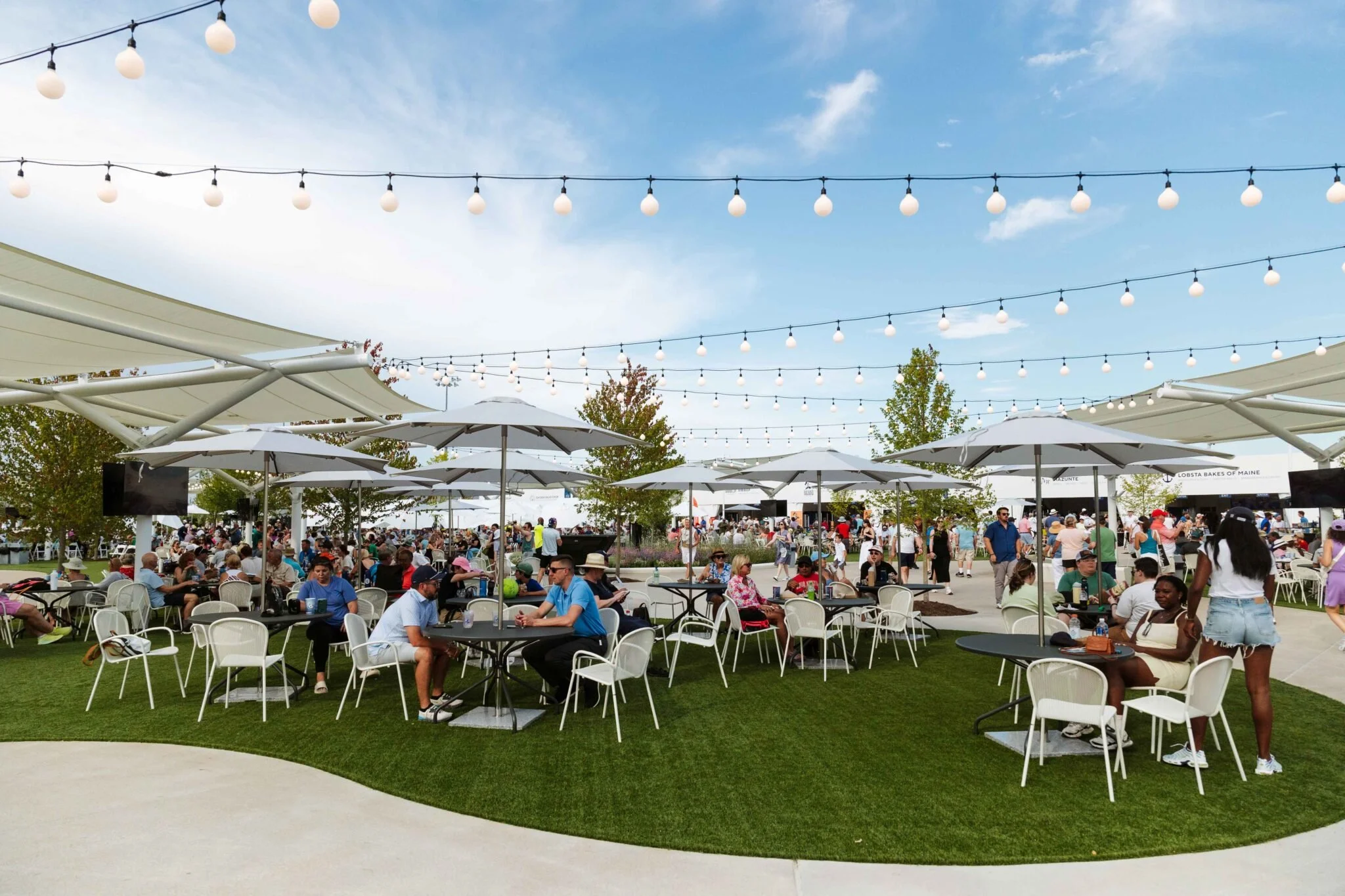
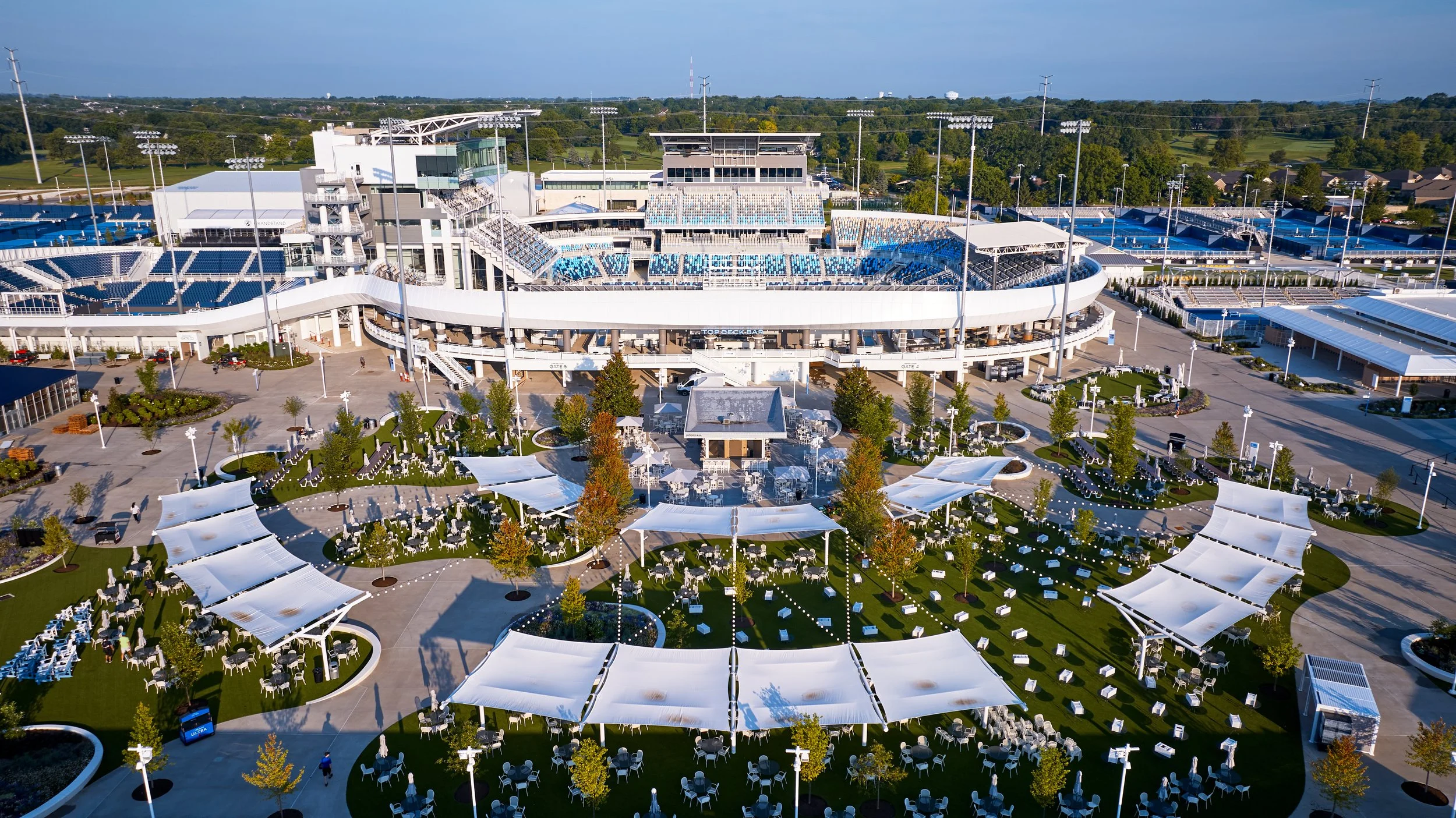
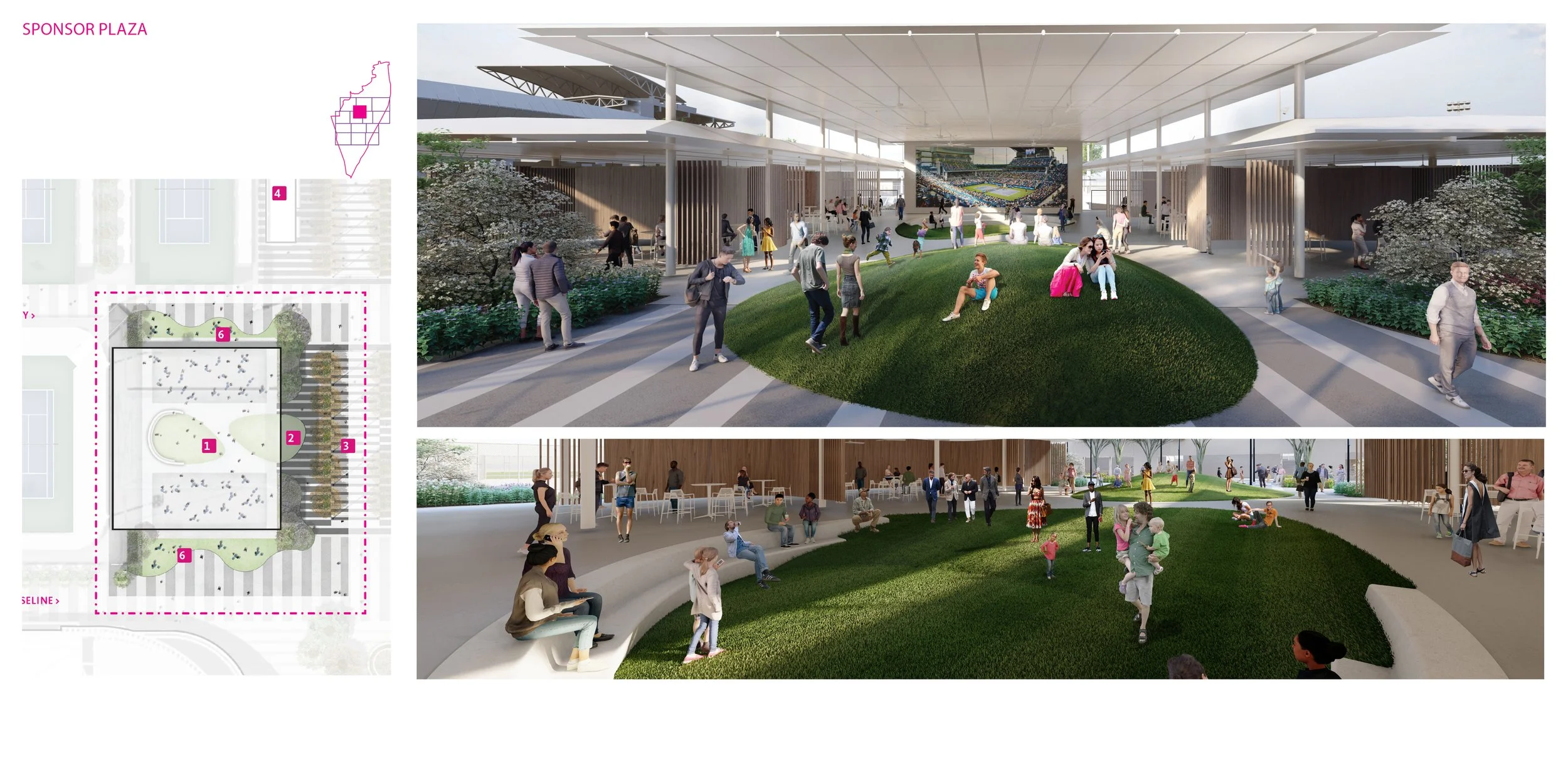
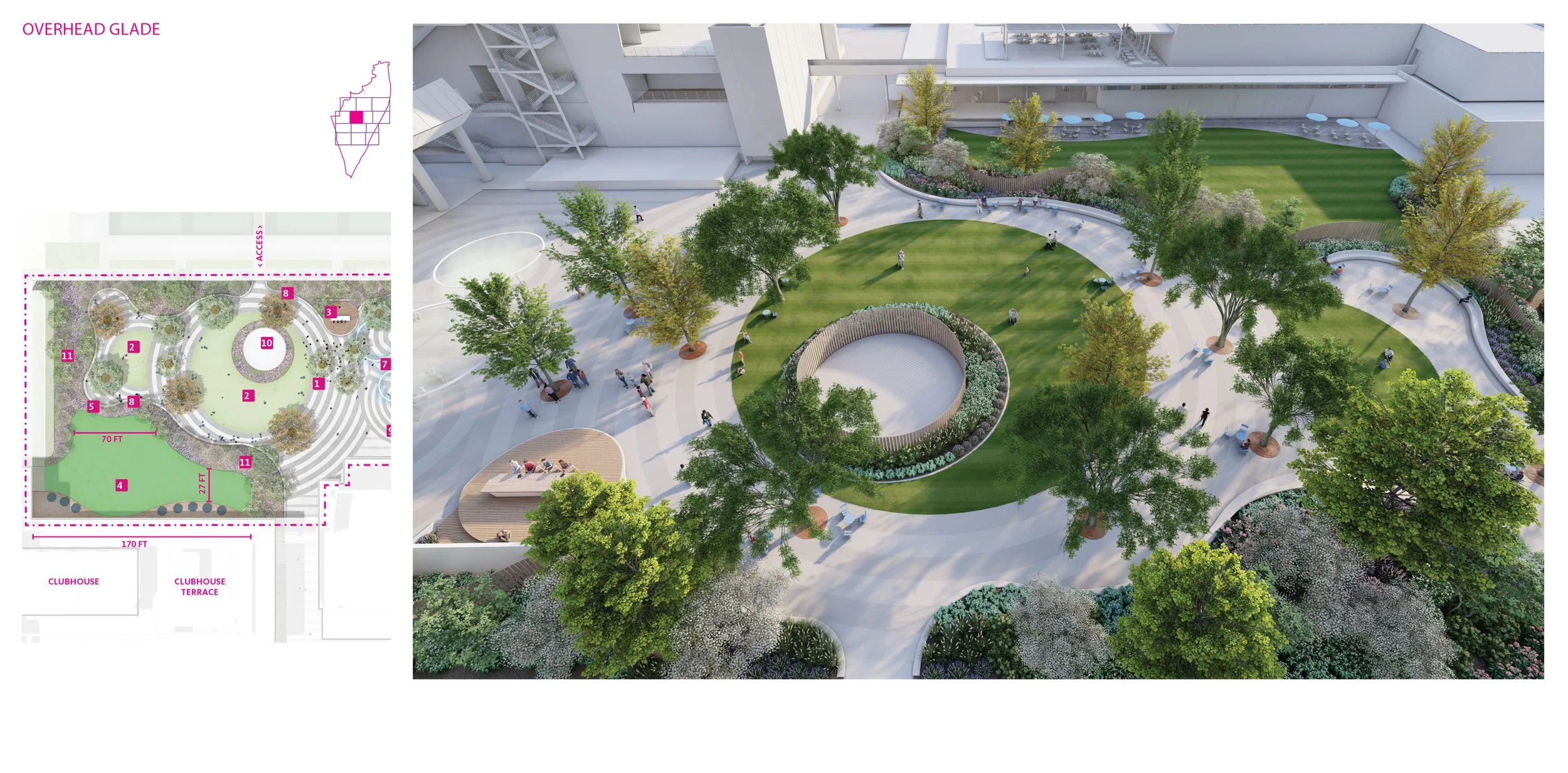
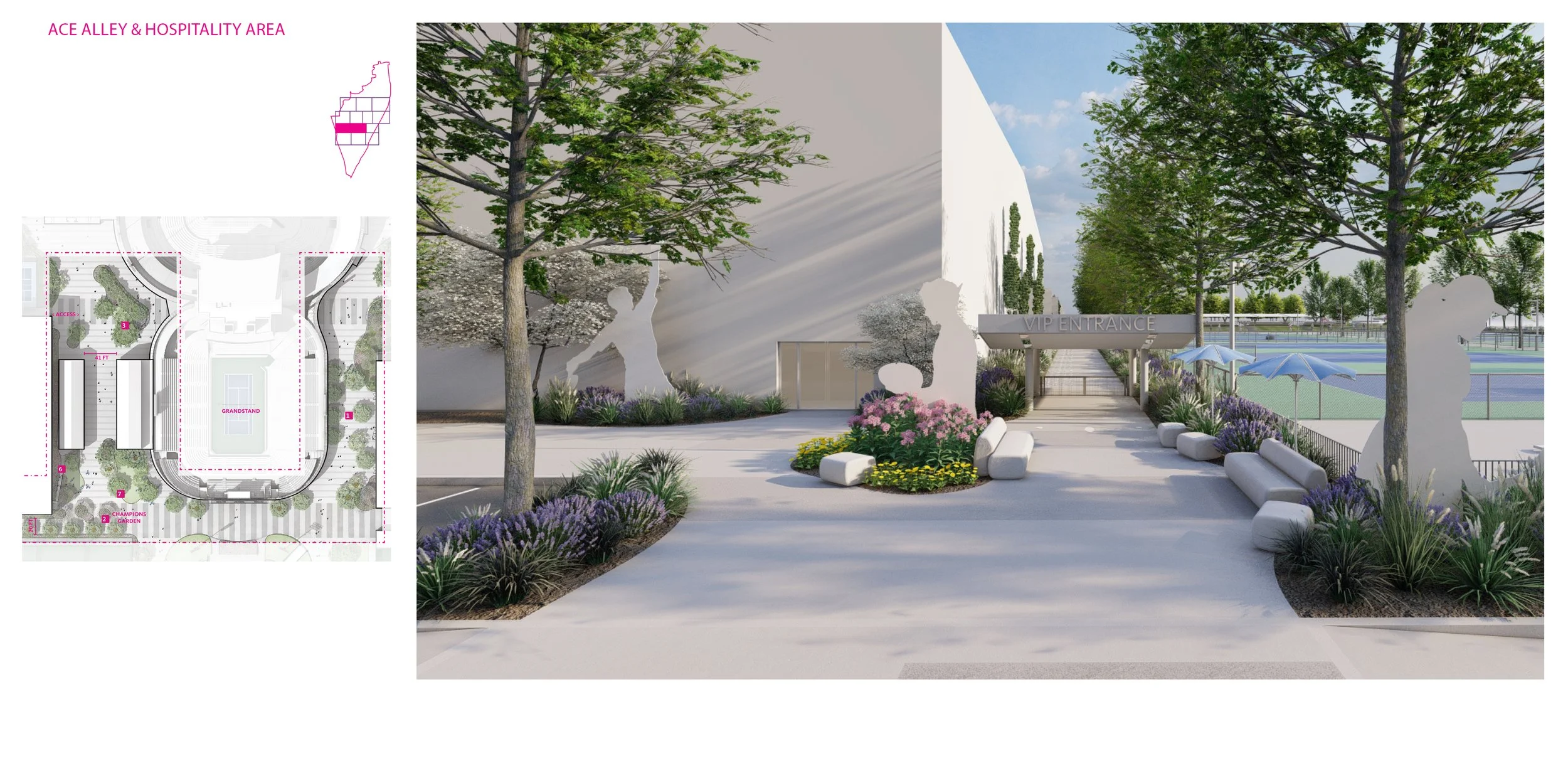
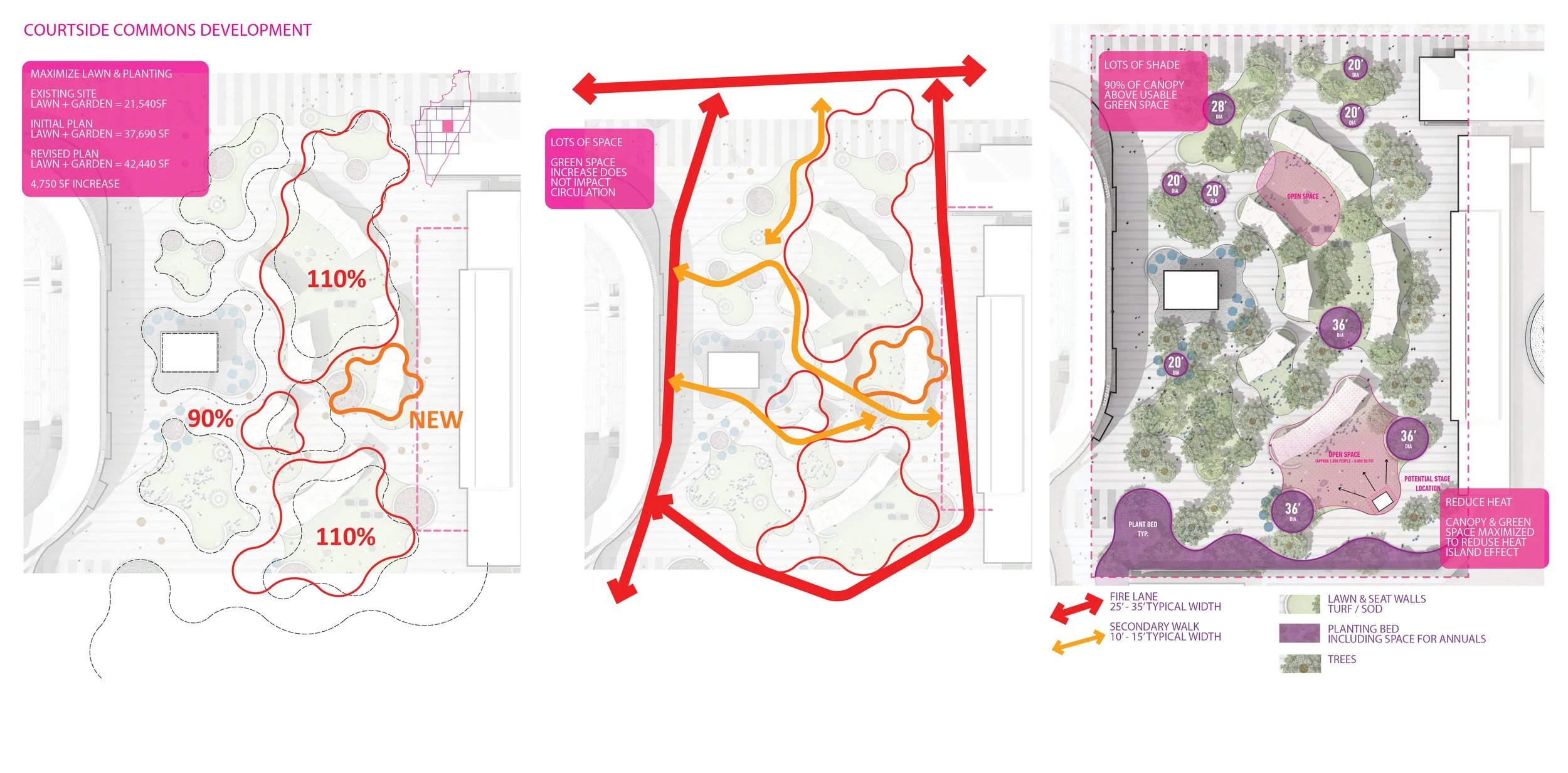
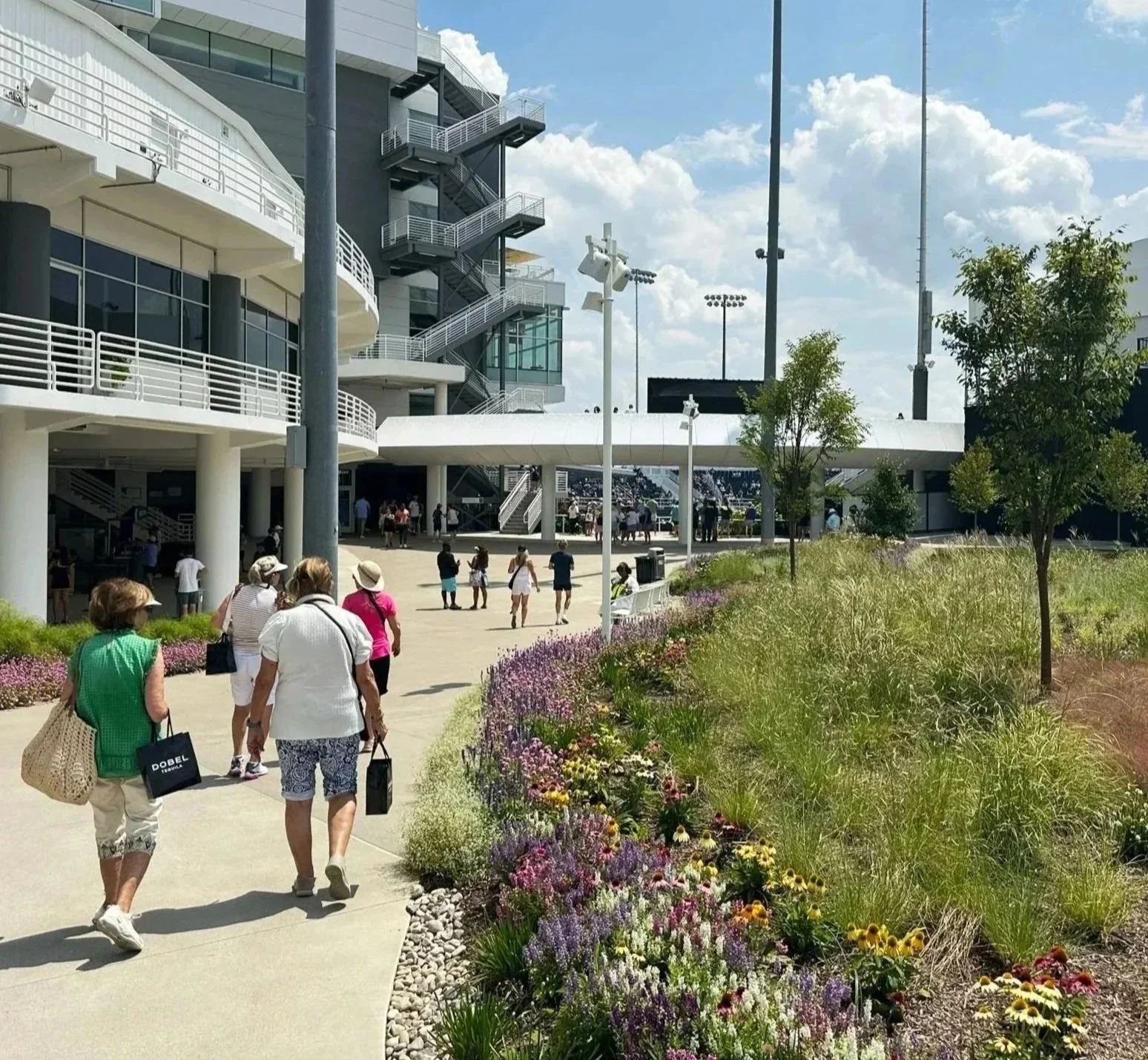
Embracing the desire by the client to provide a “tennis experience in the park,” the design team responded by designing an organic network of green spaces and pathways inspired by Cincinnati’s popular parks and gardens like historic Eden Park and Mt. Adams near downtown. The landscape approach increased the overall green footprint throughout the campus from roughly 21,000 square feet to nearly 38,000 square feet, more than doubling the tree canopy and planting areas promoting a park-like experience.
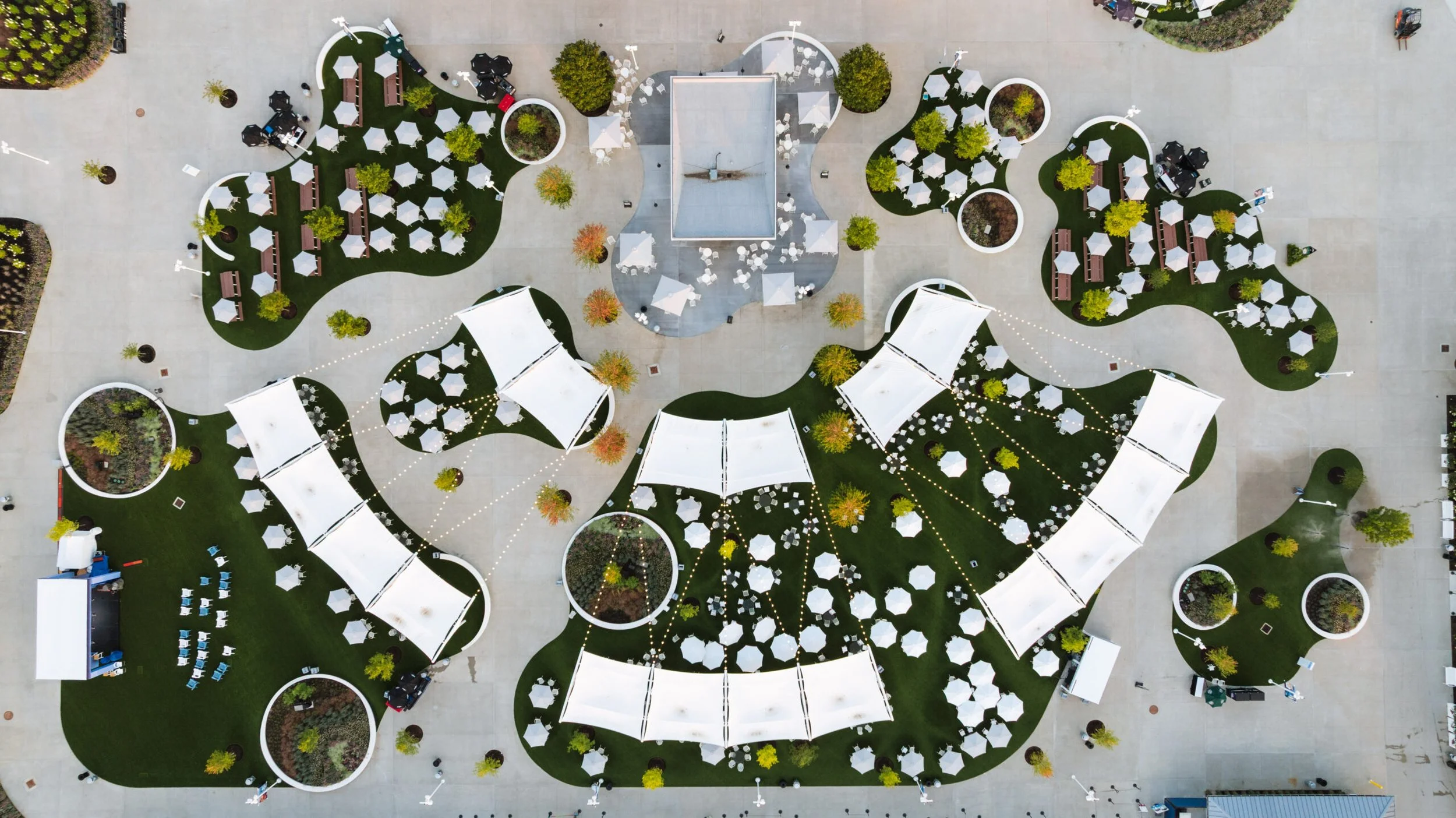
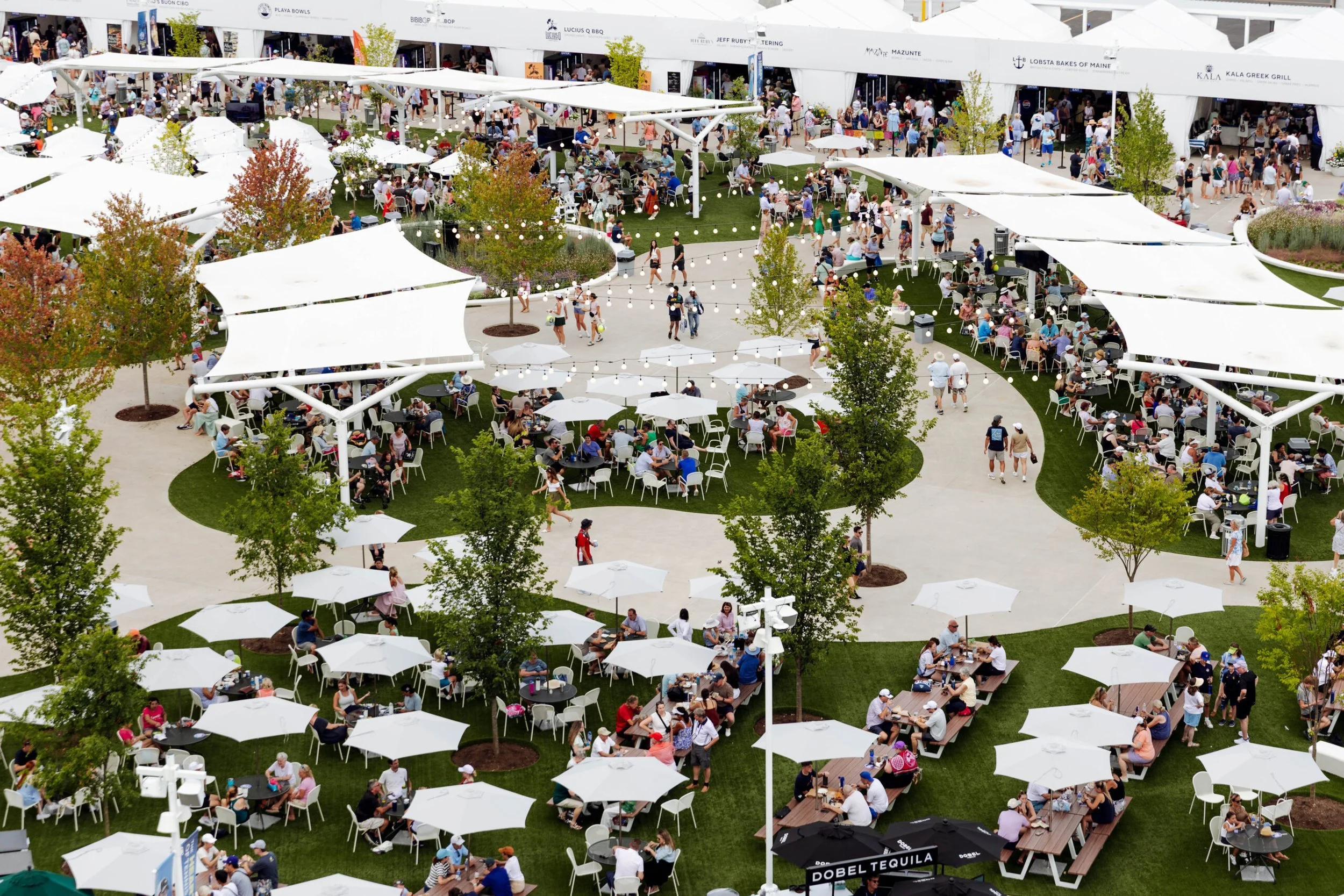
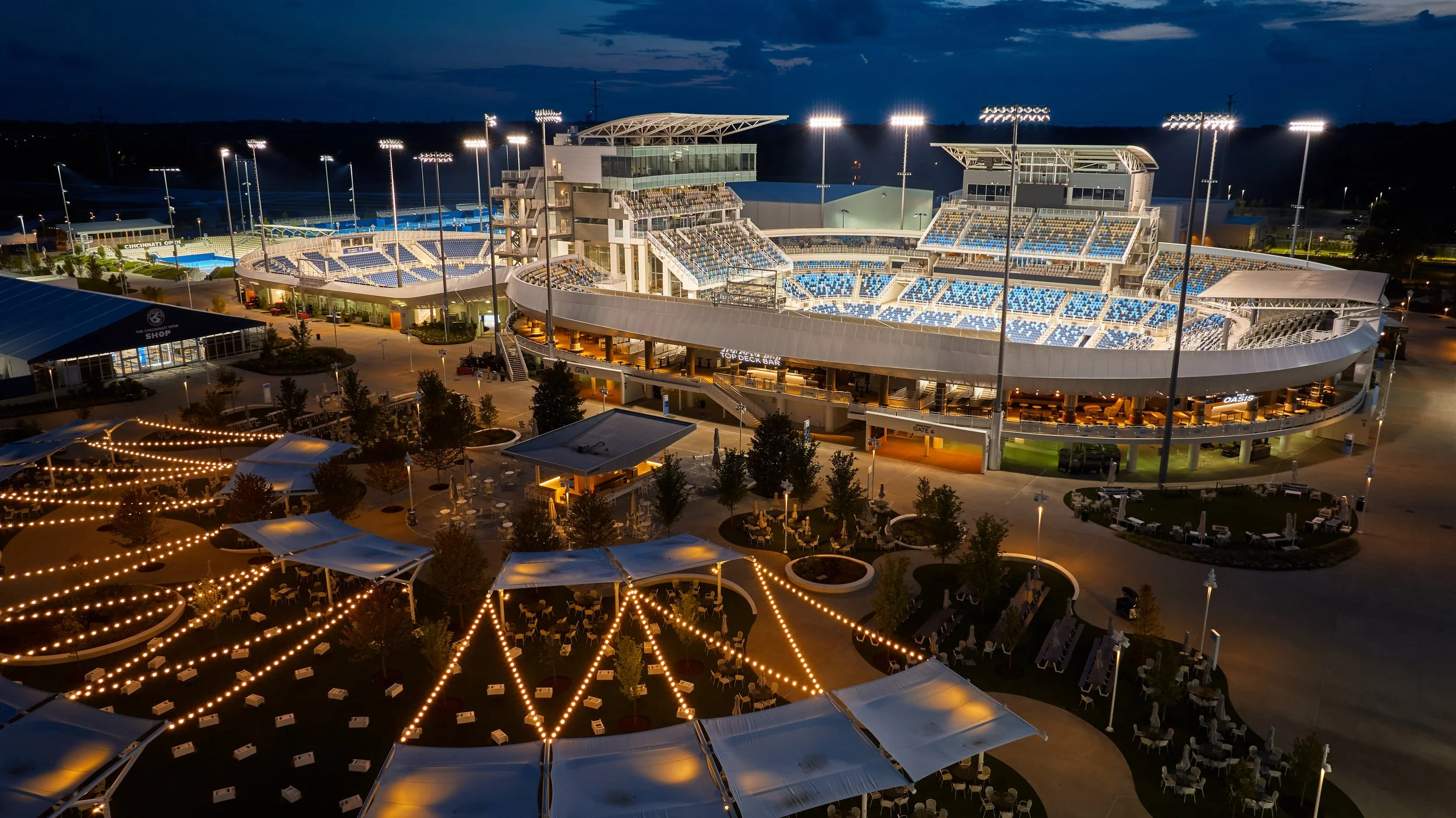
The re-envisioned F&B Plaza incorporates a collection of organically shaped green pods nestled among winding pathways and niche spaces that offer every fan and visitor the opportunity to relax, gather, and enjoy live entertainment and player interviews within the gardens.
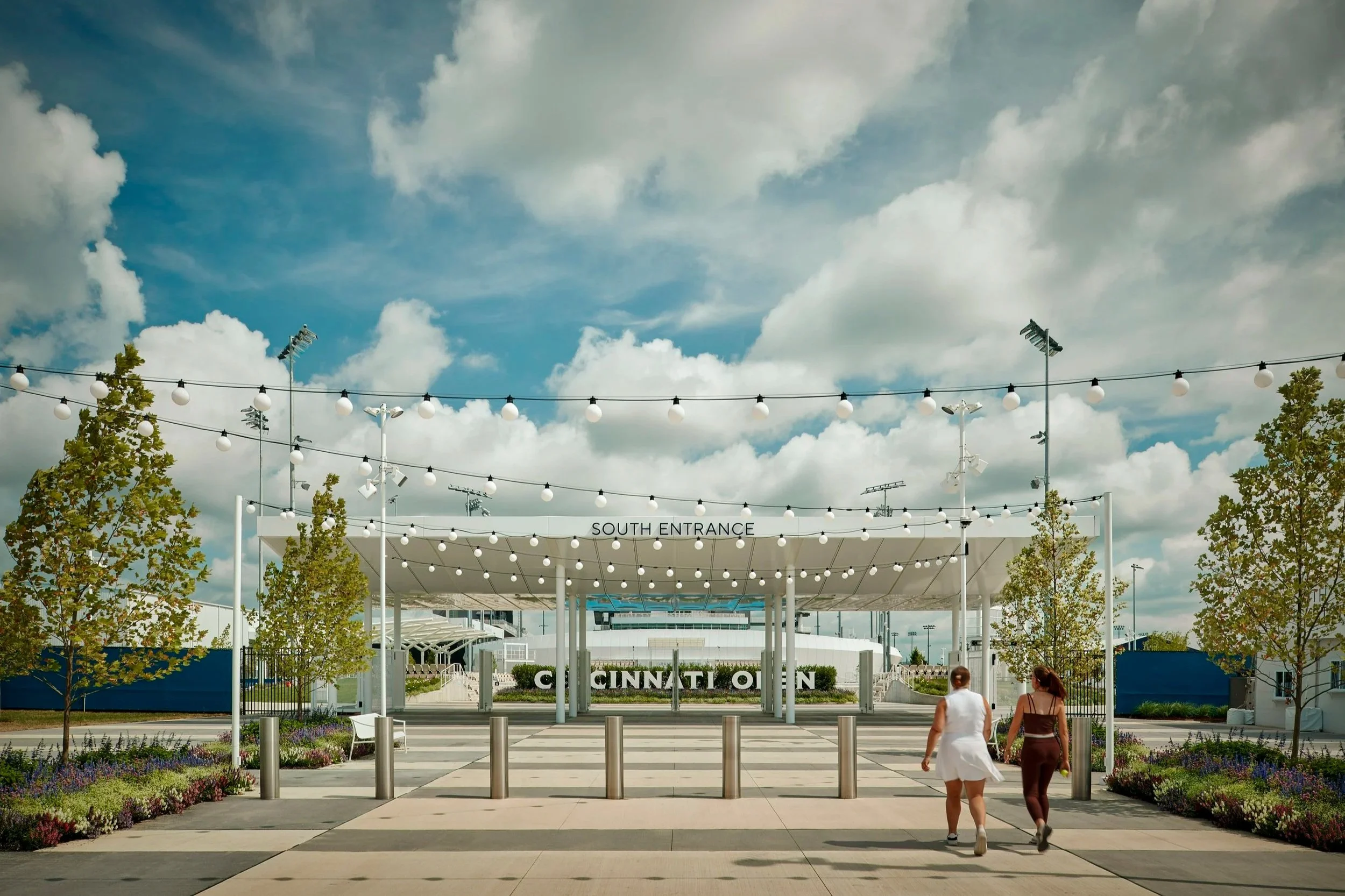
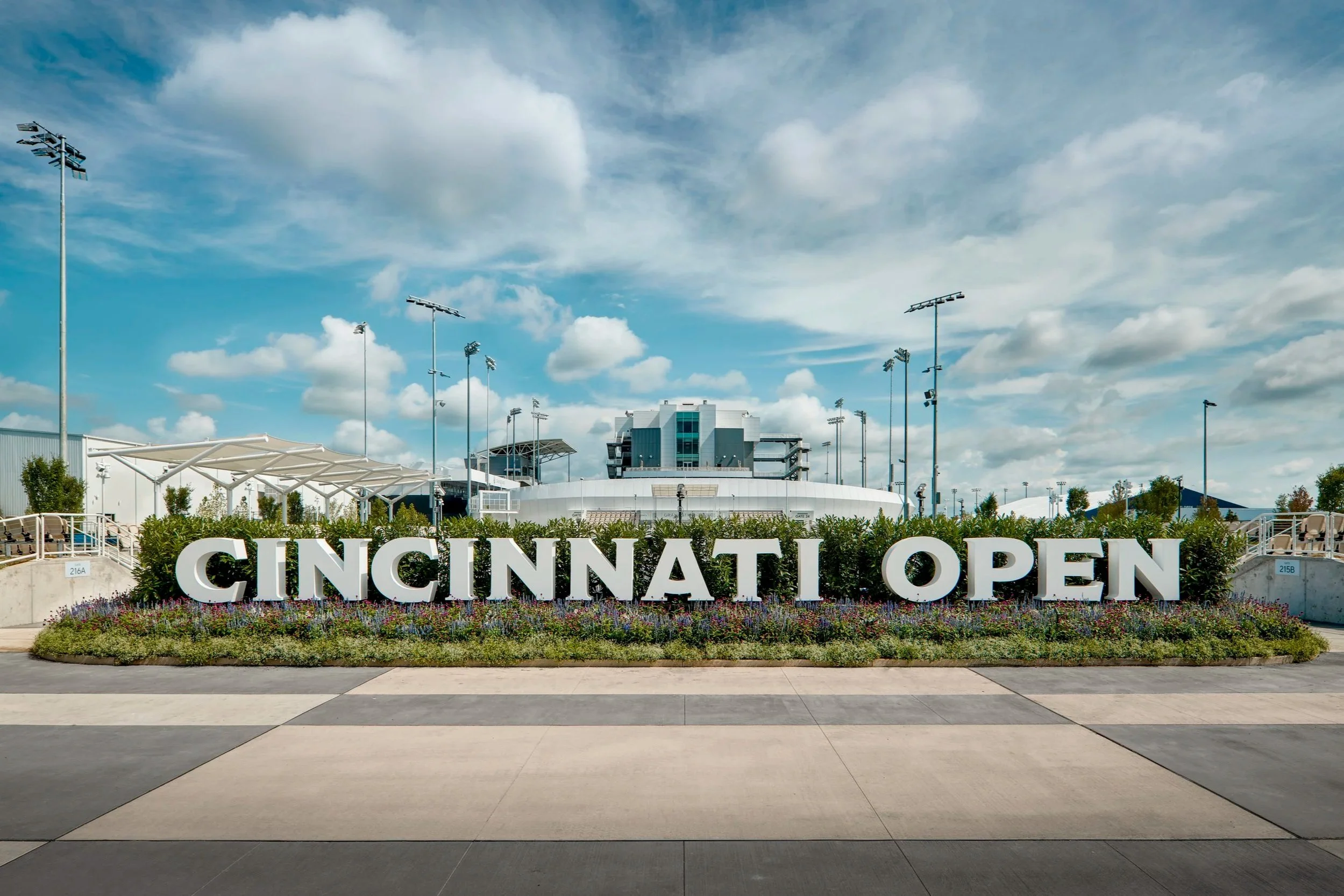
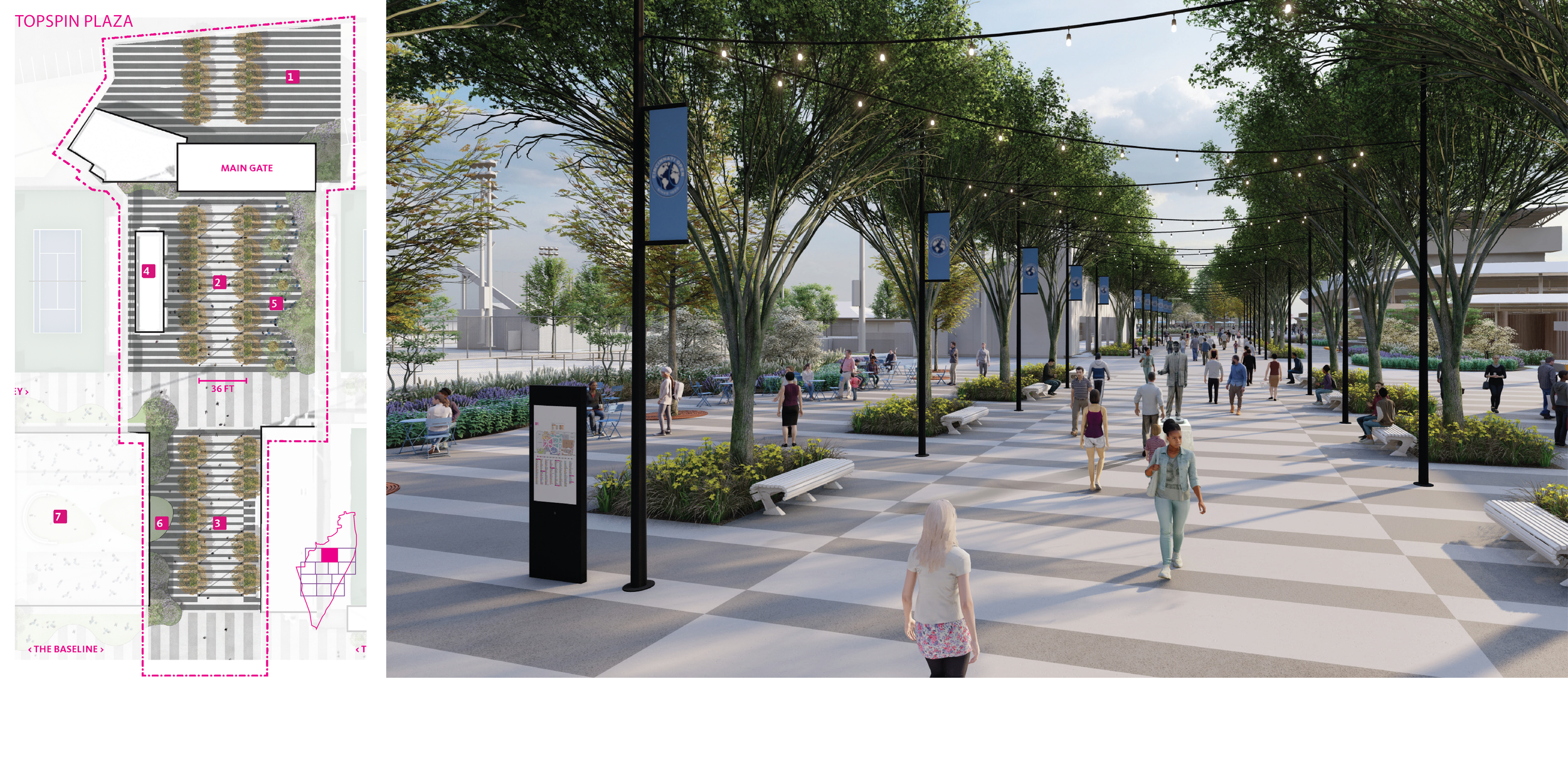
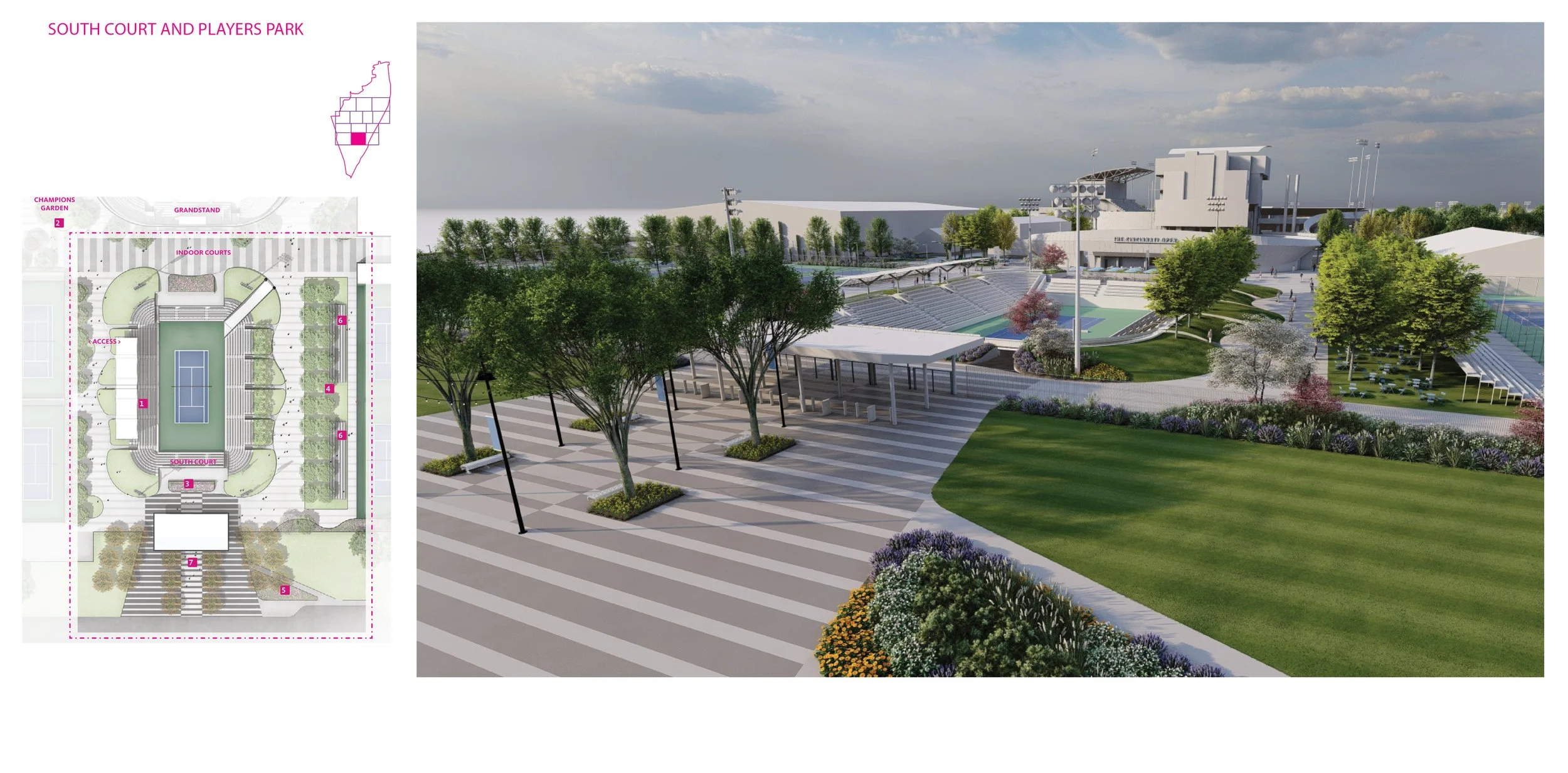
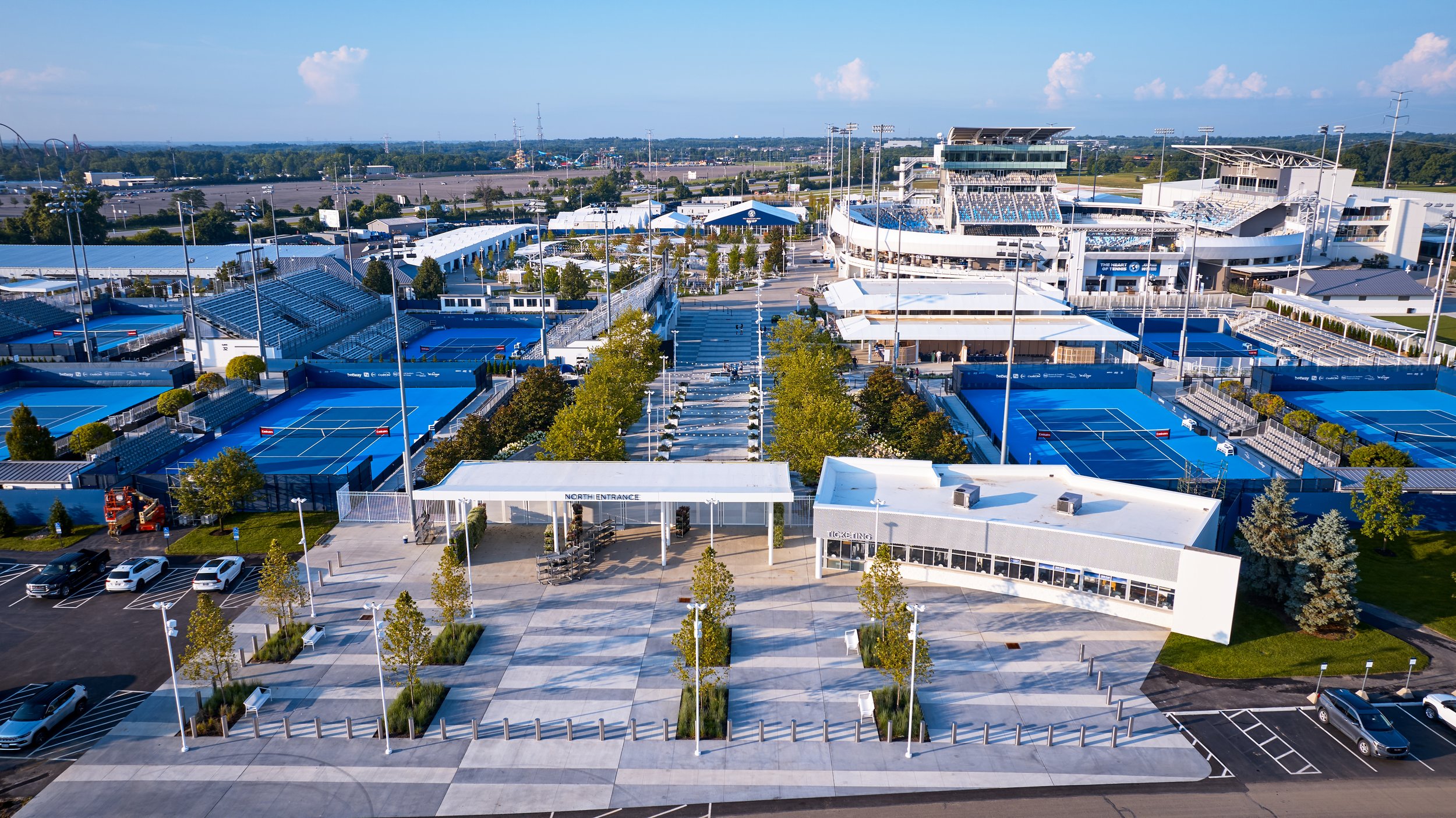
The entry sequence provides a welcoming and dynamic linear plaza–“Topspin Plaza”–that greets fans and visitors into the campus and serves as the primary concourse with upgraded signage and wayfinding strategies, a tree-lined allee with areas for seating and gathering, and several fan-experience elements. The overall master plan also seamlessly integrates the addition of a new 2,000-seat sunken stadium court located at the southern end of the campus, surrounded by new landscape plantings and tree canopy adjacent to the south entry gate plaza– “Backspin Plaza”–incorporating similar design language as Topspin Plaza to the north.
The renovation offered an opportunity to position the Cincinnati Open as a premier global tennis event.
—Sports Illustrated